Scandinavian fashion has long been associated with clean lines, neutral colours and effortless simplicity. But at Copenhagen Fashion Week, that familiar image is starting to look a little different.
The Scandi minimalist aesthetic is still very much part of Copenhagen's fashion identity, with designers continuing to embrace understated tailoring, practical silhouettes and timeless wardrobe staples. At the same time, the Spring 2027 collections showed that Scandinavian style is no longer confined to quiet, pared-back dressing.
Alongside the minimalist looks came bold colours, playful prints, embellishments and exaggerated silhouettes, highlighting a growing appetite for individuality in Danish fashion.
What Is Scandi Minimalism?
At its core, Scandi minimalism is a fashion approach built around simplicity and functionality. Think crisp cotton shirts, tailored trousers, understated outerwear and a restrained colour palette of black, white, beige, cream and grey.
The aesthetic is often associated with clothing that feels polished without appearing overly styled. Rather than relying on logos, excessive embellishment or dramatic details, Scandi minimalist fashion focuses on good cuts, quality-looking fabrics and versatile pieces that can be worn season after season.
It is an approach that reflects the wider Scandinavian design philosophy, where practicality and aesthetics tend to work hand in hand.
At Copenhagen Fashion Week, this translated into collections filled with wardrobe staples that felt both modern and wearable.
Copenhagen's Minimalist Side
Several designers showcased the more traditional side of Scandinavian fashion during the Spring 2027 season.
Freya Dalsjø opened the week with a collection centred around uncomplicated wardrobe essentials. Oversized cotton shirts were paired with matching pull-on trousers, while draped wool outerwear appeared in soft beige tones. Cream silk tank dresses and sculptural pieces in heather grey further demonstrated the appeal of understated dressing.
Other collections continued with a similarly restrained approach.
The Garment revisited familiar pieces including trench coats, slip dresses and tailored separates, while Almada Label presented streamlined silk opera coats in black and cream alongside clean-cut leather jackets. MKDT and By Malene Birger also leaned into neutral shades and uncomplicated silhouettes.
The result was fashion designed to work with the wearer rather than overpower them. This is where the appeal of Scandi minimalist style lies. These are clothes that can easily move between occasions and seasons, making the aesthetic particularly attractive to shoppers looking for a more considered wardrobe.
But Scandinavian Fashion Is Getting Bolder
While minimalism remains an important part of Copenhagen style, the Spring 2027 runways also demonstrated another side of Scandinavian fashion.
This season, designers embraced a more expressive approach, proving that being Scandinavian does not necessarily mean dressing in muted colours or keeping things understated.
Opera Sport opened Copenhagen Fashion Week with an energetic mix of colour, texture and statement pieces. Its collection included draped two-piece sets, capris styled with hip sashes and embellished sheer blouses. Materials ranged from butter-yellow lace to fringed silk, adding plenty of movement and personality.
Studio Constance took the idea of volume even further with panniers extending dramatically from the body, while Nicklas Skovgaard offered playful interpretations of 1950s housewife dressing.
The mood was a clear departure from the conventional idea of restrained Scandinavian fashion.
The Rise of Scandi Maximalism
This more expressive aesthetic could be described as Scandi maximalism — the colourful, playful counterpart to minimalist Scandinavian dressing.
Instead of sticking to neutral basics, Scandi maximalism embraces bold prints, bright colours, unusual proportions and eye-catching details. The emphasis is less on creating a perfectly pared-back wardrobe and more on using clothes to express personality.
Stine Goya and Marimekko offered particularly wearable interpretations of this idea, incorporating colourful floral prints into silhouettes that remained relatively easy to style.
Elsewhere, Mr. Larkin leaned into a more feminine and bohemian mood, using unexpected layers and embellishments to create looks that demanded attention. Rhinestone details and sequins added movement and even sound to the collection as models walked the runway.
It was fashion that celebrated individuality rather than uniformity.
Why Copenhagen Style Is Changing
The contrast between minimalism and maximalism was particularly noticeable at Copenhagen Fashion Week because the event has developed a distinct identity.
Unlike fashion capitals dominated by historic luxury houses, Copenhagen's fashion scene is populated by younger brands that need to respond closely to changing consumer tastes. That makes the city an interesting place to watch emerging fashion trends.
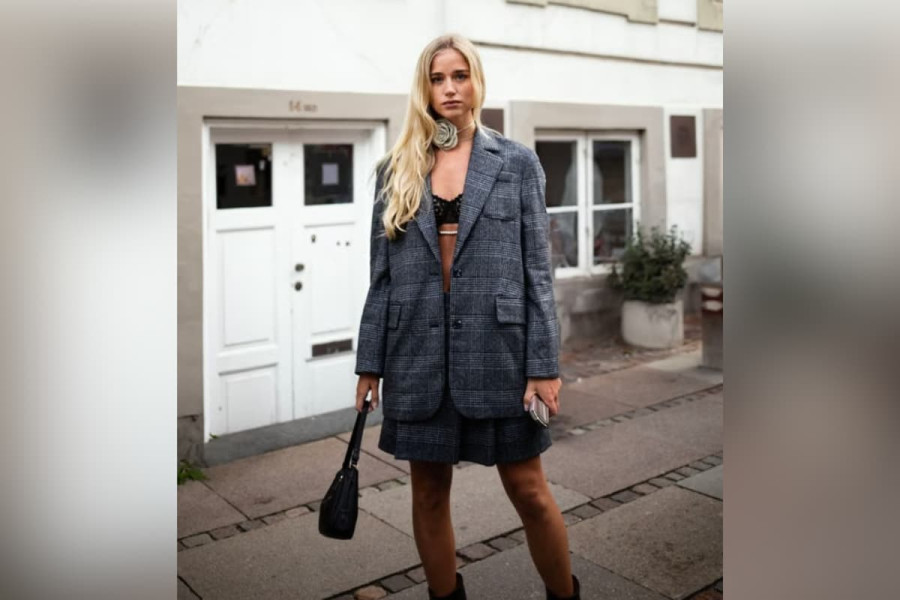
The divide can also be seen beyond the runway. Copenhagen street style has increasingly featured both pared-back, polished looks and highly individual outfits designed to stand out.
Social media has further amplified these contrasting aesthetics, with minimalist looks appealing to those drawn to understated, polished dressing, while a growing number of fashion fans are embracing quirky styling and more experimental combinations.
Scandi Style Is No Longer Just One Thing
Perhaps the biggest takeaway from Copenhagen Fashion Week is that there is no single definition of Scandinavian style anymore.
The Scandi minimalist remains a strong fashion archetype: practical, polished, neutral and effortlessly chic. But alongside it is a more colourful and expressive interpretation that prioritises experimentation and personal style.
Rather than replacing minimalism, the rise of maximalism gives Scandinavian fashion another dimension.
For anyone wondering what Scandi style looks like today, the answer may simply be: whatever feels most like you.
From oversized shirts and tailored trousers to vivid prints, sequins and exaggerated silhouettes, Copenhagen Fashion Week is showing that Scandinavian fashion can be both understated and attention-grabbing — and that the two can exist side by side.