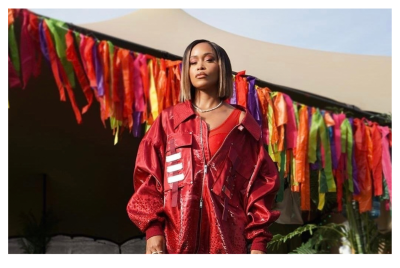
Former Miss Universe Canada Ashley Callingbull made an unexpected intervention during the 2026 Miss Universe Canada pageant after raising concerns over costumes worn by two contestants during the competition's national costume segment.
Callingbull, who made history as the first First Nations woman to win the Miss Universe Canada title in 2024, was co-hosting the pageant in Windsor, Ontario, on 8 August when she paused proceedings just before the announcement of the Top 20 contestants.
The moment allowed Callingbull an opportunity to publicly address what she described as cultural appropriation involving Indigenous peoples.
Ashley Callingbull Speaks Out During the Pageant
Callingbull interrupted Miss Universe Canada director Sonny Borelli as he prepared to announce the next stage of the competition. She asked for the music to be turned down before explaining why she wanted to address the audience.
As a Plains Cree woman from Enoch Cree Nation, Callingbull spoke about the significance of her own Miss Universe Canada victory and the responsibility she felt to address the controversy.
She explained that she had seen video footage of the national costume competition and immediately became concerned about how Indigenous cultural elements had been presented. Callingbull said she contacted the pageant organisation after seeing the footage and was encouraged by its willingness to listen to her concerns.
Her intervention came during an otherwise celebratory moment, making the discussion particularly striking for viewers watching the live event.
The Costumes That Sparked Controversy
The controversy stemmed from the national costume competition held on 4 August, in which contestants were invited to showcase designs representing different aspects of identity, heritage or Canadian culture.
Two contestants, Karisa Haverkamp and Jasleen Kaily, faced criticism over their outfits.
Haverkamp appeared in a costume featuring a feathered headdress and a red handprint. Reports noted that the red hand was intended to represent solidarity with the Missing and Murdered Indigenous Women and Girls movement. However, the use of Indigenous imagery and symbolism in a pageant costume prompted criticism.
Kaily's outfit, titled 'Arctic Beauty', included fur, braids and boots described in reports as mukluks, along with a maple leaf design. The combination of these elements also drew accusations of cultural appropriation.
Callingbull said she believed the issue needed to be acknowledged rather than ignored.
Contestants Apologise Over Their Outfits
Both Haverkamp and Kaily subsequently apologised for their costumes.
Haverkamp acknowledged that her national costume had caused hurt and offence within the Indigenous community. Kaily also expressed regret, explaining that her intention had been to honour Indigenous culture but that she had misunderstood the assignment and its cultural implications.
The apologies came as the controversy continued to generate discussion about cultural representation in pageants and the responsibilities that come with using traditional or culturally significant imagery.
For Callingbull, the issue was not simply about a costume. Her comments focused on the importance of understanding the meaning behind cultural symbols before using them publicly.
Miss Universe Canada Promises New Guidelines
Following the controversy, the Miss Universe Canada organisation acknowledged the concerns and said it would introduce clearer guidelines for future national costume competitions.
The organisation said the costume segment is intended to celebrate creativity, heritage and identity, while recognising that cultural representation requires care and respect.
Callingbull has also been invited to take on a liaison role connected to future costume competitions to help contestants and organisers approach Indigenous representation more appropriately.
The response represents a broader attempt to turn the controversy into an opportunity for education rather than allowing the incident to end with apologies alone.
A Bigger Conversation About Cultural Representation
Callingbull's decision to address the issue on stage has brought renewed attention to cultural appropriation in beauty pageants, particularly when contestants use traditional clothing, symbols or imagery as part of a performance.
National costume competitions are often intended to celebrate the diversity of participating countries and cultures. However, the incident demonstrates how difficult that can become when culturally significant elements are used without sufficient understanding or consultation.
Callingbull stressed the importance of education and reconciliation, arguing that mistakes can become opportunities to learn when people are willing to listen and make changes.
Her decision to speak up also carries particular significance because of her own history with the competition. As the first First Nations woman to win the Miss Universe Canada crown, Callingbull has a personal connection to both the pageant and the representation of Indigenous women on its platform.
Ashley Callingbull Stands Firm on Her Message
What began as an unexpected interruption during a pageant has developed into a wider conversation about respect, representation and cultural awareness.
Rather than allowing the national costume controversy to pass without comment, Callingbull used her position on stage to highlight why certain cultural symbols require greater sensitivity. The pageant organisation's decision to introduce new costume guidelines suggests that the incident could lead to lasting changes in how cultural representation is handled at future events.
For the former Miss Universe Canada, the message was ultimately about learning and moving forward.
The controversy surrounding the 2026 Miss Universe Canada pageant may have begun with two costumes, but Callingbull's intervention has placed a much larger issue in the spotlight: how cultural heritage can be celebrated without reducing meaningful traditions and symbols to pageant fashion.