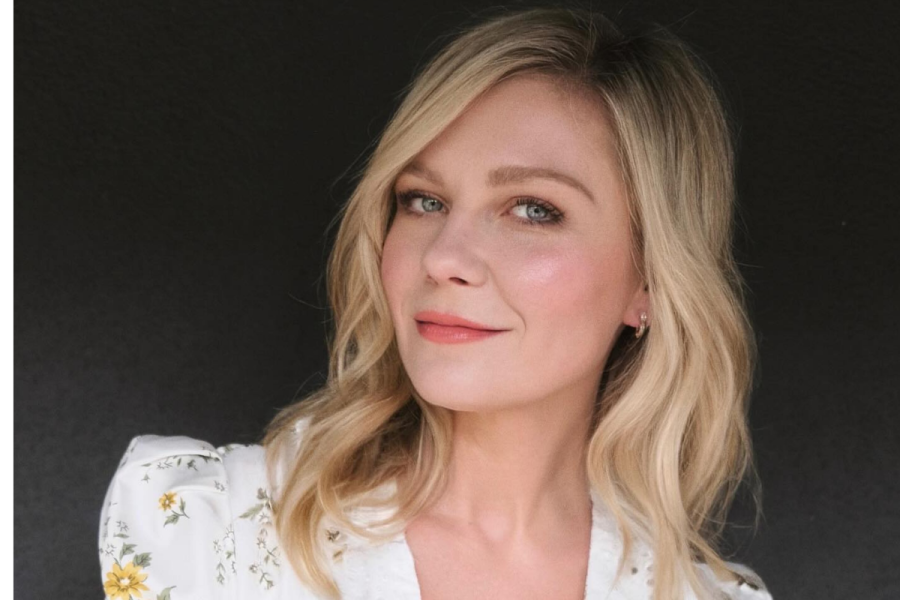
Hollywood has created an impossible ageing rule for women: show wrinkles and risk being labelled past your prime, or pursue cosmetic work and face public ridicule when it becomes noticeable. Kirsten Dunst is rejecting that double bind, saying she would rather grow older on screen than alter the face that has carried some of her most celebrated performances.
The Oscar-nominated The Power of the Dog actress made the declaration during a career-spanning conversation at a neighbourhood bar near her Toluca Lake home. Conducted around the release of Alex Garland's Civil War, the interview explored Dunst's return to acting, motherhood and her decades-long resistance to Hollywood executives trying to reshape her appearance. 'I'm not gonna screw up my face and look like a freak,' she said. 'I'd rather get old and do good roles.'
Why Has Kirsten Dunst Refused Cosmetic Surgery?
Dunst's resistance began long before conversations about Botox, filler and 'preventative' treatments became unavoidable on social media. While making Sam Raimi's Spider-Man, a producer unexpectedly took her to a dentist and encouraged her to straighten her teeth. Dunst refused, responding, 'No, I like my teeth,' despite pressure to fit the studio's preferred image of a conventionally glamorous leading woman.
The Marie Antoinette star credited filmmaker Sofia Coppola with strengthening that confidence when she was still a teenager. Coppola, who directed her in The Virgin Suicides, told Dunst that she loved her teeth and made her feel beautiful at a formative age. Dunst said the support influenced her later decisions 'not to change teeth, not to blow up my lips' and not to follow whatever face was currently fashionable in Hollywood.
Her wording may be deliberately harsh, but the broader point concerns what happens when an actor's fear of ageing overtakes the value of facial expression. Dunst's performances in Melancholia, The Power of the Dog and Civil War depend heavily on subtle physical emotion, from exhaustion and grief to psychological collapse. Garland said her face carries a sense of lived experience, something particularly important when she played a veteran war photographer in Civil War.
Hollywood Stars Who Have Regretted Cosmetic Work
Dunst is not the only A-lister to describe the darker side of Hollywood's anti-ageing culture. Friends star Courteney Cox said cosmetic treatments gradually left her looking unlike herself, explaining that repeated recommendations from different doctors resulted in layers of filler she did not immediately notice. 'You have no idea because it's gradual until you go, "Oh, this doesn't look right",' Cox said before confirming that she had her fillers dissolved.
Cox said she had been trying to halt the natural effects of ageing but eventually felt the result made her look 'fake'. She also pointed to a professional reality that echoes Dunst's stance: actors rely on facial movement. After dissolving the filler, Cox said she felt more like herself again and came to see her lines as evidence of expression rather than flaws to fix.
Jamie Lee Curtis has described an even more painful experience. The Everything Everywhere All at Once Oscar winner said she underwent eye surgery at 25 after a cinematographer commented that her eyes looked 'baggy' while filming Perfect. Curtis said the procedure went badly, led her to Vicodin use, and contributed to an opioid dependency she later kept hidden for years, turning a casual remark about appearance into a decision she has since regretted.
Actor Renée Zellweger has likewise faced intense scrutiny over changes in her appearance, prompting speculation about cosmetic work. She has pushed back on that narrative, saying the focus on her face has often overshadowed her work and personal life, and stressing that public assumptions about surgery ignore the pressure on women in Hollywood to maintain a consistent on-screen image over decades.
Natural Ageing Is Becoming Hollywood's New Rebellion
Cameron Diaz has expressed a similar preference for recognising her own reflection. The Charlie's Angels actress said she tried a small amount of Botox but disliked how dramatically it changed her appearance. 'I'd rather see my face ageing than a face that doesn't belong to me at all,' Diaz said, adding that her laugh lines showed she had spent her life smiling.
Diaz later clarified that she does not judge people who choose Botox, framing cosmetic treatments as an individual decision rather than something women should be shamed for using. Her position instead focused on rejecting the belief that ageing itself represents personal failure. She has described growing older as a privilege and argued that women should be allowed to celebrate it rather than constantly conceal it.
That distinction gives Dunst's statement its real weight. She is not simply refusing a beauty trend; she is connecting her changing face to the quality of work she hopes to perform as she grows older. In an industry that has repeatedly encouraged women to erase evidence of time while simultaneously scrutinising every cosmetic change, choosing 'good roles' over permanent youth may be one of Hollywood's most quietly radical career moves.