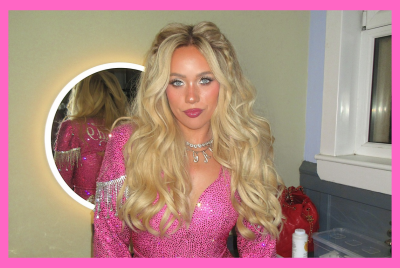
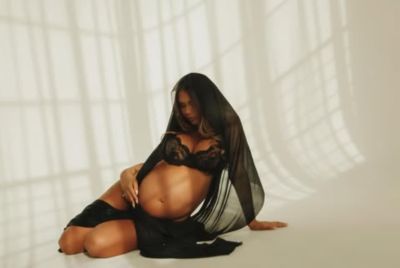
Jenna Ortega's latest Vogue photoshoot has caught attention for its doll-like styling, but it has also revived an uncomfortable question about fashion's obsession with thinness. After one fan complained that the 'waif' aesthetic seemed to be making a comeback, the actress's November 2026 cover became part of a wider conversation about beauty standards.
The reaction is a reminder that fashion trends rarely exist in a vacuum, especially when they bring back looks associated with controversial periods in the industry. While Ortega's shoot is an artistic editorial, its delicate styling has prompted some viewers to question what kind of beauty fashion is choosing to celebrate.
Inside Jenna Ortega's Vogue Shoot
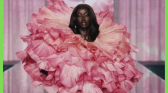
Photographed by Szilveszter Makó, Ortega's Vogue cover story transforms the actress into something resembling a figure from an elaborate paper-doll collection. The November 2026 editorial features designs from fashion houses including Dior, Givenchy, Miu Miu and Balenciaga Couture.
The styling moves between delicate dresses and more dramatic statement pieces, including an acid-green dress and a blue feathered gown. The shoot uses carefully arranged compositions and striking backdrops to make each image feel like a scene from an illustrated fashion world.
The paper-doll concept is part of what makes the editorial stand out, as the clothes, poses and settings work together to create a highly stylised effect. However, not everyone is sold on the aesthetic, with one person saying: 'I don't like that "waif" is making a comeback'.


What Is 'Waif' Aesthetic?
The term 'waif' generally describes someone who appears thin, delicate or vulnerable, and its association with fashion goes back decades. The look is particularly linked to the early 1990s, when a very slim, sometimes deliberately dishevelled appearance became prominent in editorial photography.
That period also saw the rise of 'heroin chic', a controversial aesthetic characterised by pale styling, dark circles, messy hair and extremely thin models. Although the two terms are not identical, both are often mentioned in discussions about fashion's history of presenting thinness as desirable.
Ortega's Vogue shoot is not enough to declare the return of the waif era, but the response shows that its associations have not disappeared. The doll-like presentation, delicate styling and carefully controlled poses may remind some internet users of the visual language associated with waif-inspired editorials.
Comment
by u/mcfw31 from discussion
in popculturechat
In the 90s the waif models were incredibly thin. Kate Moss was famous for it.
— Variana Volk (@TheracelLab) March 10, 2026
But they still looked alive.
Faces full of expression. Bodies with energy and playfulness. a kind of mischievous vitality.
What we’re seeing now is different.
Hollow faces. Flat expressions. Bodies… https://t.co/j2c82qUGRM pic.twitter.com/e9FrYQMj9U
Fashion Photography & Beauty Standards
Fashion photography has always pushed boundaries through unusual poses, dramatic lighting and unexpected styling, but its influence goes beyond the clothes themselves. When similar body ideals appear repeatedly in influential magazines and campaigns, they can contribute to narrow ideas about what beauty should look like.
The concern is not that one celebrity cover can single-handedly change beauty standards, but that it forms part of a much larger visual culture. Fashion has faced criticism for giving limited space to different body types, making the return of familiar ultra-thin imagery a sensitive subject for some audiences.
That does not mean every slim silhouette or delicate editorial should be treated as a problem, either. There is room to appreciate the creativity behind Makó's photographs while questioning why certain beauty ideals continue to attract attention and influence fashion imagery.