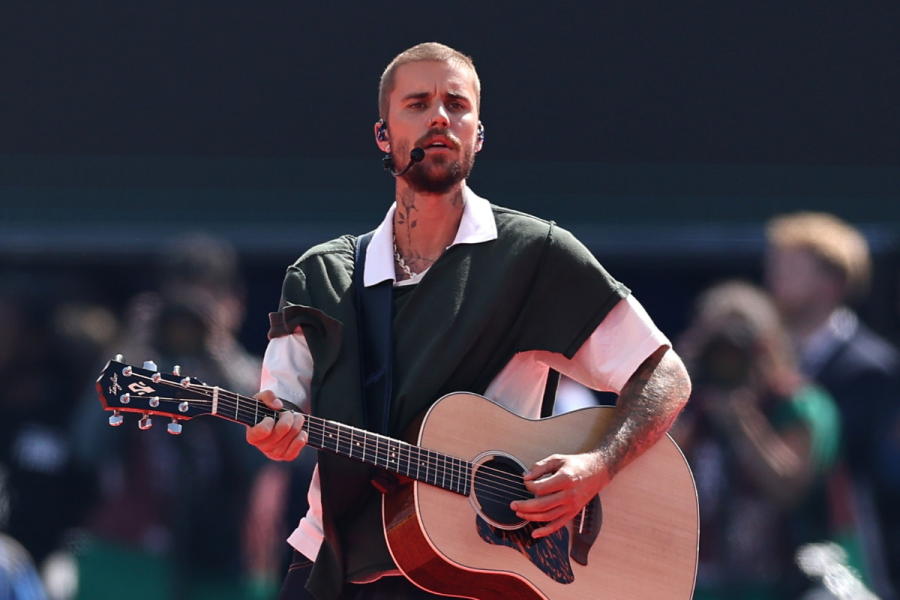
Madonna and Justin Bieber were reportedly at the centre of a backstage battle over the direction of the FIFA World Cup final halftime show, with insiders claiming the two global superstars had different ideas about how the historic performance should come together.
The alleged 'tug-of-war' reportedly happened during preparations for the first-ever World Cup final halftime spectacle, with claims that the pair had contrasting opinions about the production, stage presence and creative direction.
However, neither Madonna nor Bieber has publicly confirmed any disagreement, and FIFA has not released any statement suggesting there was a dispute between the performers.
The reported tension created intrigue before the event, as organisers faced the challenge of bringing together two artists from very different generations of pop music.
Madonna, known as the Queen of Pop, has spent more than four decades redefining live entertainment through bold visuals, reinvention and controversial performances. Bieber, meanwhile, became one of the world's biggest stars after rising to fame as a teenager and represents a new generation of global pop icons.
With both artists bringing huge fanbases and very different performance styles, expectations were sky-high for the landmark show.
Creative Differences Reportedly Put Pressure on Historic World Cup Show
According to reports, the alleged disagreement focused on how each artist wanted their contribution to the halftime performance presented.
Madonna's career has been built on creating unforgettable spectacles, from groundbreaking music videos to ambitious world tours. Her reputation as a performer is closely linked to artistic control and pushing creative boundaries.
Sources claimed Madonna wanted a bigger, more theatrical production that reflected the scale of the World Cup final, while Bieber was reportedly focused on delivering a more controlled and polished performance.
The reported difference in approach highlighted the challenges of coordinating a production featuring multiple global stars. Behind any major halftime show is a huge team of producers, choreographers and technical experts working to ensure every moment runs smoothly.
The World Cup final halftime show was a significant milestone, introducing a major entertainment production to football's biggest stage. With a worldwide audience watching, the pressure on every performer was immense.
Despite the rumours, there is no indication that any reported disagreement affected the final performance.
Fans Clash Over Madonna, Bieber, and Star-Studded Performance
Following the show, fans were divided over the performances, production choices and the artists involved.
Some viewers criticised Madonna's appearance and questioned the authenticity of the performances. One fan wrote: 'Sadly, Madonna needs to stop dressing like she is 20! Most of the so-called performers were lip-syncing. I'm not a Justin Bieber fan but I think he was the only performer who didn't lip sync. This show should never have happened.'
Others praised the halftime spectacle for bringing together different generations and musical styles.
One fan said: 'Best half-time show ever! Covered all genres of music & all ages—ranging from Madonna to Justin Bieber to BTS to Shakira to kids' singing. And Jason Sudeikis' 'Ted Lasso' & the Muppets added humour. Great stuff. Super Bowl organisers could learn from this.'
The mixed reactions highlighted the difficulty of creating a performance that appeals to a global audience. While Madonna's supporters celebrated her decades-long influence, Bieber's fans praised his ability to stand alongside some of the biggest names in music.
The show also sparked discussion about the changing face of pop culture, with audiences comparing Madonna's legendary career with Bieber's modern-day influence.
Although the reported backstage 'tug-of-war' remains unconfirmed, it added another layer of drama to an already historic event.
For Madonna and Bieber, the World Cup stage became another defining moment—proving that when music legends share the spotlight, the conversation continues long after the performance ends.