A New York police officer's life was tragically cut short following what was meant to be a standard cosmetic procedure. Rebecca De Paula, a 31-year-old NYPD officer and mother of three, died after undergoing breast implant removal surgery in the Dominican Republic, with her family now seeking answers on what went wrong.
De Paula's death has raised fresh concerns about the risks linked to cosmetic surgery, particularly procedures performed overseas. While thousands of people undergo breast implant surgery and removal safely every year, medical experts warn that complications can become life-threatening when infections or other problems are not treated quickly.
From Surgery to Tragedy: Rebecca De Paula's Story
De Paula travelled to Santo Domingo, Dominican Republic, for breast implant removal surgery. According to local media outlet Noticias Sin, she developed a bacterial infection after the procedure and later became critically ill.
The NYPD officer had served for less than two years and was recognised earlier in 2026 as officer of the month by her Bronx precinct for her dedication and police work. Outside of her career in law enforcement, De Paula was also a mother of three and worked alongside her husband as a pastor.
After learning that her daughter was in serious condition, De Paula's mother rushed to the medical facility where she was being treated. However, she arrived to find that her daughter had already died. Her remains were later held by the National Institute of Forensic Sciences before being returned to the US for burial.
The sudden death of the young officer has left colleagues, friends and family mourning a life they say was dedicated to helping others. The NYPD's Police Benevolent Association also paid tribute to De Paula, describing the loss as devastating for those who worked alongside her.
Family Seeks Justice After Tragic Loss
Following De Paula's death, her family has called for an investigation into the circumstances surrounding the surgery, including whether medical malpractice or negligence played a role.
The case has also drawn attention to the broader issue of medical tourism, where patients travel abroad for cosmetic procedures that may be more affordable than in their home countries. However, healthcare professionals have repeatedly warned that patients must carefully consider factors including clinic standards, follow-up care, and how complications will be handled after returning home.
The Dominican Republic has previously been linked to reports of serious post-surgical infections.
In 2004, the US Centers for Disease Control and Prevention (CDC) documented cases of rapidly growing nontuberculous mycobacterial infections among patients who travelled to Santo Domingo for cosmetic surgery, including procedures such as breast implants. Further CDC investigations in 2016 and 2018 identified additional cases involving medical tourists who developed similar infections after undergoing cosmetic procedures in the Dominican Republic.
The Hidden Risks Behind Cosmetic Surgery
Breast implant procedures, including both insertion and removal, are generally performed successfully for many patients, but they are still surgeries with potential risks. Complications can include infection, bleeding, fluid build-up, scarring, blood clots and reactions linked to anaesthesia.
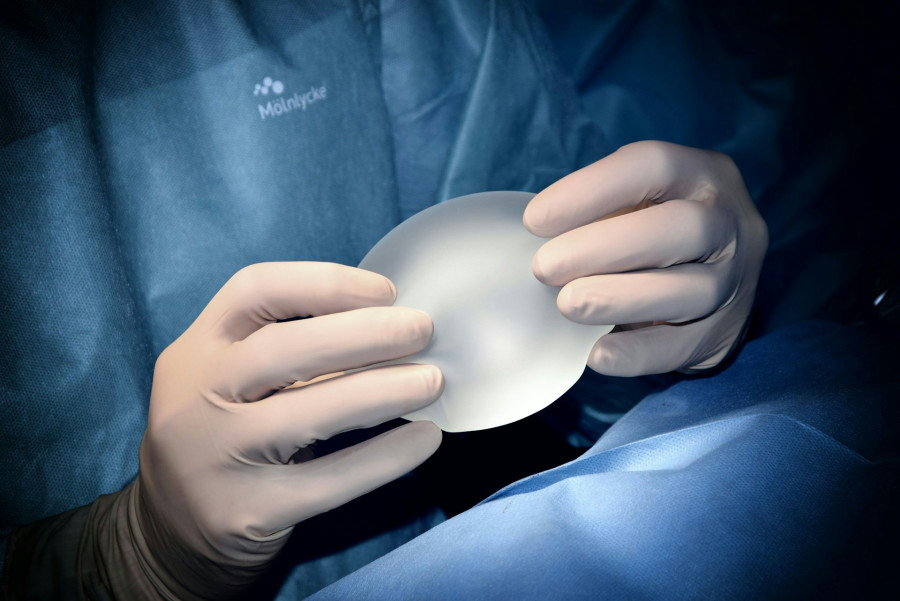
Breast implant removal, known as explant surgery, may be performed because of personal preference, implant complications, leakage concerns or other medical reasons. However, removing implants does not eliminate surgical risks, as the procedure still involves operating on breast tissue and requires careful aftercare.
As cosmetic treatments continue to grow in popularity worldwide, experts stress the importance of informed decisions rather than focusing only on cost or convenience. Proper consultations, realistic expectations and reliable aftercare can play a crucial role in reducing avoidable risks.