Artificial intelligence has opened up exciting possibilities for content creation, but it has also created new challenges around identity, trust and online safety. One British-trained doctor is now raising concerns after claiming that her likeness was altered using AI and repurposed to promote beauty products without her knowledge or consent.
Dr. Nicole James, a dermatologist who creates educational content on skincare and haircare, says discovering the fake videos felt 'absolutely dystopian'. Her experience has sparked wider conversations about AI impersonation, digital identity theft and the growing difficulty of distinguishing authentic online content from manipulated material.
Doctor Says AI Altered Her Appearance
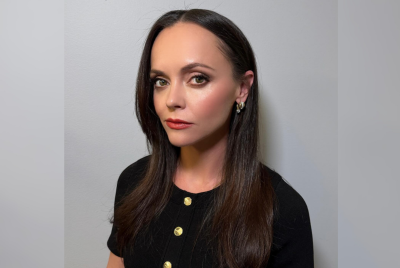
Dr. Nicole James, who trained in the UK and is now based in Chicago, regularly shares dermatology advice on social media, particularly focusing on haircare and skincare topics relevant to the Black community. Her educational videos have helped build trust with thousands of followers seeking reliable medical information.
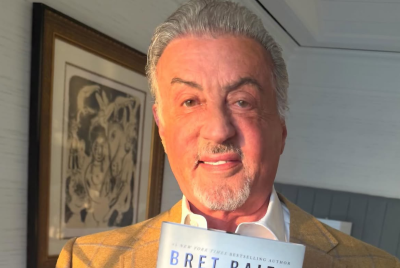
According to James, an Instagram account copied videos from her genuine social media channels before using artificial intelligence to alter her appearance. She claims the AI transformed her into what appeared to be an older American woman while leaving much of her original speech and filming background unchanged.
The altered clips allegedly retained her medical advice word for word before adding promotional messages encouraging viewers to purchase a specific hair oil through an Amazon affiliate link.
The doctor believes the account exploited the credibility she has spent years establishing as a qualified medical professional.
A Disturbing Discovery
James says she only became aware of the account after one of her followers alerted her to its existence around two weeks ago.
Initially, she reportedly struggled to recognise herself in the altered footage.
@doctor.nicolej The only negative for my is the nozzle is way to small so it’s difficult to get the correct amount of sunscreen. But if you can figure it out, I’m actually a glowing goddess when I wear this one! It’s called Anthelios UVAir serum sunscreen by @La Roche-Posay . I usually find wearing sunscreen such a chore but this one is actually a standout. #blackwomen #blacktiktok #hyperpigmentation #glowingskin #sunscreen
♬ original sound - Dr Nicole, MD
She explained that while watching one of the videos, she gradually realised that the speech, background and surroundings matched content she had personally recorded in her Chicago apartment. Despite the familiar setting and voice, her facial appearance had been digitally modified, creating what she described as an unsettling experience.
Speaking about the incident, James said it felt 'absolutely dystopian' and expressed frustration over seeing her identity manipulated to market products she had never endorsed.
Fake Account Quickly Gained Attention
What particularly alarmed James was the apparent success of the account.
She claims the profile attracted more than 20,000 followers in a relatively short period and that one of the altered videos received around one million views.
Such figures highlight how quickly AI-generated content can spread across social media platforms, especially when it appears to feature trusted professionals offering expert advice.
For viewers, distinguishing between authentic educational content and manipulated material is becoming increasingly difficult as AI editing technology grows more sophisticated.
Growing Concerns Over AI Impersonation
The case reflects broader concerns surrounding AI-generated deepfakes and digitally altered content.
@doctor.nicolej If you limit yourself to only the ‘black products’ isle, you’re really missing out. Here’s some amazing products that aren’t necessarily advertised towards black women but will have a big impact on your skin and hair! @RedkenUKI @@differin @Amlactin #blackwomen #blacktiktok #4chair #glowingskin #hyperpigmentation
♬ original sound - Dr Nicole, MD
While artificial intelligence has many legitimate applications, experts have warned that the technology can also be misused to imitate public figures, professionals and creators without permission. These manipulated videos may damage reputations, mislead audiences or falsely suggest endorsements of products and services.
Medical professionals are considered particularly vulnerable because their qualifications often inspire a high level of public trust. If that trust is exploited through AI-generated content, consumers could unknowingly rely on recommendations that were never made by the individual featured in the video.
The rapid improvement of AI tools has also made creating convincing fake videos more accessible than ever, raising questions about how social media companies can better detect and remove deceptive content.
Why Online Trust Matters
For healthcare professionals like James, social media has become an important platform for educating the public about skincare, hair health and common dermatological conditions.
Building that relationship with followers takes years of consistent, evidence-based communication. When content is copied and manipulated using AI, it risks undermining that trust not only for the creator but also for audiences searching for reliable health information.
The incident also serves as a reminder for users to verify accounts carefully before acting on medical or product recommendations. Looking for verified profiles, checking official websites and confirming endorsements through trusted sources can help reduce the risk of being misled by impersonation accounts.
The Challenge Ahead
As AI technology continues to evolve, cases like Dr. Nicole James' illustrate the growing need for stronger safeguards against digital identity misuse. Balancing innovation with accountability will remain one of the biggest challenges facing social media platforms, technology companies and regulators alike.
For James, the experience has highlighted how easily years of professional credibility can be exploited through AI-powered manipulation. Her story also reinforces an important message for internet users: even familiar faces and trusted voices online may not always be what they appear to be.
With artificial intelligence becoming increasingly sophisticated, protecting digital identity and maintaining public trust are likely to become even more important in the years ahead.