There is a reason Queen Elizabeth II remains one of the most recognisable figures in modern history—and it is not just down to her reign. Over the decades, her wardrobe became something quietly iconic, not because it chased fashion, but because it never really needed to. People didn't just see the Queen; they recognised her instantly, often from a distance, in colours and silhouettes that became part of Britain's visual identity.
As the country reflects on what would have been her centenary, that sense of familiarity feels more meaningful than ever. The tributes emerging this year — particularly those centred around her clothing — offer something more intimate than ceremony. They remind us that her style was never just about appearance; it was about presence, continuity and, in many ways, reassurance.
A Centenary Marked Through Style
Among the most talked-about tributes is a new set of commemorative stamps, created in collaboration with the Royal Collection Trust. Rather than focusing solely on historic events, the collection highlights moments in Queen Elizabeth II's life through what she wore—capturing everything from her early years to later public engagements.
It's a simple idea, but an effective one. Clothing has a way of fixing memories in place, and in this case, it brings back images many people already hold: the carefully tailored coats, the structured dresses, the unmistakable hats. These were not just outfits, but markers of time.
Patrick Grant described the stamps as celebrating a 'mutual love affair' between the Queen and British fashion—a phrase that feels less like industry praise and more like a reflection of how consistently she supported homegrown design without ever making a spectacle of it.

A Wardrobe That Tells a Life Story
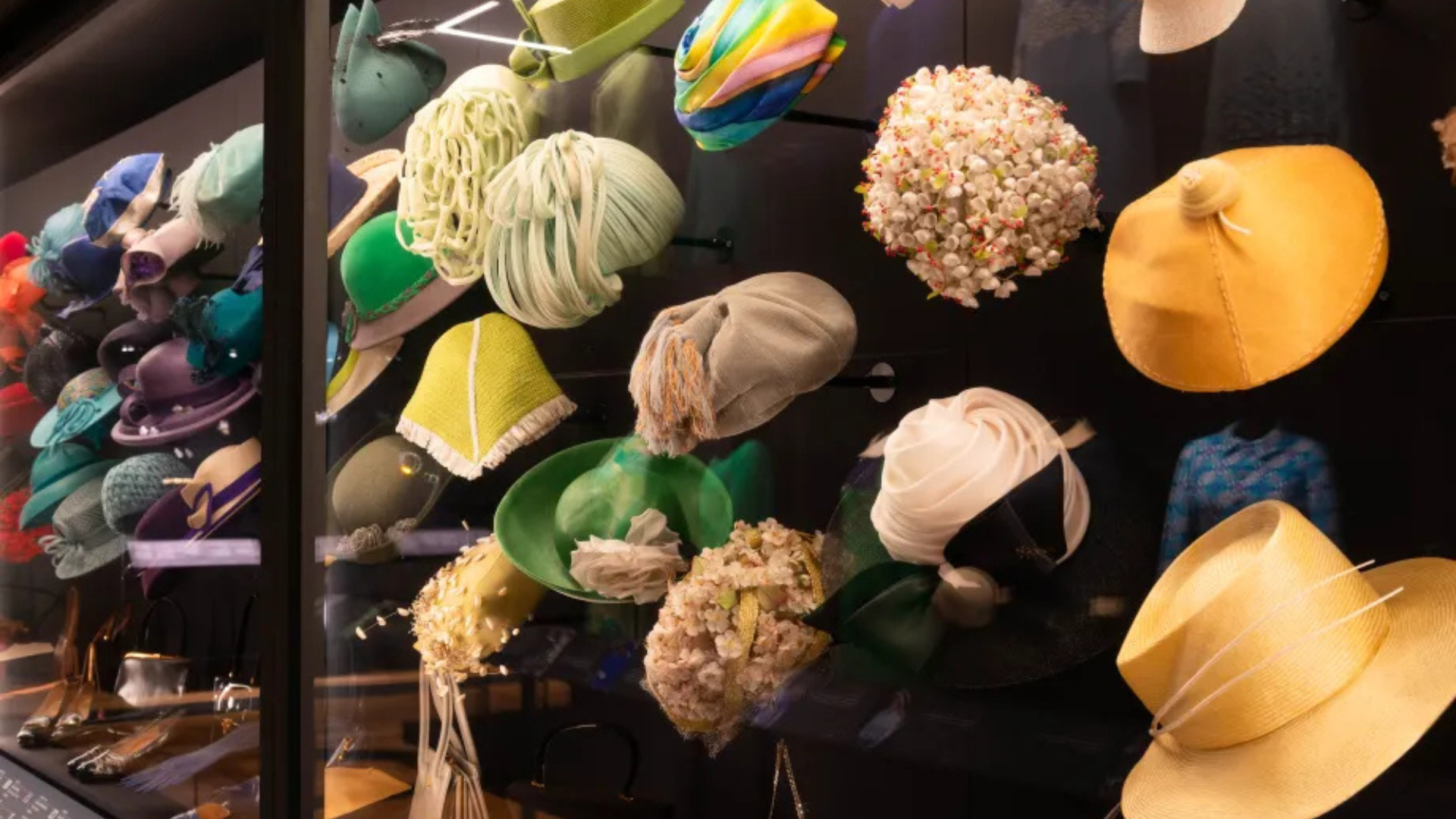
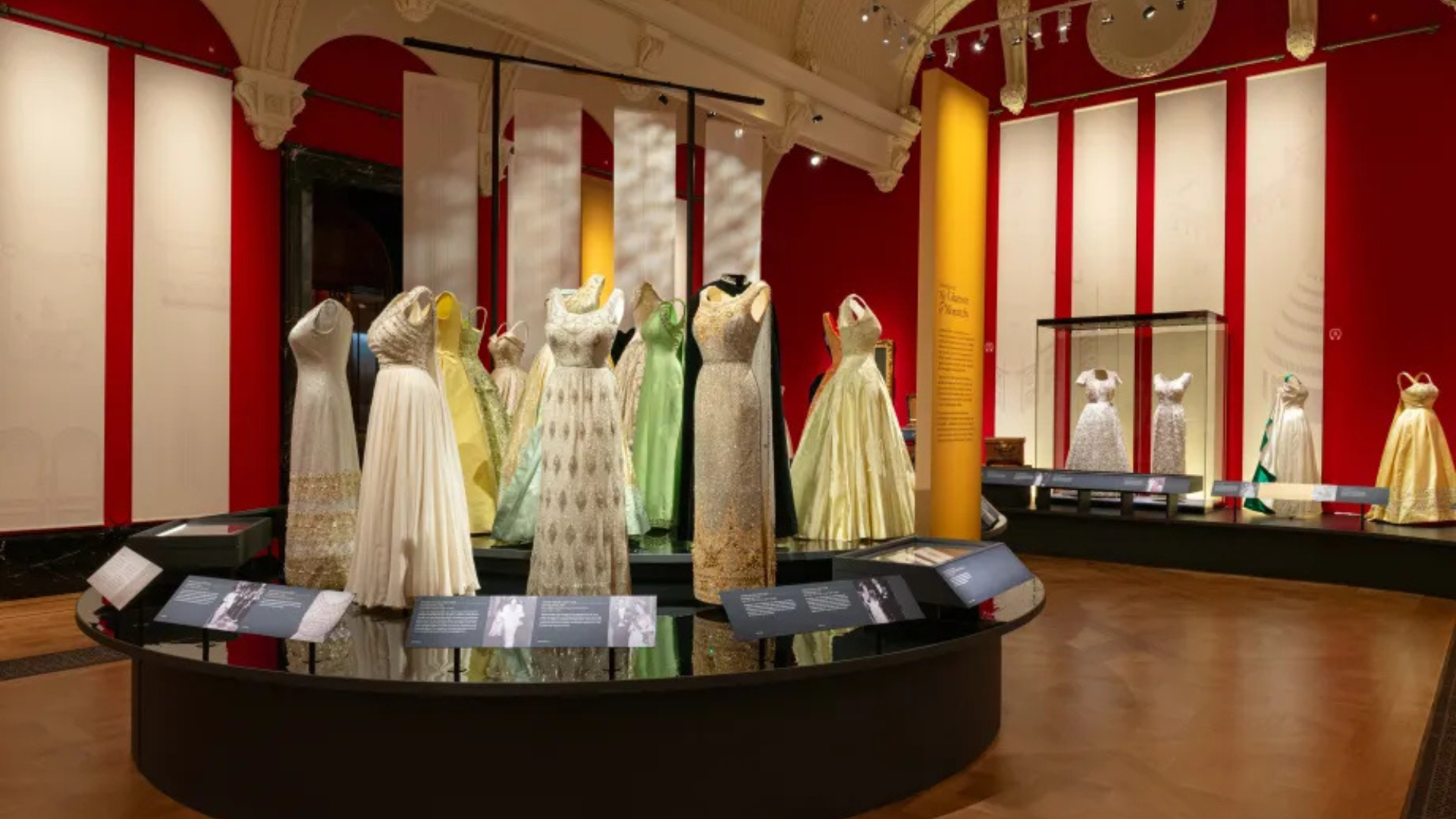
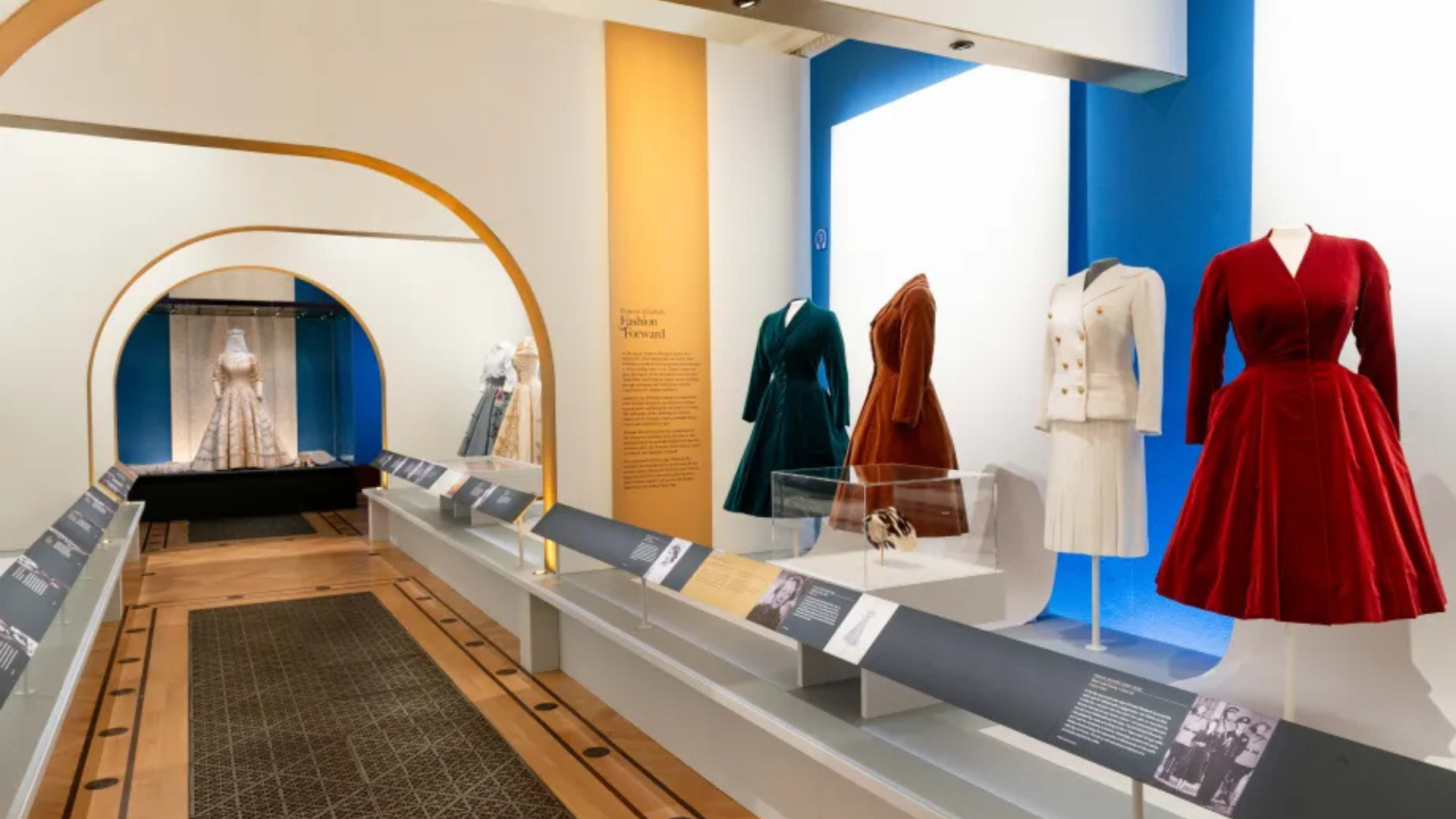
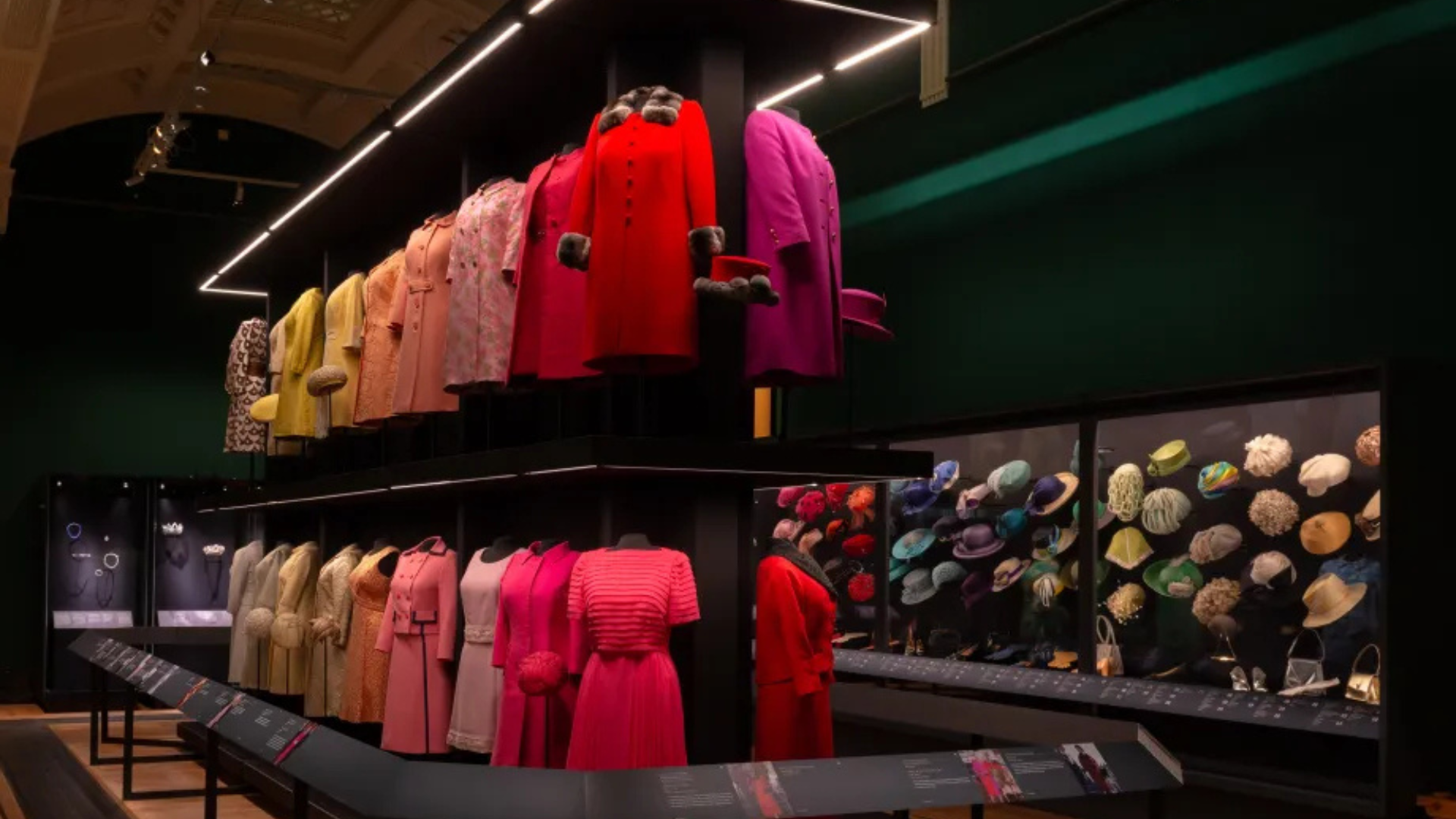
Running alongside the stamp release is Queen Elizabeth II: Her Life in Style, an exhibition at Buckingham Palace that brings together more than 300 pieces from her wardrobe. Organised by the Royal Collection Trust, it is the most extensive display of her clothing to date.
Walking through it — at least in spirit — you get a sense of how her style evolved without ever feeling disconnected from itself. There are garments from her childhood, pieces worn as a young princess, and the more defined looks that came with becoming queen in 1952, following the death of King George VI.
Some items carry obvious historical weight: her wedding dress, her Coronation gown, and outfits worn at key royal occasions, including the wedding of Princess Margaret. Others are quieter, almost understated, but no less telling. Together, they paint a picture not just of a monarch, but of a life lived very publicly, where clothing became part of the narrative.
What makes the exhibition particularly engaging is the glimpse behind the scenes. Sketches, fabric samples and handwritten notes reveal a working process that was far from distant. Queen Elizabeth II was involved—asking questions, making decisions, shaping what she wore in ways that feel surprisingly hands-on.
The Subtle Art of Being Seen
It is easy, in hindsight, to describe her style as consistent—but that risks overlooking how carefully it was considered. The now-famous use of bold colour, for example, had a practical purpose. She needed to be visible in large crowds, and those bright shades ensured she was.
There is something almost understated about that logic. It was never about standing out in a fashion sense, but about being seen as part of her role. As Maxine Cannon noted, her wardrobe choices were 'thoughtful and deeply connected' to her responsibilities.
That idea runs through much of what she wore. The shapes were familiar, the accessories carefully chosen, the overall look dependable. It might not have been trend-driven, but it was recognisable—and that, arguably, mattered more.
A Lasting Influence on British Design
While Queen Elizabeth II never positioned herself as a fashion figure in the modern sense, her impact on British design is difficult to ignore. Designers, milliners and craftspeople worked with her across decades, often gaining visibility simply through association.
What stands out is the steadiness of that relationship. There were no dramatic shifts or sudden reinventions—just a continued support of British talent that, over time, helped shape the industry's global identity.
Figures within fashion still speak about her influence with a certain respect, not because she followed trends, but because she didn't feel the need to. That consistency, once seen as traditional, now feels almost radical in an industry built on constant change.
Why Her Style Still Resonates
In many ways, her approach to dressing feels unexpectedly relevant now. Long before sustainability became a central conversation in fashion, Queen Elizabeth II was re-wearing pieces, adapting garments and maintaining a wardrobe designed to last.
It wasn't framed as a statement, but it quietly aligns with how the industry is shifting today—towards longevity, responsibility and thoughtful consumption.
There is also something reassuring in the simplicity of her style. At a time when fashion can feel fast-moving and, at times, overwhelming, her approach was grounded. She dressed with purpose, but without excess.
More Than Just Clothes
What these centenary tributes ultimately highlight is that her wardrobe was never just about clothing. It was part of how she communicated—subtle, consistent and widely understood.
For Queen Elizabeth II, fashion was not about self-expression in the way we often think of it today. It was about duty, visibility and connection. And perhaps that is why it still resonates.
Because even now, years on, those familiar images — bright coats, matching hats, a composed silhouette — continue to feel distinctly British, and unmistakably hers.