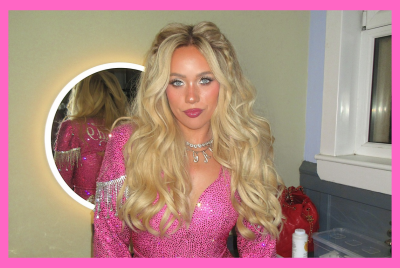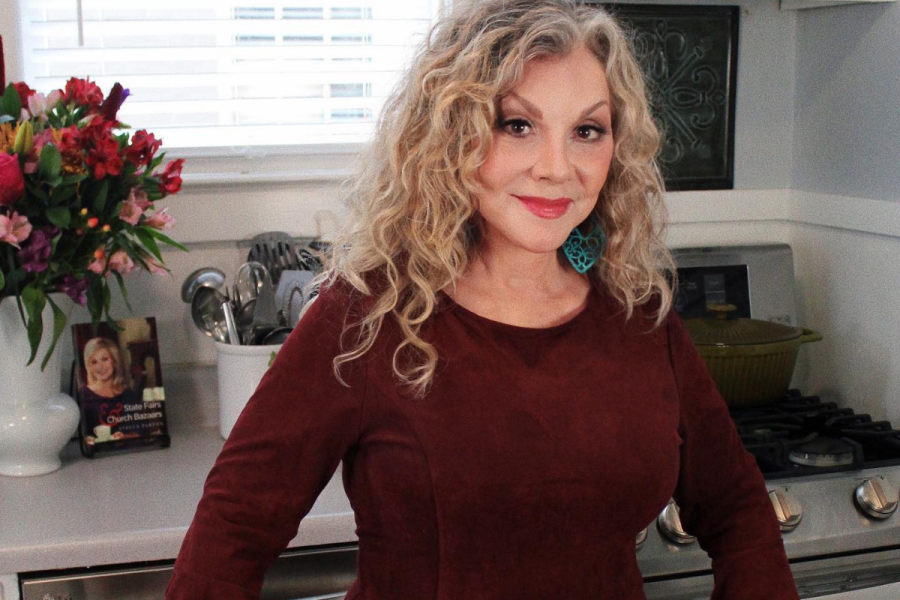
Dolly Parton's sister Stella Parton has called for greater compassion after a flood of AI-generated images, songs and videos appeared online following the death of the country music legend, branding some of the material 'fake AI garbage'.
Stella's comments came as her family continues to mourn Dolly, who died in Nashville on 25 August at the age of 80 following a brief battle with cancer. While genuine tributes have poured in from fans and fellow stars, Stella said the volume of artificial content and what she described as misinformation had become increasingly difficult for the family to absorb.
Stella Parton Calls for More Compassion
In a social media post on 4 September, Stella thanked people who had offered genuine love and support to the family but criticised what she described as a 'tremendous amount of AI and endless garbage' circulating online.
She said her family had been subjected to 'incredible pressure and insensitivity from strangers' because their lives had been lived publicly. Stella urged people to show 'more compassion' and warned against exploiting the loss and tragedies of others for online content.
Her comments come as increasingly sophisticated AI tools allow users to create realistic photographs, music, video and text within minutes. For grieving relatives, however, the technology can create a particularly uncomfortable situation when a loved one's appearance or voice is digitally recreated without their involvement.
Fake Dolly Images and AI Songs
Since Dolly's death, dozens of AI-generated images, songs and videos featuring or imitating the singer have appeared online.
One widely discussed example involved an AI-generated image of US President Donald Trump alongside Dolly. Trump shared the image on Truth Social, where it was labelled as AI-generated by the BBC.
Other material has caused an even stronger reaction. An AI-generated image depicting Dolly without her familiar make-up and wig was shared on social media, with some users describing it as disturbing and inappropriate. AI-generated music has also blurred the line between an authentic celebrity tribute and computer-created content.
A YouTube video presented as a fan-made tribute to Dolly in the style of Miley Cyrus has attracted more than 1.5 million views. Although the video carries an AI label and disclaimer stating that it is not an official release by Miley Cyrus or Dolly's representatives, comments from viewers reportedly thanked Cyrus for the tribute as though she had actually created it.
Other AI tributes imitating the styles of singers including Pink and Celine Dion have also circulated widely. The examples underline one of the biggest problems surrounding AI celebrity content: even when a creation is labelled artificial, audiences can still mistake it for something genuine.
Dolly Parton Had Already Warned About AI
The controversy is particularly striking because Dolly herself had spoken about the risks of artificial intelligence years before her death. In a 2023 interview with a news media outlet, Dolly said AI could be beneficial in areas including science and medicine, but expressed concern about technology replacing human beings.
Speaking about the possibility of digitally recreating people, she said: 'It's like you can't remake a person.'
She also said she wanted to leave 'a body of work' behind and argued that AI should not be used to replace human voices, writing or people themselves. That warning now carries added weight following the emergence of AI material created around her death.
Importantly, the 'You can't remake a person' line comes from Dolly's 2023 interview, rather than Stella's recent statement. Stella's latest criticism focused on AI-generated content, misinformation and the lack of sensitivity shown towards her grieving family.
Other Families Have Raised Similar Concerns
Stella is also far from the first relative of a late celebrity to object to AI recreations.
Zelda Williams, daughter of the late actor Robin Williams, previously asked people to stop sending her AI-generated videos of her father. Her comments came amid a wider wave of digitally recreated material involving the actor.
The complaints highlight a growing issue for celebrity families. AI can preserve a performer's likeness in new ways, but it can also create images, performances and statements that the person never made.
For families dealing with grief, that distinction can be difficult to separate from the emotional reality of losing someone.
Remembering Dolly for Who She Was
Dolly's death has prompted an outpouring of genuine tributes from across music and entertainment, reflecting a career that stretched across nearly six decades.
She wrote some of country music's most enduring songs, including 'Jolene' and 'I Will Always Love You', while also becoming an actress, entrepreneur and philanthropist. Reuters reported that she wrote nearly 3,000 songs and sold more than 100 million records worldwide.
For Stella, that real-life legacy should remain at the centre of the conversation.
The debate surrounding Dolly's AI tributes ultimately raises a difficult question: when does a digital tribute stop honouring someone and start attempting to replace them? For Dolly, who once warned that 'you can't remake a person', the answer may be more relevant now than ever.