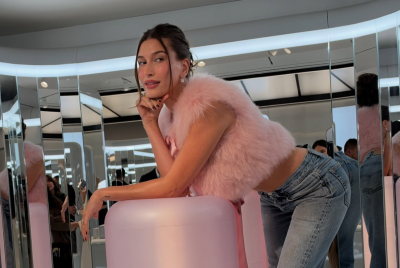
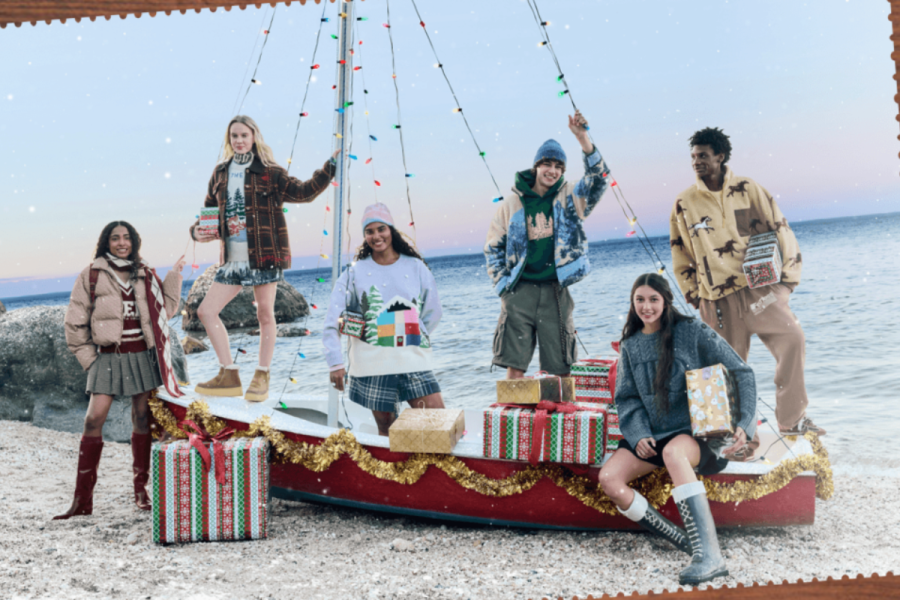
Taylor Swift's 2026 Holiday Wish List comes with a condition that has reignited criticism online: her team can use content created by participating fans for promotional purposes without paying them, under licensing provisions associated with the singer's official merchandise store.
The feature, branded 'Holiday Wi$h Li$t', allows Swifties to create personalised collages of merchandise they want for Christmas and share them on social media. However, the accompanying terms grant broad rights over submitted content, including permission to reproduce, edit and distribute it through a licence described as 'perpetual' and 'royalty-free'.
The agreement has attracted renewed attention following Swift's Christmas merchandise launch on 13 November. Discussions resurfaced on Reddit, with users questioning why fans would grant such extensive promotional rights simply to create a shopping wish list.
What Are Fans Signing Away for a Taylor Swift Wish List?
The official shopping feature lets fans select products from Swift's merchandise collection and arrange them into shareable wish lists. Before participating, users are presented with an agreement covering content associated with the feature. The discussion centres on how extensively that material can be used after submission.
Taylor Nation LLC and UMG Commercial Services Inc. are named in the site's general terms of use, with UMG operating Swift's official website and online store on Taylor Nation's behalf. Those terms grant a worldwide, transferable and sublicensable licence to qualifying user-submitted material. They explicitly state: 'The Parties do not provide any compensation for Your Content.'
Screenshots of the Wish List agreement shared online also show provisions covering additional material included alongside the lists in social media posts. The language references participants' names, photographs, voices, likenesses, social media handles, opinions and biographical information.
The terms permit reuse without additional payment or approval. They also grant a licence rather than automatically transferring copyright ownership.

Fans Question the Price of Participating
On Sunday, 22 November, the agreement drew fresh criticism in a Reddit discussion about Swift's merchandise promotion. One commenter called the arrangement 'so dystopian', while others questioned the scope of the licensing language. Some participants pushed back against claims that signing the agreement would give Swift ownership of everything a fan subsequently creates.
World’s most ethical billionaire strikes again. Taylor Swift’s shop lets fans make and share on social media a “Wi$h Li$t” of items they want to purchase. But beware, you are giving up rights in perpetuity over your likeness and more for advertising without compensation or notification.
by u/Relevant-Peach3997 in Fauxmoi
The controversy is not entirely new, having also surfaced during the 2025 holiday shopping season. Fans previously criticised the agreement after discovering the conditions attached to generating promotional wish lists. Its return has brought those concerns back into discussions surrounding the 2026 collection.
Meanwhile, Taylor Nation has continued promoting the festive shopping feature, telling followers: 'Hope you get what you want.' The invitation encourages fans to build their own Wish Lists using the merchandise store. For participants, sharing their selections also creates promotional material featuring Swift's products.
Swift's Fight for Music Ownership Returns to the Conversation
The criticism carries additional context because of Swift's highly publicised battle to regain ownership of her music catalogue. In May 2025, the Grammy-winning singer announced that she had purchased the masters of her first six albums after years of disputes over control of her recordings. She celebrated the acquisition in a personal letter to fans.
'All of the music I've ever made... now belongs... to me,' Swift wrote, crediting her supporters for helping make the purchase possible. Her efforts to regain control included recording new versions of albums such as Fearless, Red, Speak Now and 1989. The campaign became a major part of her relationship with Swifties and her advocacy for artists' ownership rights.
The Holiday Wish List debate now brings questions about ownership and compensation into another part of Swift's business. While the agreement concerns promotional content rather than ownership of a musician's recordings, it gives the companies operating her store substantial rights over fan submissions. Those permissions can continue long after the Christmas shopping season ends.