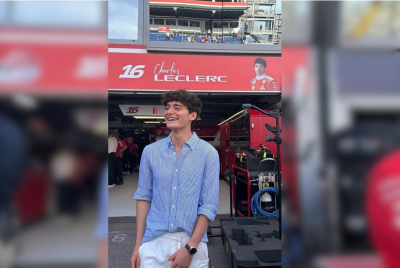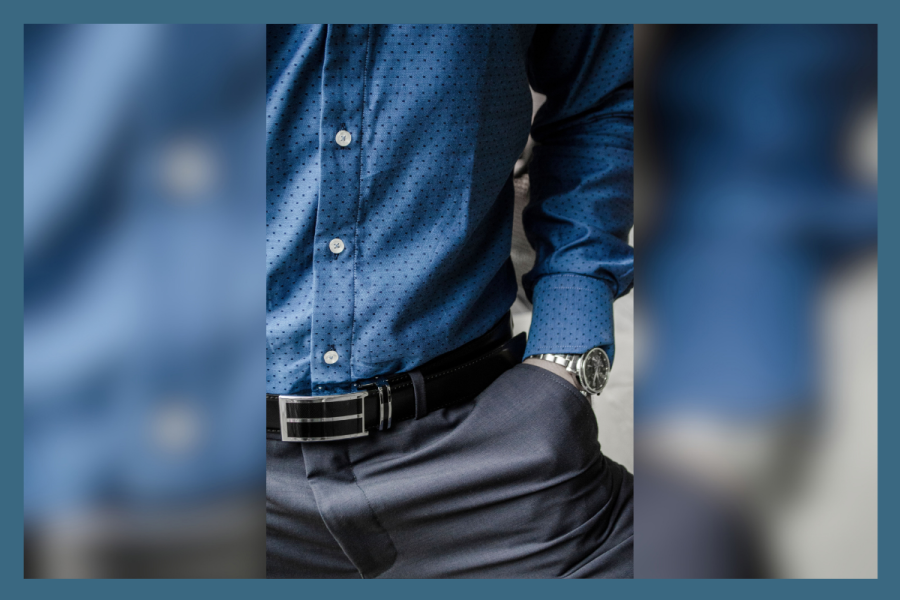
A simple question about whether men should tuck in their shirts has exposed a much bigger divide in modern menswear, with online commenters challenging the idea that traditional dressing rules should dictate how an outfit is worn. The discussion on Reddit's r/malefashionadvice quickly moved beyond the shirt itself, with users weighing fit, body shape, trouser rise, and personal preference against established menswear conventions.
One commenter pushed back against the idea that either side had the definitive answer, saying: 'What I find really stupid is that both sides of this argument believe that there is only one way to dress and look good.' Another argued that personal proportions should take priority over rigid instructions: 'We all got different bodies. You just gotta find out for yourself what works best for you.'
12 SHIRT & TROUSER COMBINATIONS EVERY MAN SHOULD TRY.
— Man to Man (@manly_talks) October 6, 2026
1. White Shirt + Black Trousers. pic.twitter.com/bT978lanDO
When Should a Shirt Be Tucked?
The tuck-or-untuck question persists for a practical reason. Traditional menswear guidance generally distinguishes between shirts designed to be tucked in and those intended to be worn loose.
Dress shirts with longer, curved tails are designed to stay anchored under a waistband, particularly when the wearer sits or moves. Leaving those tails hanging can therefore look unfinished when the shirt is clearly designed for a tucked-in silhouette.
Casual shirts are different. Straight-hemmed styles, including many polos, camp-collar shirts and short-sleeved casual shirts, are commonly cut to be worn untucked. Their shorter hems are designed to sit naturally outside the waistband rather than being tucked away.
The distinction is not always straightforward, however. Shirt length, body shape, trouser position and the proportions of the overall outfit can all affect whether a tucked or untucked look appears balanced.


Why High-Waisted Trousers Entered the Argument
The online discussions also touched on higher-waisted trousers, with commenters debating the merits of high-rise and wider trouser styles and whether the look works for everyone.
A higher waistband can work particularly well with a tucked shirt, creating a more continuous silhouette between the shirt and trousers. The effect ultimately depends on the proportions of the outfit and the wearer.
That is where traditional menswear rules can become less clear-cut. A combination that looks classic and balanced on one person can appear exaggerated on another, particularly when the proportions of the shirt and trousers are dramatically different.
if youre over the age of like 25 and still wearing t shirts, you should at least tuck them in so you dont look like a teenager. pic.twitter.com/3OmQYb1Lav
— doomer (@uncledoomer) August 5, 2026
Are the Rules Still Relevant?
For formal occasions, business settings and tailored suits, a neatly tucked dress shirt will generally create the more conventional look. Casual dressing leaves considerably more room for interpretation, particularly when the shirt is specifically designed to be worn untucked.
The online comments suggest that the real issue is less about enforcing one answer and more about deciding how much authority traditional menswear rules should have over modern wardrobes. The right shirt design, trouser rise and proportions can make the answer obvious for traditionalists. For others, the best approach is simpler: wear what fits your body, suits the occasion and makes the outfit work.
Ultimately, the tuck-or-untuck question has no definitive answer. The strongest menswear rule may be knowing when a rule helps an outfit and when ignoring it produces the better result.