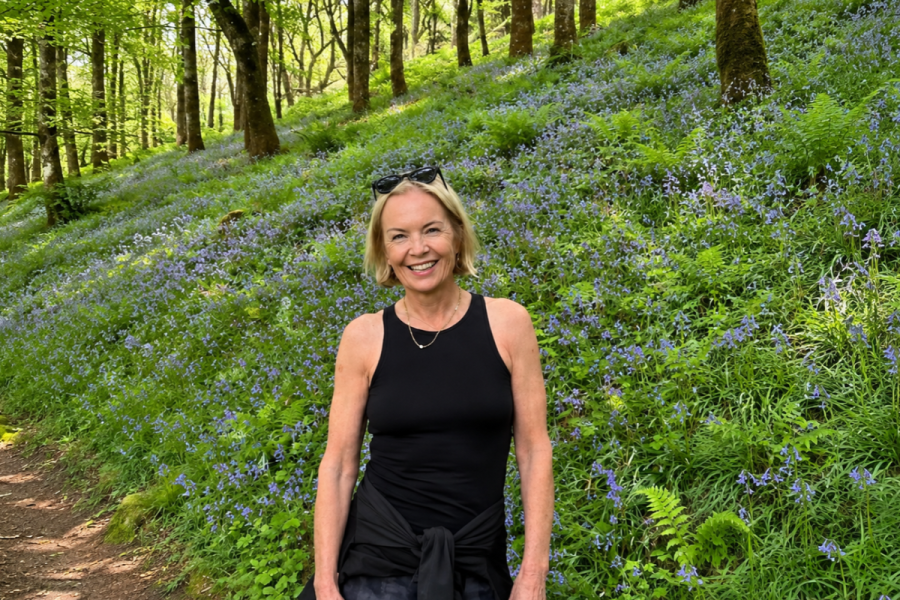
Mariella Frostrup has revealed that male radio DJs would grab her breasts and make 'honk honk' noises during her early years in the music industry, recalling how women who challenged such behaviour were told to 'get over yourself'.
The broadcaster, 64, shared her experiences of sexism during a conversation with model Leomie Anderson on ITV's I'm A Celebrity... Get Me Out Of Here! on Tuesday, 17 November. Frostrup described the unwanted touching as 'really shocking', explaining how inappropriate behaviour towards women was often dismissed as harmless banter.
Why Was Harassment Dismissed as 'Banter'?
Frostrup said that when women objected to such conduct, people would laugh and tell them to 'get over yourself'. She recalled the dismissive response: 'Can't you take a joke? It's just banter.' Her account described a workplace culture where unwanted touching could be excused as humour rather than challenged.
Frostrup moved to London in 1977 before establishing a career in music publicity during the 1980s. Her early career included music publicity work, and she was part of the team handling publicity for the 1985 Live Aid concert at Wembley Stadium. Frostrup did not identify the radio DJs or stations involved in the incidents she described.
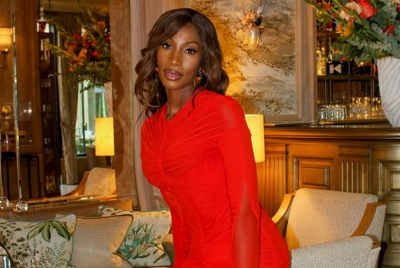
Her comments emerged during a conversation about careers in entertainment. Anderson, who has worked as a Victoria's Secret model, asked Frostrup about her experiences of sexism. The exchange then moved beyond the music industry when fellow campmate Joanna Page described behaviour she had encountered as an actress.


Joanna Page Reveals Harassment on Set
Page, known for playing Stacey Shipman in Gavin & Stacey and appearing in Love Actually, recalled working with an unnamed male actor who would whisper sexual remarks into her ear before filming. She described the comments as 'really inappropriate, awful stuff'. The actor also allegedly made up a song about what he wanted to do to her while they performed a scene together.
Page said nobody spoke up while the actor chanted during the scene. She did not identify the actor or the production involved. Frostrup responded by describing how women who spoke up were routinely accused of lacking a sense of humour.
Anderson also discussed the difficulties she encountered when entering the modelling industry. She recalled initially being unaware of its darker side because she had not expected those experiences to happen to her. The conversation brought together accounts from women who had worked in music, modelling and acting.
How Much Has Changed for Women in Music?
The wider industry has since faced scrutiny over its treatment of women. In a 2024 report, Parliament's Women and Equalities Committee cited a Musicians' Union survey in which 48% of 800 respondents said they had experienced sexual harassment at work. The committee also raised concerns about power imbalances in the industry and the difficulty of reporting misconduct.
Frostrup told her campmates she sees a difference in how younger women respond. Looking at her daughter, she said she 'just wouldn't put up with anything like that' and feels able to speak about unacceptable behaviour. Her comments offered a personal comparison with the expectations she faced when starting.
The discussion also reflects Frostrup's work beyond broadcasting. In April 2026, the UK government appointed her Women's Employment Ambassador, expanding her earlier work on menopause and workplace support. The appointment widened her responsibilities to include raising awareness of women's health issues in employment and working with businesses to improve workplace support.