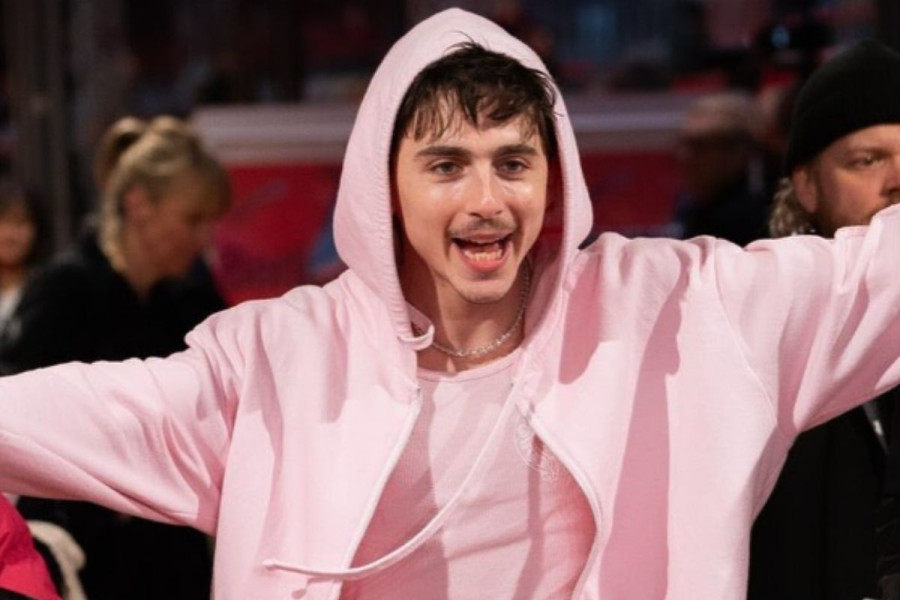
Timothée Chalamet's Vanity Fair cover interview, published on 17 November 2026, has drawn mockery for focusing more on editor Mark Guiducci's Manhattan apartment than the Hollywood actor himself.
The 90-minute conversation took place at Guiducci's Upper East Side home in October, with critics questioning the profile's extensive descriptions of his furnishings and artwork. Writer Rusty Foster criticised the article in his Today in Tabs newsletter, while Guiducci later defended the unusual interview setting.
Why Chalamet's Vanity Fair Interview Sparked Mockery
The cover story, titled 'A Star on Planet Earth', featured extensive descriptions of Guiducci's one-bedroom apartment inside a Manhattan townhouse dating to the 1870s.
The editor detailed his blue velvet sofa, white walls, black floors, vintage fashion magazines and photographs of prominent cultural figures.
One passage focused on Edie Sedgwick, the 1960s fashion icon associated with Andy Warhol, whom Guiducci said previously lived in the apartment. He described a photograph of Sedgwick displayed in his bathroom, explaining that it had been taken in the same living room where he interviewed Chalamet.
A little homework from Timothée Chalamet.Ahead of his Vanity Fair cover shoot in Iceland, the actor came prepared with a handful of films that helped inspire the vision. See his picks on VF's Letterboxd: https://t.co/Ij0ywhVwGL https://t.co/U3vVtMxKfa
— VANITY FAIR (@VanityFair) November 17, 2026
The actor reportedly mistook Sedgwick for filmmaker Greta Gerwig before the pair examined a vintage issue of Vogue.
Foster mocked the profile's emphasis on the editor's surroundings, suggesting that readers learned more about Guiducci's personal tastes than Chalamet's life.
Page Six also reported that New York publication Hell Gate NYC described the interview as 'excruciating'. The criticism centred on the article's first-person storytelling rather than any allegation of misconduct by the editor or actor.
What Timothée Chalamet Revealed About His Career
Despite the backlash, the 90-minute interview included several details about Chalamet's upcoming projects and approach to fame.
The actor discussed Dune: Part Three, describing its production as more isolated and psychologically demanding than the previous films.
He also addressed the franchise's political themes, including the dangers of charismatic leaders and personality cults.
Chalamet spoke about artificial intelligence, his creative influences and the difficulties of maintaining privacy while working in Hollywood.
However, he remained reluctant to discuss his relationship with Kylie Jenner, offering limited insight into his personal life.
The accompanying cover shoot provided another perspective on his creative interests.
Chalamet worked with photographer Aidan Zamiri on a three-day production in Iceland, drawing inspiration from filmmaker Terrence Malick's The Tree of Life.
The shoot reflected his involvement in shaping his public image, even as he maintained boundaries around private matters.
Vanity Fair Editor Defends Interview Setting
According to Page Six, Chalamet personally requested that Guiducci write the cover story, despite the editor not regularly producing long-form celebrity profiles.
Guiducci chose his apartment because Chalamet's fame made public meetings difficult. He hoped the private setting would encourage a more relaxed conversation.
Responding to the criticism, Guiducci described the actor as courteous and easy to host. He also revealed that Chalamet drank tap water during their meeting and would be welcome back to his apartment.
In an editor's letter published on 17 November, Guiducci proposed that editors occasionally write features themselves to better understand the challenges faced by journalists. The proposal was made public before the subsequent backlash and was not presented as a response to the criticism.
Chalamet has not publicly addressed the mockery surrounding the interview, according to the available reporting.