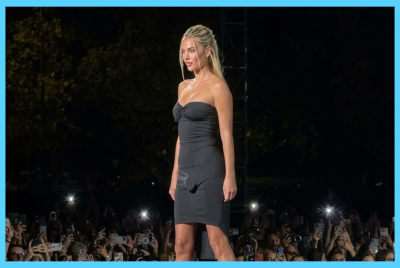
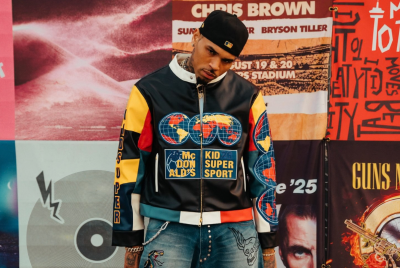
As the 2026 Winter Olympics prepare to open in Milan and Cortina d'Ampezzo, Italy, the sartorial story of these Games is proving to be almost as compelling as the competition itself. Far from being mere functional outfits for athletes, team kits and uniforms are now pivotal cultural artefacts — blending national identity, cutting‑edge design and fashion heritage in a way that could shape what sportswear looks like long after the last medal is awarded.
Beyond aesthetics, these uniforms are a statement about inclusivity, sustainability, and technological innovation. Designers have considered environmentally conscious materials and engineered them to withstand extreme winter conditions, reflecting a shift in sportswear from purely performance-driven garments to pieces that carry social and ecological significance.
This fusion of form and function is setting a new standard for how athletes are dressed in the 21st century, showing that Olympic clothing can communicate values as powerfully as national colours.

Sport Meets Style at the Winter Games
Italy's Winter Olympics, kicking off on 6 February 2026, will be held in Milan, one of the world's foremost fashion capitals. That context, deliberate and unapologetic, has driven organisers and designers alike to approach uniforms not just as technical garments but as narrative pieces of design rooted in identity and expression.
Whether it's the ceremonial outfits worn by volunteers or the high‑performance kits worn by elite athletes, these garments are crafted with a clear purpose: to reflect heritage, inspire pride, and translate culture into clothing. According to the official press kit for Milan Cortina 2026, the uniforms represent a "unified identity" across every element from accessories to outerwear.
National Identity on Display
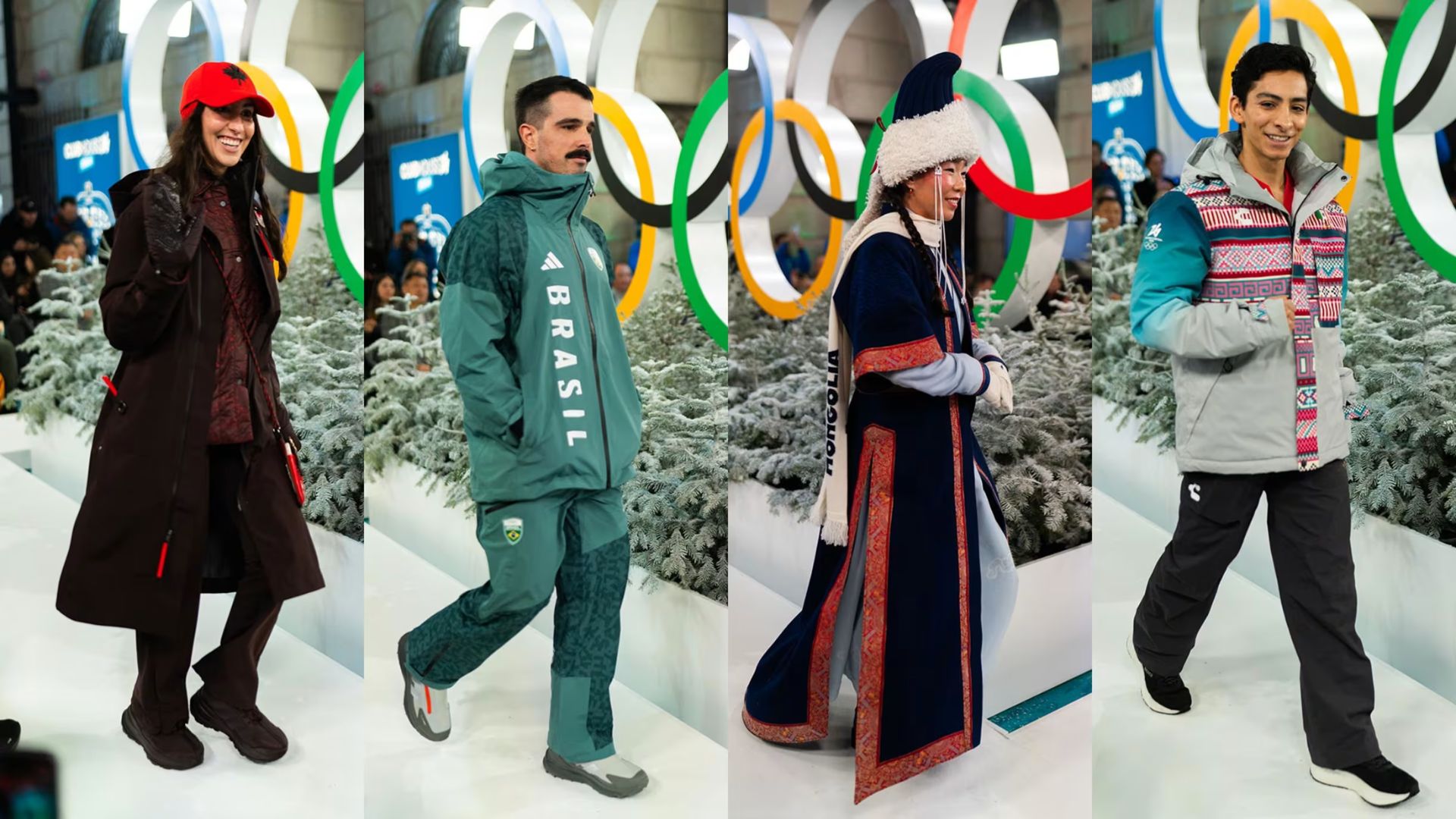
Before the uniforms are examined country by country, it is worth noting how the 2026 Games are using clothing as a platform for national storytelling. Each nation's kit is carefully crafted to convey heritage, values, and regional identity, transforming what might once have been purely functional attire into a statement of culture and pride.
From subtle nods to landscapes and flags to bold graphic motifs, the outfits allow athletes to carry their country's narrative onto the global stage, ensuring that fashion becomes an integral part of the Olympic experience rather than a mere accessory.
Italy: Emporio Armani's Elegant Whiteness
Host nation Italy's kit — designed by EA7 Emporio Armani — exemplifies how uniforms are transcending conventional sportswear. With a predominantly milk‑white palette that mirrors the snow‑capped Dolomites, the Italian outfits mix technical wear with understated elegance, featuring subtle tricolore details and crisp tailoring that nod to Milanese design philosophy. The word 'Italia' embroidered with three‑dimensional lettering adds a quiet but potent sense of national pride to each piece.
This palette isn't just aesthetic; it's symbolic. The choice of white and minimalist lines speaks to clarity, purity, and harmony with the landscape—a visual echo of the Games' Alpine setting.

United States: Heritage Meets Modern Edge
For the United States, long‑standing partner Ralph Lauren has unveiled uniforms that marry classic Americana with contemporary flair. Opening and closing ceremony looks combine winter‑white wool with bold red, white, and blue knitwear — a wardrobe many fashion lovers might recognise off the slopes as well as on them.
Athletes such as freestyle skier Jaelin Kauf and her Team USA colleagues recently modelled these pieces at a Milan airport fitting event, highlighting the joy and unity that well‑designed attire can bring, as well as a nod to heritage craftsmanship.

Canada, Great Britain, and Beyond
Canada's uniforms, produced by Lululemon, make a bold visual statement with oversized maple leaf motifs and topography‑inspired layers, designed for comfort and performance in winter conditions.
Great Britain's kit blends classic Union Jack colours with contemporary elements from Adidas and Ben Sherman, including playful accents such as bright pink beanies on traditional winter outfits.
Other nations are bringing their own narratives to life through clothing — from Iceland's centenary‑celebration uniforms to French pieces that weave topographical references into their design.


Fashion Tech and Performance Integration
What sets the 2026 uniforms apart from previous Games is the seamless integration of fashion elements with cutting‑edge performance technology. Brands like Nike ACG have pushed that boundary further with jackets and gear that incorporate innovative insulating systems and advanced materials to optimise warmth and mobility.
This shift — where a garment must perform at elite-level sporting standards and also resonate on the cultural and stylistic stage — is reshaping what fans and athletes expect from high‑performance sportswear. It is a development that aligns with broader industry trends, which increasingly emphasise hybrid pieces that move fluidly between sport, city, and lifestyle contexts.
More Than Uniforms: A Broader Cultural Moment
The importance of uniforms at Milan‑Cortina stretches beyond sport. Milan itself, renowned for fashion houses such as Gucci, Prada, and Pucci and for its sartorial history, is centre stage in a global cultural moment. Spectators are already embracing this, as fashion guides encourage attention to both technical performance and après‑ski style — blending sciura elegance with winter utility.
On the streets of Leeds, the conversation about Olympic kits isn't just about what works best in sub‑zero conditions. It's about what sportswear can signify: national identity, cultural storytelling, and a new visual language that may well influence high street fashion for years to come.
A Legacy of Style
As athletes parade through San Siro Stadium on opening night and the world watches them compete, the uniforms they wear will do more than keep them warm — they will tell a story about who they are and where they come from. These aren't just kits; they are cultural symbols, woven from threads of heritage, innovation, and national pride.
By placing fashion at the heart of the Winter Olympics, Milan‑Cortina 2026 is redefining how sportswear is perceived — not merely as functional attire, but as design that can captivate global audiences and shape the future of clothing on and off the sporting stage.
Fans Can Join the Olympic-Style Conversation
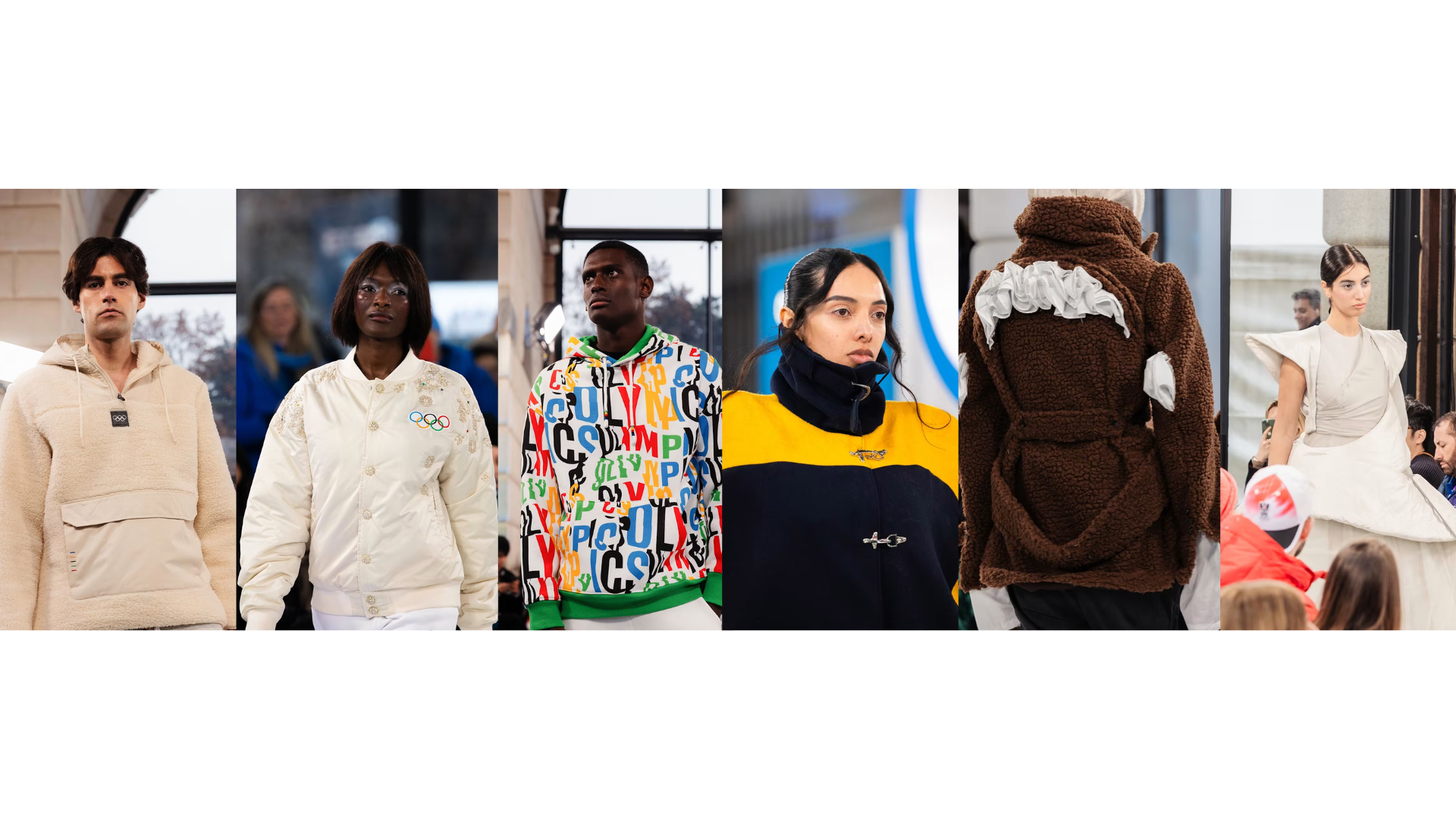
Beyond the athletes, the Olympic Collection invites fans to engage with the Winter Olympics through style. The collection features timeless everyday pieces, each emblazoned with the iconic Olympic rings and incorporating design nods to the unique spirit of the Games, while remaining aligned with the official Olympic colour palette and branding.
Highlights from the new collection showcased on the runway include a modern micro-fleece quarter-zip in a relaxed, oversized fit, and an off-white jacket crafted from lightweight sateen, blending sporting spirit with contemporary fashion. One-off customised versions of the sateen jacket, inspired by winter sports, were created in collaboration with The Football Gal and Fiona Rörig to celebrate the Italian style of the Olympic Winter Games. Fans can explore the full collection at shop.olympics.com.
The Milano Cortina 2026 Olympic Winter Games begin on 6 February. Tickets for the Games, including the Opening Ceremony, are now available. Fans across the globe can experience both the world-class sporting spectacle and the warmth, beauty, and hospitality of Milan and Cortina through official Olympic broadcasters.