The 2026 Grammy Awards, held on 1 February, brought together the music world's biggest stars to celebrate a year of standout performances and industry achievements. From chart‑topping icons to rising talent, the ceremony was a showcase of musical excellence and red carpet glamour. Yet for many celebrities, the night didn't end on stage.
Exclusive after‑parties at venues such as the Chateau Marmont offered a second stage for fashion, where artists swapped formal gowns and suits for daring, creative ensembles. Hosted by Saint Laurent, Universal Music Group, and other major brands, these gatherings became a playground for stylistic experimentation, turning late-night celebrations into a highlight reel of unforgettable post-Grammy fashion.
Organised hospitality ranged from the Saint Laurent and W magazine celebration to Universal Music Group's Nya West bash, each attracting a distinct set of attendees. The night revealed where celebrity fashion is headed in 2026: a bold blend of retro references, sleek minimalism, and experimental tailoring. Beyond the aesthetic, these looks also reflected the personalities and cultural statements of the artists themselves, emphasising that post-ceremony fashion is now a platform for self-expression as much as style.
Vintage Glamour Meets Contemporary Edge
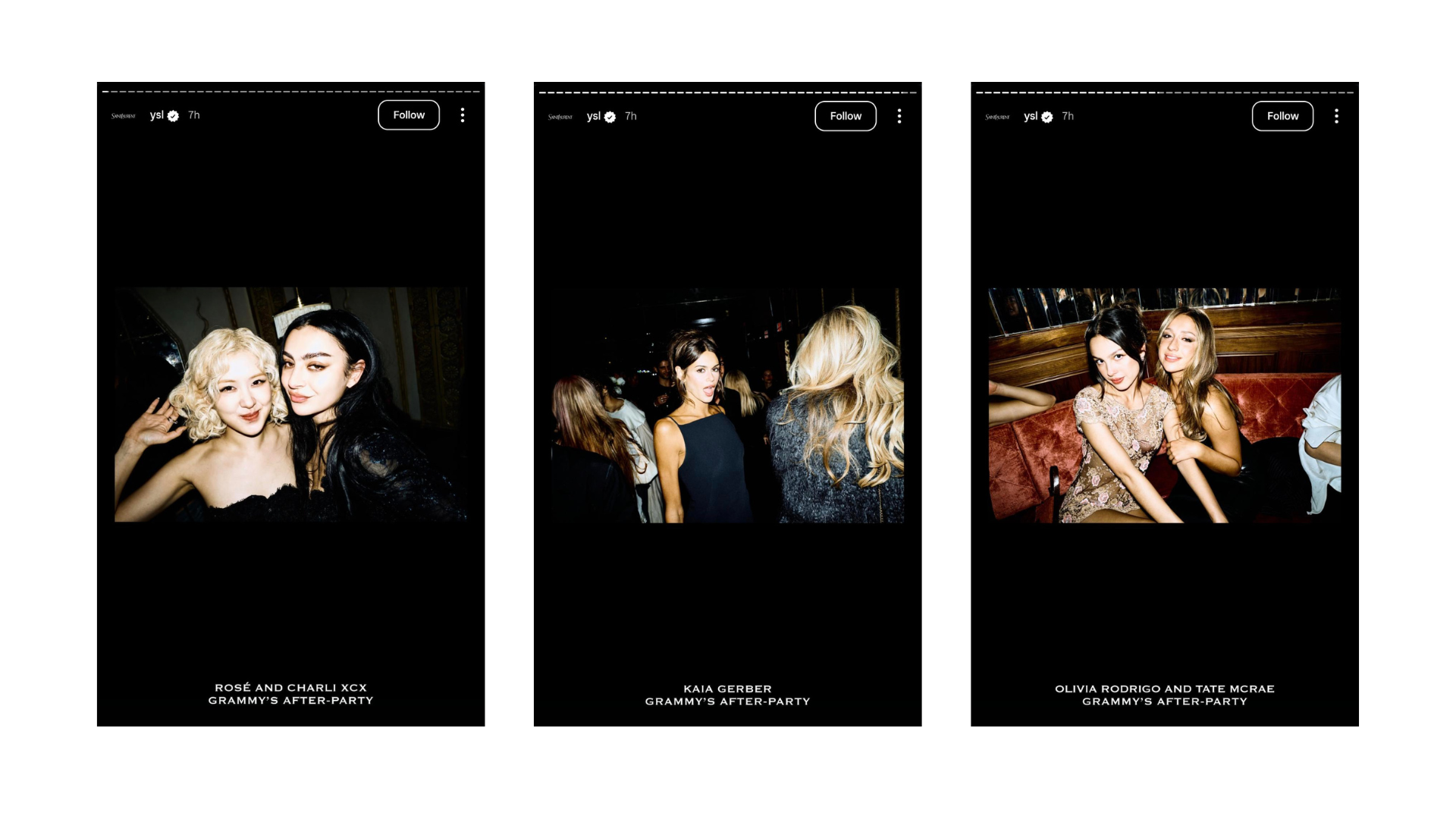
One of the most talked‑about looks of the night came from Olivia Rodrigo, who embraced a vintage aesthetic by choosing a nude lace mini‑dress from Valentino's archives. The delicate fabric and floral accents juxtaposed youthful sensuality with timeless elegance, setting it apart from more conventional evening wear.
Rodrigo's choice highlighted a growing trend of archival fashion at high-profile events, where pieces with history make new cultural statements on modern stages. Beyond mere nostalgia, this approach signals a shift in celebrity style: blending sustainability, storytelling, and couture into a single look.
Equally daring was Tate McRae, who pivoted from her earlier red-carpet gown to a bold black leather midi dress by Ludovic de Saint Sernin. The fitted bustier silhouette and gothic undertones created a striking combination of edge and sophistication, reinforcing her identity as a young artist unafraid of sartorial risk. Leather, in particular, emerged as a key after-party motif, signalling both rebellion and confidence in celebrity fashion this year.
Minimalism and Playful Reinvention
Hailey Bieber opted for a contrasting approach, wearing a white halter minidress, also by Ludovic de Saint Sernin, featuring string‑like sequin detailing and minimalist white sandal heels. Shared on her social media Stories, the outfit demonstrated how subtle textures and playful silhouettes can transform simplicity into a statement.
By contrast, her partner, Justin, took a more relaxed approach, pairing baggy jeans with a turquoise hoodie at one after-party, illustrating the freedom and personal expression inherent in these late-night fashion choices. These contrasts emphasise how post-Grammy ensembles often reveal facets of celebrity style that aren't visible on the red carpet.

Sleek Classics and Unexpected Pairings
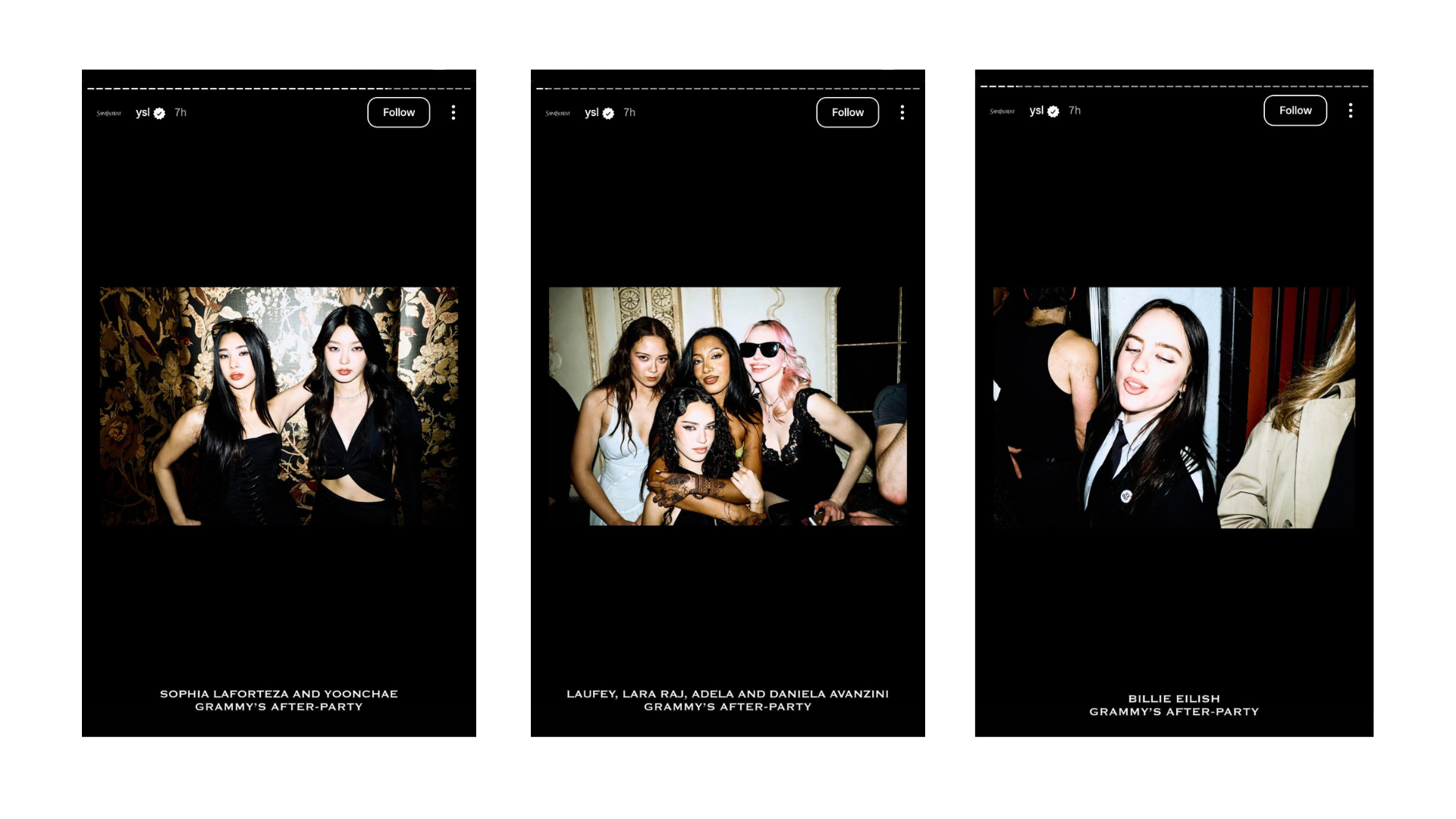
Some stars embraced timeless elegance. Kaia Gerber wore a Givenchy black midi dress with semi‑sheer tights and pointed suede pumps, projecting a polished, contemporary look. Meanwhile, Rosie (Rosé) and Billie Eilish chose sleek, monochrome ensembles — the former in a glittering strapless number with a thigh‑high slit, the latter in structured minimalist attire — balancing classic glamour with personal flair.
Laufey offered a softer counterpoint in a flowy white gown at the W magazine and Saint Laurent after-party, underscoring how musicians increasingly use post-ceremony fashion to extend their style narrative. These late-night choices demonstrate how the Grammys serve as both a musical and cultural barometer, reflecting emerging trends and evolving tastes among fans and fashion insiders alike.
After-Party Fashion Trends That Defined the 2026 Grammys
The evening highlighted several recurring themes:
- Sheer and Lace: From Rodrigo's vintage lace to modern interpretations of see-through fabrics, transparency was a key motif, conveying sophistication and subtle sensuality.
- Leather and Structured Pieces: McRae's leather and tailored silhouettes emphasised sculptural confidence and edgy sophistication, echoing wider movements in contemporary streetwear and high fashion.
- Statement Accessories: Bold jewellery, standout heels, and striking outerwear ensured even minimalist outfits commanded attention, showing that detail and attitude remain central to post-ceremony fashion.
Why Grammys After-Parties Are Becoming the True Fashion Stage
Fashion critics noted that after‑party style is now as influential as the red carpet itself. Where once post-ceremony events were more relaxed, they are now platforms for designers and stylists to experiment freely. Celebrities are using these moments to extend their sartorial storytelling, demonstrating how fashion at the Grammys is an evolving conversation rather than a single televised snapshot.
Trends observed at these events also mirror global runway developments: archival pieces, minimalist silhouettes with textured detailing, and confident contrasts between soft and structured looks.
What the 2026 Grammy After-Parties Reveal About Celebrity Style and Cultural Influence
The 2026 Grammy after‑parties offered more than just late-night revelry; they presented a vivid snapshot of contemporary celebrity fashion. From daring leather ensembles to timeless lace dresses, these looks underscore a growing trend: the Grammys are not just a musical celebration, but a stage for ongoing stylistic innovation.
In the world of high-profile fashion, the real stories often begin after the last award is handed out. These post-ceremony outfits influence trends on runways and in street style, while also reflecting how artists use fashion to express identity, mood, and cultural commentary, making the after-party circuit a vital component of the Grammys' broader impact.