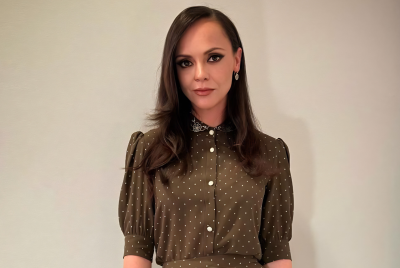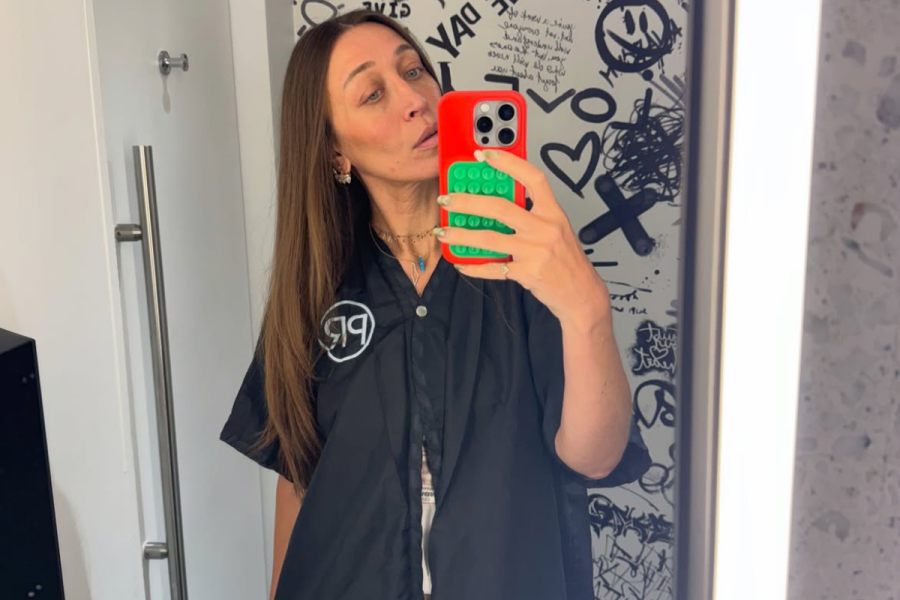
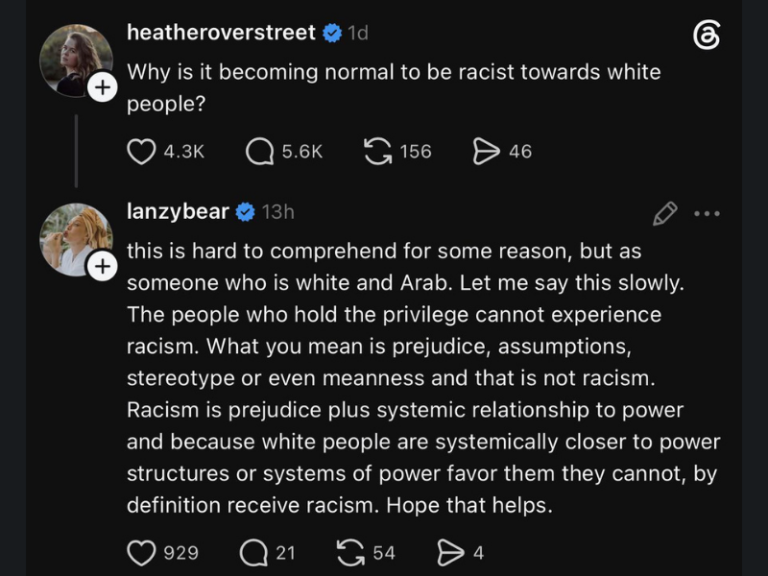
Alana Hadid was quite candid to her response to a Threads user named @heatheroverstreet who had asked a simple question: why does it feel normal now to be racist towards white people? That post got 4.3K likes and 5.6K comments. Alana, the older half-sister of Gigi and Bella Hadid, jumped in with a long reply under her own handle, @lanzybear.
'This is hard to comprehend for some reason, but as someone who is white and Arab. Let me say this slowly,' she wrote. 'The people who hold the privilege cannot experience racism. What you mean is prejudice, assumptions, stereotype or even meanness and that is not racism. Racism is prejudice plus systemic relationship to power and because white people are systemically closer to power structures or systems of power favor them they cannot, by definition receive racism. Hope that helps.'
As of writing, her response has received 929 likes, leading to a highly divided comment section.
Two Ways to Think About Racism
Alana's point comes from a real idea taught in university sociology classes. It says there are two kinds of racism. One is personal, when someone is unkind or unfair to a person because of their race. The other is systemic, meaning it is built into laws, institutions, and society itself, and only groups with real power can create it.
But most people do not use the word that way day-to-day. To them, racism just means being cruel to someone because of their race, full stop. That is the gap that caused all the arguing. It did not help that Alana's tone came across as sharp. Lines like 'let me say this slowly' and 'hope that helps' came across more condescending than genuinely helpful.
Calling herself 'white and Arab' added complexity, as Arab people are officially classified as white in the US census, but often experience different treatment. This led many readers to find her stance on the privilege argument confusing rather than convincing.
Did Alana Have a Valid Point?
Some people agreed with her completely. One popular reply said only people with real institutional power can turn bias into unfair 'rules, laws and social norms'. Another reply simply asked for 'class consciousness', a dig at the fact that Alana comes from real estate wealth, a famous modelling family, and her own role as Creative Director of the Palestinian film company Watermelon Pictures, while lecturing everyday people about power.
Comment
by u/Visible-Objective-48 from discussion
in popculturechat
Other commenters pushed back hard. One person who is mixed race shared their own story: relatives on their white side disowned the family for a South Asian marriage, and relatives on the South Asian side did the same in reverse. That person had also been called slurs, including being called a 'dirty white b*tch', and said both experiences counted as racism no matter who held more power.
Another warned that Alana's comment was 'a ragebait gift to right-wingers'. The conversation turned into an unprompted lecture that is often taken out of context and used as a weapon in broader culture wars.
Comment
by u/Visible-Objective-48 from discussion
in popculturechat
The Lesson Behind the Backlash
That might be the real lesson here. Alana spoke with total confidence, as if her lecture had officially closed the case. Instead, her comment section blew wide open.
It turns out that when an ultra-wealthy celebrity tries to 'school' strangers on social media using academic jargon, people do not say 'thank you for educating me'. They call out the hypocrisy, defend their own experiences, and drag the debate out even longer.