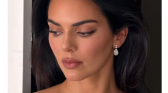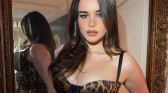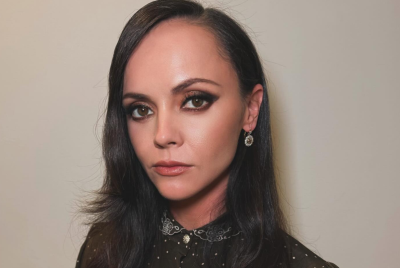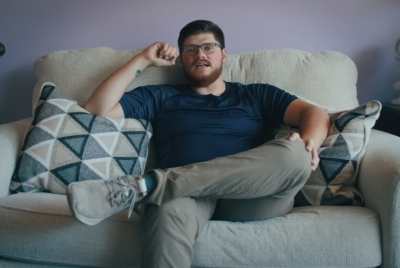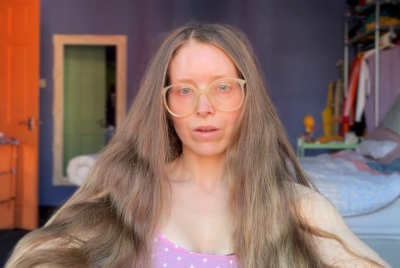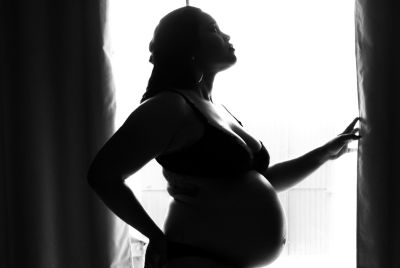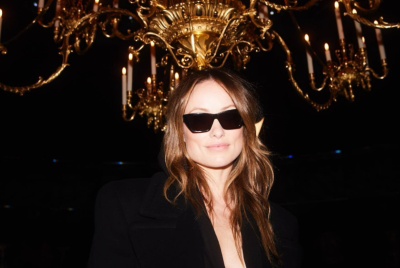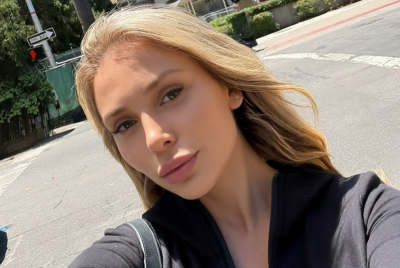
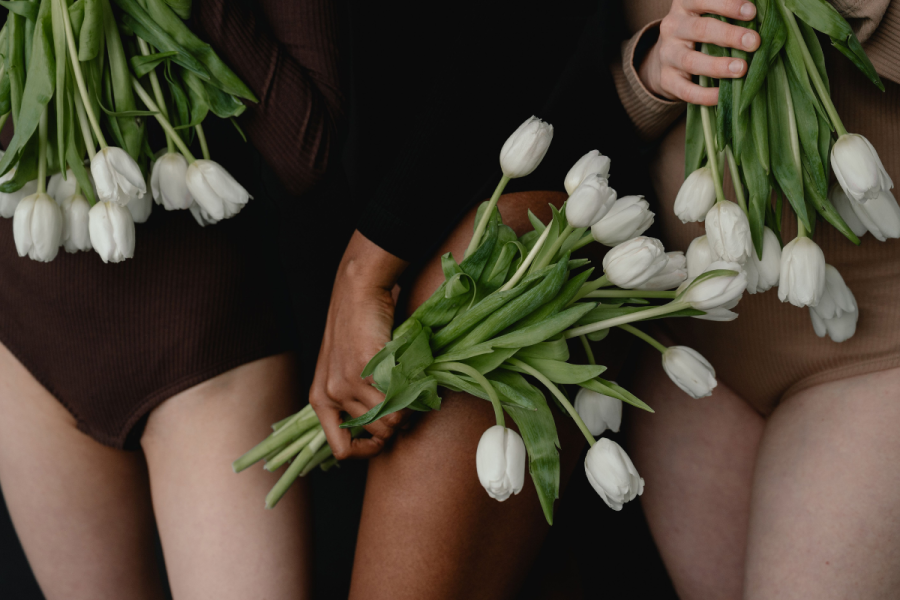
A Pinterest image questioning who really defines femininity has ignited a passionate online debate, prompting thousands of women to reflect on whether modern beauty standards are expressions of personal choice or expectations shaped by society.
Shared on Reddit's community, the post quickly gained traction after one user admitted they had been unable to stop thinking about an image comparing 'natural' femininity with a more polished, conventionally attractive version often associated with the male gaze. The discussion soon evolved into a broader conversation about body hair, ageing, make-up, fashion and the pressure many women feel to meet idealised standards of beauty.
The Pinterest Post That Struck a Chord
The original Reddit poster explained that learning about the concept of the 'male gaze' had fundamentally changed the way they viewed beauty standards. They argued that women who reject expectations surrounding hairlessness, flawless skin or carefully curated appearances are often labelled as 'disgusting', 'shameful' or 'unkempt'.
The post resonated widely, receiving more than 2,800 upvotes as hundreds of users shared personal experiences of navigating society's expectations. Rather than arguing that women should stop shaving or wearing make-up, many commenters stressed that acknowledging where beauty ideals originate is different from policing individual choices.
Several participants said recognising cultural influences does not prevent women from enjoying beauty routines, but instead encourages more honest conversations about why those preferences exist.
Posts from the feminism
community on Reddit
Natural Versus 'Manufactured' Femininity
One of the most discussed responses came from a user who said they felt they had rediscovered their 'true femininity' after spending time away from dating and reading Women Who Run With the Wolves by Clarissa Pinkola Estés.
They described their version of femininity as 'wild, unapologetic, natural and free', adding that their previous appearance had felt more like something designed to appeal to men than an authentic reflection of themselves.
Others, however, challenged the language used in the original Pinterest graphic. Several commenters argued that framing natural appearances as feminine and beauty routines as masculine oversimplified a far more complex conversation.
Instead, many preferred describing the comparison as one between 'natural femininity' and 'manufactured femininity', suggesting that conventional beauty ideals have been shaped by decades of advertising, fashion trends and cultural expectations rather than biology.
Beauty Standards Extend Beyond Appearance
The discussion also highlighted how beauty expectations can influence everyday life beyond social media.
One Reddit user shared that after overcoming acne, they stopped wearing heavy make-up and felt happier with their natural appearance. Despite that confidence, they admitted feeling pressure to present themselves more glamorously because beauty sellers and professional women who embraced traditional standards often appeared to receive greater recognition and opportunities.
Another commenter compared lipstick and cosmetics in the workplace to men's neckties, describing them as part of an unspoken dress code rather than a genuine personal preference.
The recurring theme was that beauty standards often function as social expectations, leaving many women feeling that choosing not to participate carries consequences.
The Debate Over the Male Gaze
The conversation repeatedly returned to the concept of the male gaze, a term popularised by film theorist Laura Mulvey to describe the way women are frequently portrayed through a heterosexual male perspective in media and popular culture.
Many contributors argued that beauty standards promoting hairlessness, youthfulness and flawless skin have become so normalised that they are often mistaken for natural expressions of femininity rather than cultural ideals.
Not everyone agreed with that interpretation. Some participants argued that femininity should not be defined solely in opposition to masculinity, while others pointed out that personal style is shaped by numerous influences, including culture, family, fashion, individual taste and self-expression.
Even among differing opinions, there was broad agreement that women should have the freedom to choose how they present themselves without facing judgement for either embracing or rejecting conventional beauty norms.
Why the Conversation Continues To Resonate
Although discussions surrounding beauty standards regularly resurface online, this particular post struck a nerve because it focused less on whether women should shave, wear make-up or dress a certain way, and more on why those expectations exist in the first place.
As fashion and beauty industries continue embracing more diverse representations of women, conversations like this reflect a growing willingness to question long-standing ideals rather than simply accept them. For many participants, the issue was never about banning beauty routines, but about recognising the cultural forces that influence perceptions of femininity and allowing every woman to define it on her own terms.