A woman's emotional video documenting her body transformation after pregnancy has gone viral, sparking a heated online debate about postpartum changes, motherhood and unrealistic expectations placed on new mothers.
The video, originally shared on Instagram by user Kate (@btwkatee), appears to have since been deleted. However, a reposted version on X gained widespread attention.
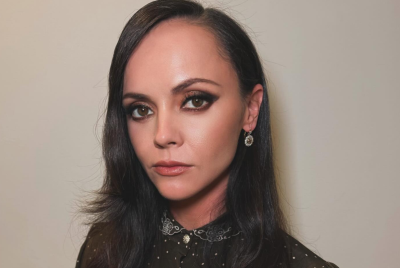
In the clip, she shared a glimpse of herself before pregnancy, looking confident, dressed up and wearing a full-glam look. The text over the footage read: 'I was so confident that pregnancy and motherhood wouldn't take my spark. Now I'm 6 months [postpartum] wondering who the woman I see in the mirror is.'
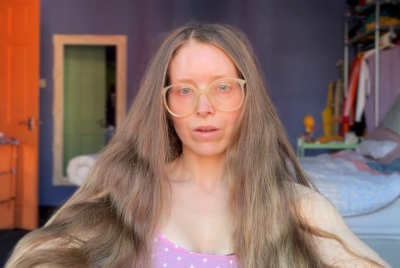
She then showed her current appearance six months after giving birth, wearing a simple black outfit, no makeup, and her natural curls on display. The video ended with a message that read: 'This is my day 1 to finding her again.'
No she literally need to sue the man AND the baby pic.twitter.com/PGl7vaaNNL
— BAMIDELE🕊 (@thenihiin) July 20, 2026
Viral Video Sparks Harsh Reactions
The vulnerable post quickly became a topic of discussion, with many social media users sharing strong opinions about the woman's postpartum body.
Some critics blamed her appearance on what they viewed as a lack of effort, with comments focusing on weight gain after pregnancy. One user wrote that she was 'too lazy to lose the baby weight,' while another claimed she had 'let herself go' when she could exercise at home.
Others criticised her lifestyle choices even without proof. One comment read: 'Of course she is fatty... Point is to eat high protein, minerals and vitamin rich food... Obviously she eat junk food.'
Another user argued that while weight gain during pregnancy is expected, still carrying extra weight six months after giving birth showed a lack of discipline and poor diet. The user added: 'Only person to blame is herself. It sounds harsh and selfish but it's the truth.'
Maybe get your ass in the gym and work it off?
— Bongwater (@steveelikespie) July 21, 2026
She the man? Because this is how she let herself go to present herself to him and the public? There are too many women that are beautiful that are mothers and remained beautiful afterward. This is her fault.
— Whowontessme (@ForeignRoller_) July 21, 2026
Sue who? You're funny.. Is it the pregnancy that made her that way or laziness and unhealthy diet.. When u get pregnant try dey doo exercise to maintain ur body shape a bit.. Even if you go add up it won't be worst like this..
— Wil_fredg | Torium Ambassador (@Wil_FredG) July 21, 2026
Others Call for More Compassion Online
While the video attracted criticism, many people pushed back against the negative comments and defended the woman's experience.
Some social media users highlighted that pregnancy and recovery affect every person differently, pointing out that hormonal changes, physical recovery and the demands of caring for a newborn can all influence a woman's body after childbirth.
One commenter called out the criticism, saying that anyone leaving negative remarks was being 'ignorant' and reminding others that 'all of us come from a woman.'
Another person questioned the reaction to such a vulnerable post, writing: 'Imagine posting something so vulnerable and everyone's ... calling your life their worst nightmare as if being postpartum isn't hard enough.'
The discussion also raised broader questions about why mothers are often expected to quickly return to their previous appearance instead of being given time to recover.
You’ll bounce back and be the best version of yourself ….. stay consistent and confident
— Los (@Los35743150) July 21, 2026
Any one with a negative comment is ignorant. You sent your mother though this dumb ass. All of us come from a woman. FYI: men, women literally have to change their estrogen to testosterone(god level shyte, torture on body)to create a male. Shallow Fks.
— Peaceful Beast (@KoryJones1973) July 21, 2026
Imagine posting something so vulnerable and everyone’s telling you to sue your baby/husband or calling your life their worst nightmare as if being postpartum isn’t hard enough
— jen 🌱 (@The_Jennaral) July 21, 2026
The Reality Behind Postpartum Body Changes
Medical experts say postpartum recovery is a gradual process that involves far more than weight changes. After childbirth, the body goes through significant physical and hormonal adjustments as it returns to its pre-pregnancy state.
According to the American College of Obstetricians and Gynecologists (ACOG), postpartum care involves monitoring physical recovery, mental health, breastfeeding concerns and overall wellbeing rather than focusing only on weight loss.
Hormonal shifts after birth can affect mood, energy levels, metabolism and body composition. Changes such as stretched abdominal muscles, fluid retention, breast changes and weight fluctuations are also common during the postpartum period.
The National Health Service (NHS) also notes that getting back into exercise after having a baby should happen gradually. Many women need time to rebuild strength and confidence after pregnancy and childbirth.
Health professionals generally recommend focusing on balanced nutrition, gentle movement, rest and medical guidance instead of rushing to meet appearance-based expectations.