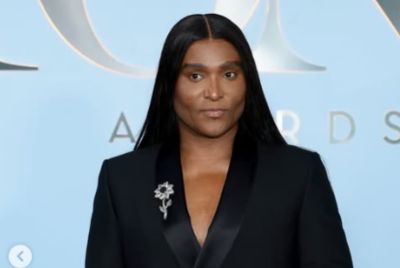

Anthony Fantano is facing fresh backlash after defending his brutal review of Halsey's The Great Impersonator, with fans accusing the YouTube music critic of playing victim after the singer called him out for mocking an album built around illness, mortality and survival.
The feud reignited on 21 June 2026 after Fantano, best known for The Needle Drop, posted a snarky comment widely read as a swipe at the backlash to his old review. Halsey, the Grammy-nominated singer behind 'Without Me' and Badlands, responded by saying even their 'least memorable song' would outlast anything he had done, adding: 'But at least I had the excuse of going through chemo.'
Halsey Turns a Music Review Into a Bigger Conversation
The argument goes back to 29 October 2024, when Fantano posted a nine-minute review of Halsey's fifth studio album, The Great Impersonator. He criticised the record's retro references, called some tracks 'bad Halloween costumes' and said the album had 'main character syndrome' before giving it a 1/10 score.
That might have stayed inside music-critic discourse, but Halsey's response made it feel much bigger than a bad review. For fans, this was not just about whether Fantano liked the songs. It was about how a male critic discussed an album inspired by a woman's serious health issues.
Halsey wrote: 'Who cares he gave a bad review? I care that a pay for clicks reaction YouTuber can facade as a pro critic and say it's "main character syndrome" for an artist to lament her medical suffering on an album about her own life.'
The 'Ego' singer also accused him of being a 'raised-by-4chan edgelord bully', a line that quickly became one of the most shared parts of the exchange. The insult cut because it touched a nerve around internet criticism, where 'honest reviews' can easily slide into performance cruelty.

Fantano Says He Is Not the Villain
Fantano later defended himself, insisting that his review was about the music, not Halsey's illness. He said he had stayed mostly silent about the reaction for nearly two years while fans pushed the idea that he disliked the album because Halsey was sick.
He also rejected the idea that he had targeted Halsey because of who they are or what they had gone through, saying there was no 'cartoonishly evil characteristic' behind his criticism. According to Fantano, his issue was with the songwriting and the way Halsey approached the artists and eras they were referencing.
That defence, however, did not land softly with everyone. Online, some users argued Fantano was now trying to recast himself as the misunderstood party after profiting from a harsh review of a vulnerable project.
The debate sharpened when Fantano added that he was 'not the devil himself' for disliking the album and said his criticism had nothing to do with Halsey being a woman. He pointed to other female artists he has supported, including Doechii and Megan Thee Stallion, as proof that the accusation did not fit his record.
Then Fantano appeared to mock the scale of the backlash himself. On 22 June 2026, he posted from his @theneedledrop account: 'i broke pop music 😭 i'm sorry.' The post had racked up more than 761,000 views by the time it was captured, while one verified user replied that it 'sounds like main character syndrome', turning Fantano's own dig back on him.

Why Fans Think This One Crossed a Line
What makes this feud stick is the emotional weight behind The Great Impersonator. The album was released in October 2024 and presented as a confessional concept record, with Halsey exploring identity, sickness, parenthood and the fear of not being around long enough to finish their story.
For listeners who connected with that vulnerability, Fantano's 'main character syndrome' comment felt less like music criticism and more like a dismissal of pain. Halsey underlined that point in another post, writing: 'Being a woman dealing with serious health issues often means being afraid of telling the truth about the pain you're in.'
That is why the backlash has spilled beyond album rankings. Halsey fans are not simply arguing that Fantano should have liked the record. They are arguing that criticism can still be sharp without making an artist's real suffering sound like vanity.
Fantano, for his part, appears unwilling to apologise for the score or soften his stance. But his 'cartoonishly evil' defence, followed by his 'i broke pop music' post, has only made the conversation more viral. It gives the internet exactly what it loves: a critic accused of cruelty, a pop star refusing to take it quietly and a deeply personal album suddenly dragged back into the spotlight.