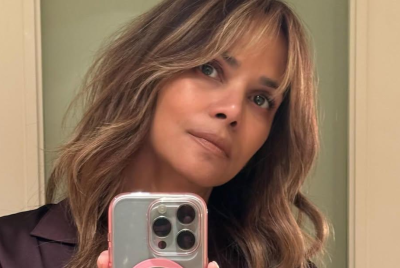
Becky Hill's appearance at the TRNSMT Festival has sparked widespread debate after sections of the crowd were heard booing during her set. The moment quickly gained traction online, with clips circulating across social media and igniting discussion about what audiences should expect from live festival performances in 2026.
The British singer, known for her chart-topping dance hits and festival-ready anthems, made a bold creative choice by focusing heavily on newer material rather than relying solely on her biggest songs. While some fans embraced the direction, others were visibly frustrated, expecting a set filled with familiar crowd favourites.
The reaction has since raised a bigger question within the music industry: should artists prioritise creative expression and new material when performing live, or is it the audience's expectation of hit-driven nostalgia that should define a festival setlist?
'I'm Not a Jukebox' — Becky Hill Responds
Following the backlash, Becky Hill defended her artistic choice, making it clear that she does not see live performance as a simple replay of her greatest hits.
Her statement highlights a growing tension in the music industry: the struggle between artistic evolution and audience expectation. For many artists, festivals are one of the few opportunities to introduce fresh material to large audiences. However, that ambition can clash with fans who attend expecting familiarity and nostalgia.
Fans vs Artists: A Growing Divide in Live Music
The reaction at TRNSMT reflects a broader issue affecting modern festivals. Many fans now expect high-energy sets filled with recognisable songs they can instantly connect with. At the same time, artists are under pressure to stay creatively relevant and avoid being locked into the same setlist formula for years.
This divide is becoming increasingly visible, particularly as clips of live performances circulate on social media within minutes. A reaction that once stayed within the festival grounds can now become a global talking point almost instantly.

The Impact of Viral Culture on Live Performances
In today's digital landscape, live music is no longer just about the audience in front of the stage. Every moment is captured, clipped, and shared across platforms like TikTok and X, often stripped of full context.
This means that a single reaction such as boos or crowd walkouts can quickly define the narrative of an entire performance. For artists like Becky Hill, this creates additional pressure, where creative risk-taking can lead to instant online backlash.
Are Festival Setlists Becoming Too Predictable?
The TRNSMT moment raises an important question for the future of live music: should festivals prioritise greatest hits, or allow more space for experimentation?
Some argue that festivals are built on shared moments and nostalgia, where audiences expect to hear the songs that made an artist famous. Others believe that restricting artists to hit-driven setlists limits creativity and prevents musical growth.
Becky Hill's experience sits at the centre of this debate, reflecting a growing tension between commercial expectation and artistic freedom.
A Conversation Bigger Than One Performance
Ultimately, the reaction at TRNSMT is not just about one setlist choice. It highlights a shifting relationship between artists and audiences in an era where every performance is instantly judged online.
As the music industry continues to evolve, the question remains unresolved: are fans attending to experience an artist's evolution, or simply to relive their biggest hits?
Becky Hill's performance may have divided opinion, but it has undeniably sparked a wider conversation about what live music should represent today.