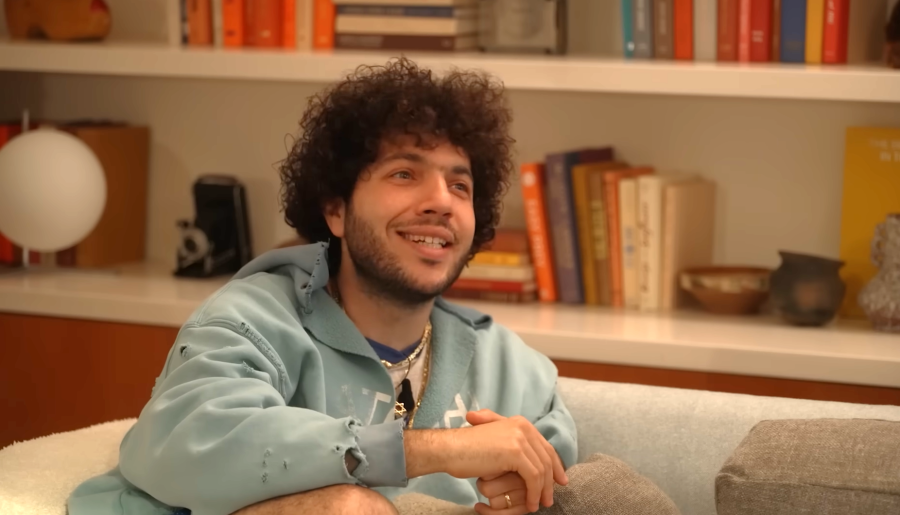
A seemingly ordinary moment on the premiere of Benny Blanco's new video podcast Friends Keep Secrets has ignited an unlikely online storm. Social media users are fixated on the music producer's visibly dirty bare feet during the episode's opening minutes.
Clips from the launch quickly circulated on platforms like X and TikTok, triggering a barrage of reactions. Also, it sparked a wider discussion about how personal hygiene influences attraction, first impressions, and public image.
The podcast was co-hosted by Blanco's close friend Dave 'Lil Dicky' Burd and his wife Kristin Batalucco. It was pitched as an intimate, free-form conversation series instead of a traditional interview show.
Within moments of the first episode, uploaded on 24 February, viewers noticed Blanco lounging barefoot on a couch, with his soles coated in dust and dirt. 'Not even a minute into this benny podcast and am in complete disbelief', one X user posted.
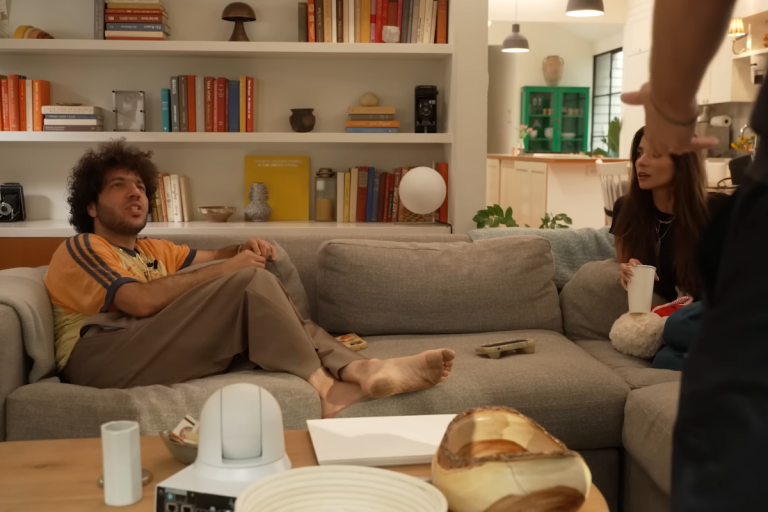
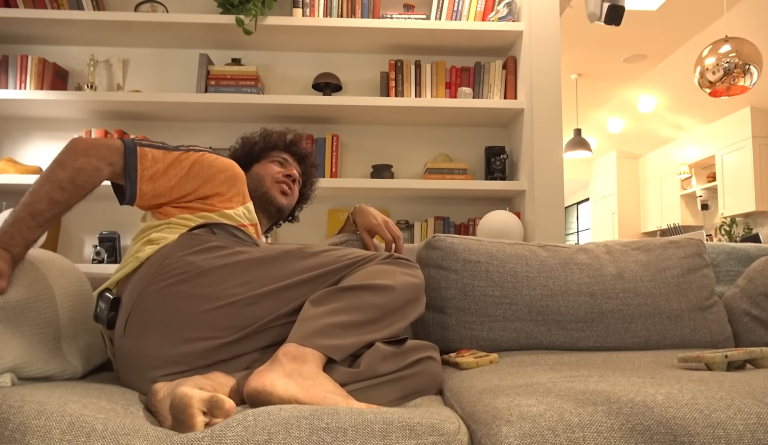
Social Media Reacts to Benny Blanco
While some fans defended the light-hearted nature of the show, many took Blanco's on-screen choice — whether intentional or not — as evidence of poor grooming. Clips and screenshots quickly spread across social media, with commenters even going as far as urging Blanco's wife, singer and actress Selena Gomez, to reconsider their marriage over perceptions of poor hygiene.
Although this reaction might seem extreme, it highlights how everyday aspects of appearance are now scrutinised in the digital age. With camera-ready content available for instant replay and 'meme-ification', even the smallest visual detail can shape public opinion and become shorthand for broader judgements about character and appeal.
Why Hygiene Matters to Attraction and First Impressions
Experts in psychology and social behaviour have long noted that hygiene plays an integral role in attraction and first impressions.
Beyond cultural norms about cleanliness, there are evolved biological mechanisms at work. Physical cues like body scent and grooming habits contribute to subconscious assessments of someone's health, vitality, and social suitability. Attractiveness is tied not only to facial symmetry or body proportions, but also to the overall presentation of care and cleanliness, which can influence perceptions long before a conversation begins.
Clean, well-groomed personal appearance functions as a kind of social signalling. It conveys self-respect, attention to detail, and respect for others — attributes that play a part in human relationship dynamics from friendship to romantic interest.
On the other hand, visible signs of personal disarray can generate discomfort or aversion, even in brief digital interactions.
Celebrity Persona vs Everyday Reality
For public figures like Blanco — a Grammy-winning producer and now podcast host — these reactions underscore the fragile nature of celebrity image management. While many listeners tuned in to hear the freewheeling banter and promised surprise guests, others were left fixated on a mundane detail that nonetheless became symbolic of broader expectations around grooming and public etiquette.
It's worth noting that Blanco's personal hygiene habits have occasionally surfaced in media coverage before. In interviews, he has spoken candidly about his relaxed approach to showering. He expressed unconventional views on how often he bathes and how he prefers to present himself.
While such frankness can be disarming, it may also collide with mainstream norms around cleanliness.
How Small Details Spark Big Debates
Beyond the jokes and memes, the online reaction to Blanco's feet points to something broader: How small, relatable aspects of everyday life intersect with celebrity culture in an era where visual media dominates.
The fact that dirty feet could spark debates about attraction, hygiene, and personal standards illustrates how vigilant audiences have become about authenticity, presentation, and the cues they use to judge others.
In the end, the Friends Keep Secrets premiere offered more than just casual conversation. Unintentionally, it reminded us that how we present ourselves, even in intimate or informal settings, still matters in the court of public opinion.