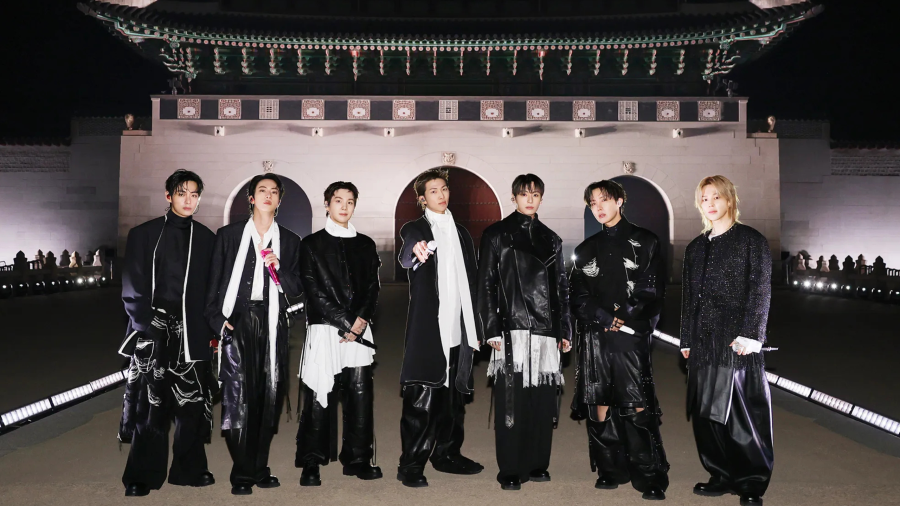
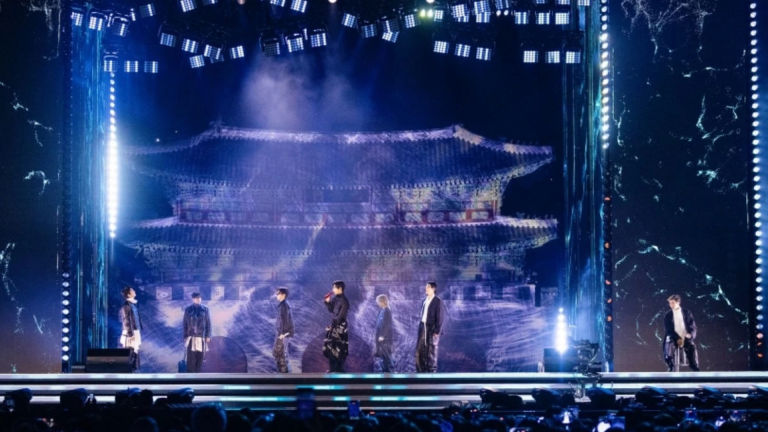
There was a sense of electricity in the air on 21 March as BTS returned to the stage at Gwanghwamun, the historic heart of Seoul. Fans spilt onto the square, cameras in hand, faces lit with excitement. This wasn't just a concert; it felt like a cultural awakening. The seven-member group had stepped back together for the first time since completing their military service, and every detail — from the choreography to the lighting — seemed to hum with anticipation.
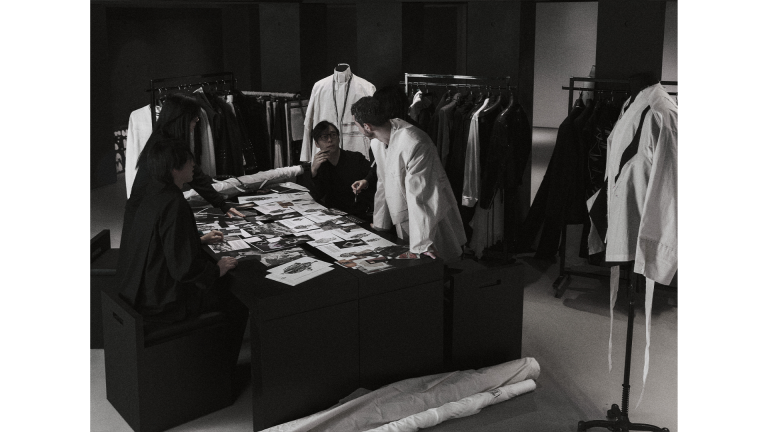
Yet amid the music, it was the costumes that lingered in memory. Designed by South Korean fashion label Songzio, the outfits transformed the stage into something that looked at once ceremonial, modern, and cinematic. Songzio calls the collection 'Lyrical Armour', and watching it live, the name suddenly made perfect sense. These were garments that moved, breathed, and told a story—a story of heritage, strength, and reinvention.
When Fashion Tells a Story
The Lyrical Armour collection takes cues from traditional Joseon-era clothing, but it doesn't replicate history. Instead, it interprets it, twisting and shaping it into asymmetrical silhouettes, flowing drapery, and sharp structural lines that feel both elegant and protective. It was as though centuries of Korean history had been distilled into movement and fabric.
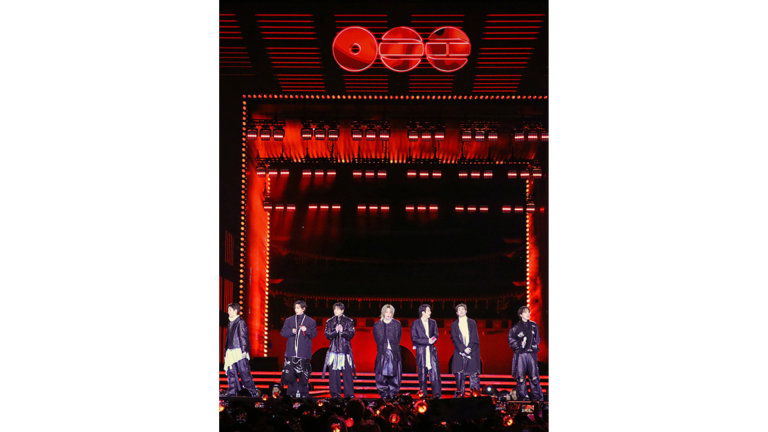
Seeing BTS move in monochrome black and white was striking. The simplicity of the palette allowed the clothing's architecture to shine. Black suggested strength and gravitas; white brought lightness and fluidity. With every spin and leap, the audience could see the careful thought behind each seam, each fold. The outfits didn't just sit on the performers—they enhanced the storytelling of the performance itself.
'I wanted the collection to reflect a new generation of heroes who carry Korea's history while shaping the future', Jay Songzio, CEO and creative director of the brand, told The Straits Times. 'BTS embodies that idea perfectly.'
Beyond the Spotlight
What made the stage so mesmerising wasn't just BTS themselves. Dancers, instrumentalists, and traditional vocalists were also clothed in designs that echoed the main collection, creating a sense of visual harmony. The costumes weren't accessories to the performance; they were integral, choreographing along with the music, forming a dialogue between movement, music, and design.
Walking through the square that evening, it was impossible not to notice how the garments captured the city's spirit—rooted in history yet undeniably modern. Watching the performers, one could sense the care that went into balancing authenticity with theatricality. There was a poetry in how the fabrics caught the light and shadow, how the lines and drapes accentuated each gesture.
A Global Fashion Statement
Songzio is no stranger to international audiences. With over 100 stores worldwide, including flagships in Paris and Seoul, and plans to open in New York later this year, the brand has been steadily building a global reputation. Partnering with BTS now feels like a natural extension of that trajectory. The exposure is unparalleled, turning what might otherwise be a performance wardrobe into a cultural ambassador for Korean design.
But it's more than just marketing. These outfits offer a conversation about heritage in a contemporary context. They ask viewers to consider how history can be worn, adapted, and celebrated without losing authenticity. In that way, fashion becomes narrative, and BTS — ever conscious of their cultural platform — becomes both performer and storyteller.
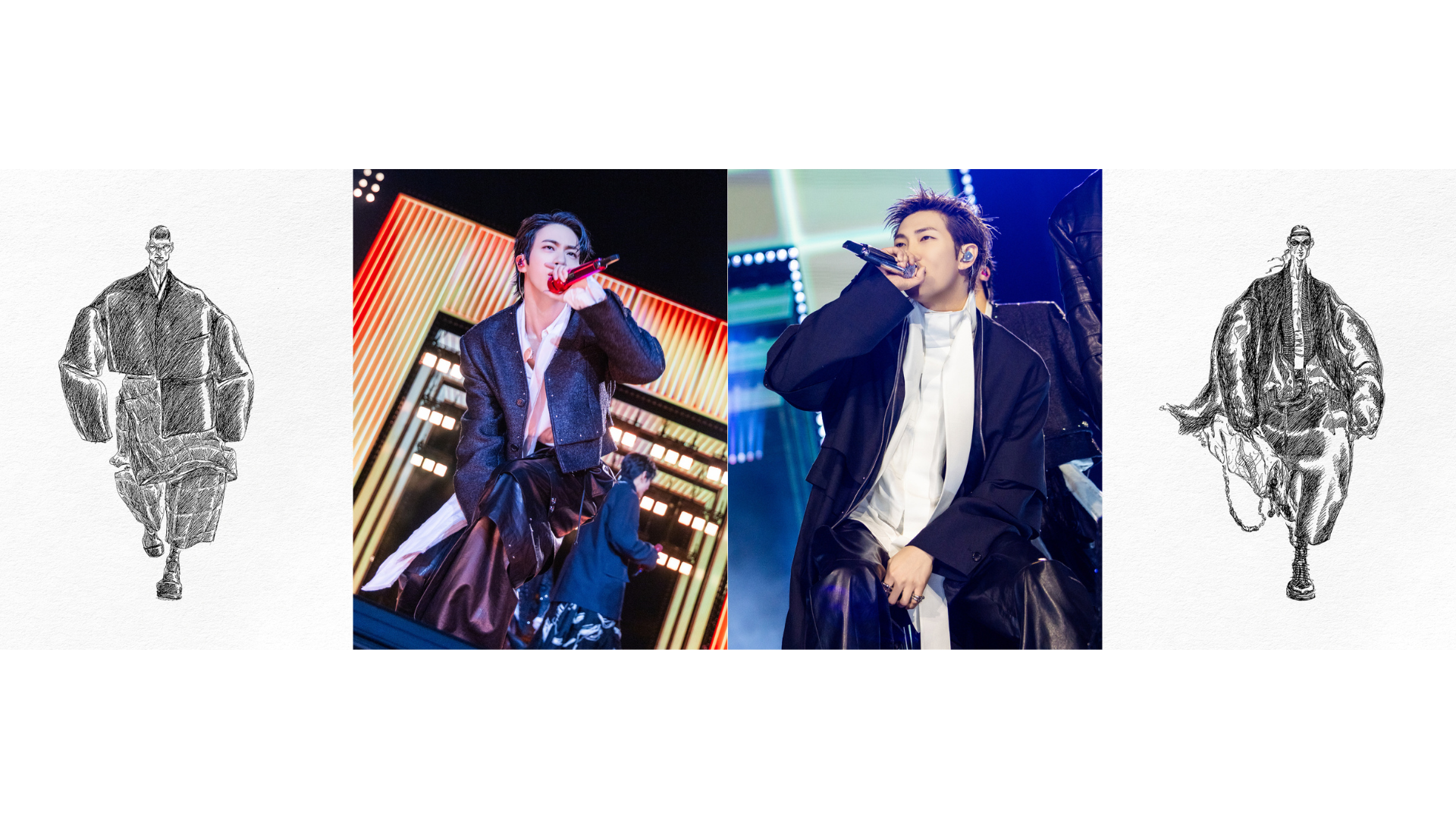
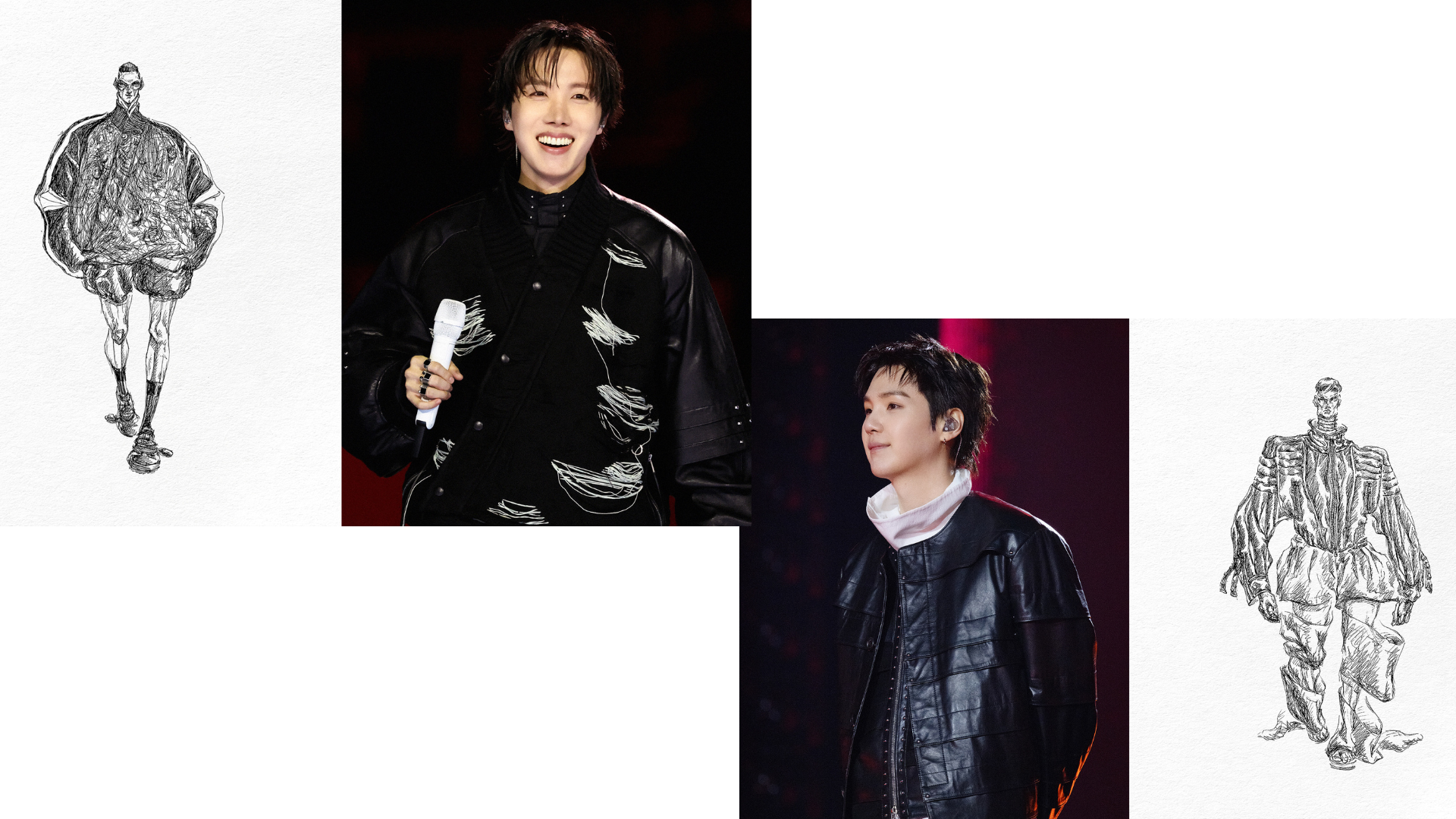
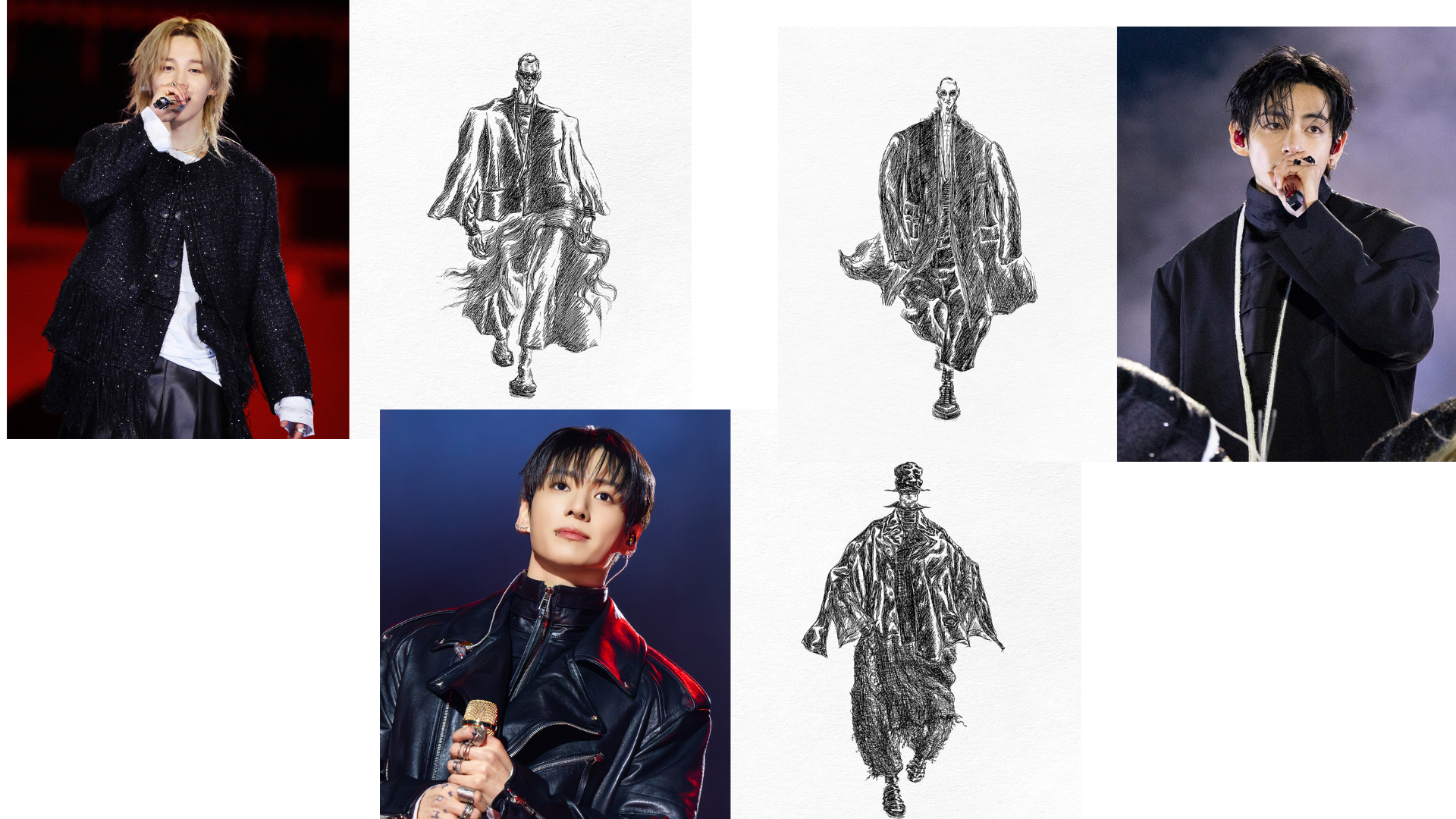
Lyrical Armour in Motion
The concept of armour is a powerful one. Traditionally, armour is meant to protect, yet here, it moves, it sings, it dances. Strong shoulders and tailored lines suggest resilience; flowing layers hint at vulnerability and grace. It's a juxtaposition that feels surprisingly human, reflecting the themes BTS have explored in their music for years—identity, growth, and transformation.
Fans noticed. Social media buzzed not only about the music but also about the fashion, with many praising the seamless way heritage and contemporary design intertwined. This was not spectacle for spectacle's sake; it was storytelling at a level usually reserved for museums or fashion runways, brought to a stadium, to a square, to millions of people at once.
Culture, Performance, and Memory
Performing at Gwanghwamun — a place steeped in history — added another layer. Surrounded by statues, monuments, and echoes of Korea's past, BTS's performance felt almost ceremonial. The costumes, the music, the choreography—everything seemed in dialogue with the space, reflecting a respect for tradition while embracing the energy of the present.
For international audiences watching online, the message was clear: Korean culture is vibrant, living, and capable of reinventing itself on a global stage. And perhaps more than that, it showed how music and fashion can work together to make history feel immediate and intimate.
Looking Ahead
As BTS continue their Arirang era and prepare for their global tour, Songzio's Lyrical Armour is likely to become one of the most talked-about collections of the year. Each city will experience a reinterpretation of Korean heritage, moving and singing through fabric and silhouette.
It's a reminder that fashion can do more than decorate—it can narrate, influence, and inspire. By bridging past and present, BTS and Songzio have created a performance that lingers in memory, not just for its music but for its daring, expressive, and deeply human vision.