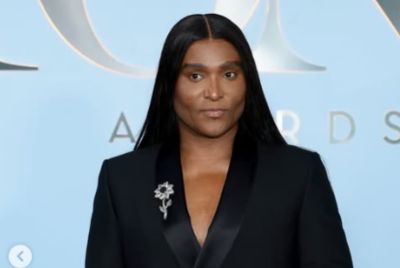
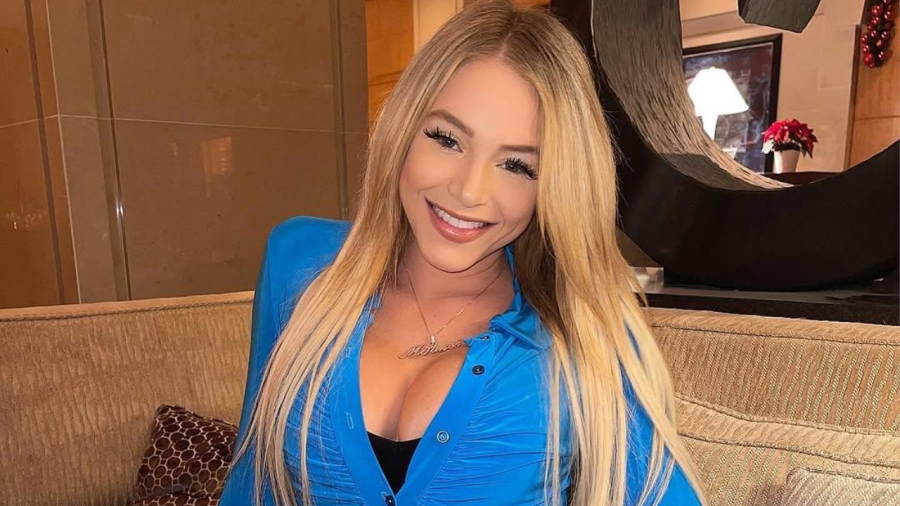
Four years after Christian 'Toby' Obumseli was fatally stabbed inside a Miami apartment, Courtney Clenney has admitted responsibility for his death and has been sentenced to six years in prison. The former OnlyFans model, who had already spent roughly four years behind bars, is expected to serve only around two more years under the plea agreement, followed by five years of probation.
The sentence brings a dramatic end to a case that attracted huge attention because of Clenney's online fame, the couple's troubled relationship and her insistence that she acted in self-defence. Once facing a second-degree murder charge, she instead pleaded guilty to manslaughter with a deadly weapon on Monday, 10 August 2026.
Clenney's Online Fame
Before the killing, Clenney had built a substantial following under the name Courtney Tailor, particularly on Instagram and OnlyFans. Her social media presence meant that the case quickly became far more than a local criminal investigation, with her public profile keeping attention on the proceedings throughout her years in custody.
That fame also became part of the story surrounding her arrest and prosecution, as millions of people already recognised her name and image. She had been held in custody since 2022, turning the case into a long-running story that finally reached its conclusion through a negotiated plea rather than a jury trial.
Obumseli's Fatal Wound
Obumseli was killed on 3 April 2022, inside the Miami high-rise apartment he shared with Clenney. An autopsy found that he died from a single stab wound to the chest that was around three inches deep and punctured a major artery.
Clenney was arrested days later in Hawaii and was eventually charged with second-degree murder. Prosecutors maintained that she was responsible for the fatal stabbing, while her defence prepared to challenge the circumstances surrounding the wound and argue that she had not intended to kill Obumseli.
Clenney Maintained She Acted in Self-Defence
Throughout the case, Clenney said she had acted to protect herself during an altercation and claimed she threw a knife towards Obumseli rather than deliberately stabbing him.
Her lawyers were preparing to present evidence that they said showed she had experienced repeated abuse during their relationship.
Those allegations included claims of being punched, shoved and injured during arguments, as well as incidents in which she said her shoulder was dislocated and her ribs were fractured.
Obumseli's family strongly rejected her version of their relationship and maintained that he was the victim, leaving the competing accounts at the centre of the case.
Their Troubled Relationship
Clenney's defence had planned to use text messages and other material to support its account of the relationship. The evidence was expected to include allegations of physical and emotional abuse, giving jurors a detailed look at the events leading up to the fatal confrontation.
Obumseli's family, however, consistently disputed the portrayal of him as an abusive partner. The conflicting accounts were never fully tested before a jury because the plea agreement removed the need for a murder trial, bringing years of legal preparation to an abrupt end.
Her Parents Were Also Pulled Into the Case
The legal saga became even more complicated in 2024 when Clenney's parents, Kim and Deborah Clenney, were arrested over allegations involving unauthorised access to Obumseli's laptop. The case against them was later dismissed after a judge found prosecutors had violated attorney-client privilege by reviewing the family's messages.
The incident added another extraordinary chapter to an already complicated prosecution. It also demonstrated just how far the case had expanded beyond the fatal stabbing, with Clenney's family becoming directly involved in the legal fallout surrounding Obumseli's death.
Six Years Means Around Two More Years Inside
Clenney's plea deal dramatically changed her legal position, replacing the second-degree murder charge with manslaughter with a deadly weapon. Judge Andrea Ricker Wolfson sentenced her to six years in prison, followed by five years of probation, while giving her credit for the roughly four years she has already spent in custody.
That means the six-year sentence does not translate into six fresh years behind bars. With her time already served credited towards the sentence, Clenney is expected to spend roughly two more years in prison. However, credits could shorten that period further before she begins her five years of probation.
For Obumseli's family, the plea brought an end to a painful legal chapter, but not the loss itself. His mother, Chio Obumseli, made clear at sentencing that no prison term could restore her son. Nonetheless, the guilty plea at least brought the accountability the family had spent years waiting for.