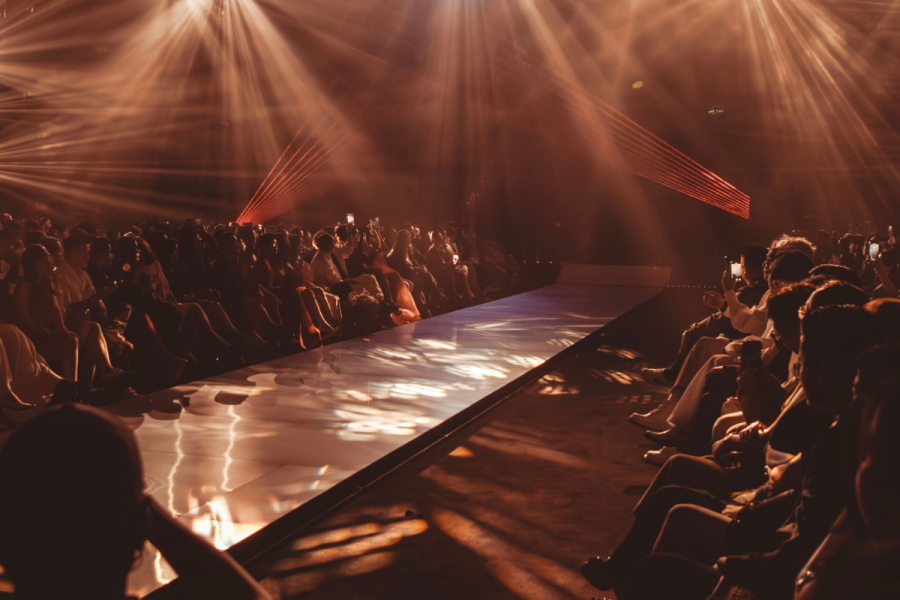
Paris Couture Week gave fashion fans one of its biggest talking points when Duran Lantink unveiled his first haute couture collection for Jean Paul Gaultier on 8 July. The Dutch designer became the house's first permanent creative director since 2020, making the show one of the most watched events of the season. His debut mixed the bold spirit of Jean Paul Gaultier with his own playful and experimental style.
The Fall/Winter 2026 collection quickly became one of the week's most discussed runway shows. Critics praised its fearless ideas and creative energy, while some fashion fans questioned whether the dramatic looks were too unusual to wear. Even so, the collection made it clear that Lantink wanted to push the famous French fashion house into a fresh new chapter.
A Historic Style Meets the Future
Lantink looked to the Palace of Versailles and Marie Antoinette for inspiration, but he did not simply recreate history. Large gowns, rich embroidery, and classic French details appeared beside modern shapes and futuristic materials. The mix created a runway that felt both old and new at the same time.
Jean Paul Gaultier couture aw26. This is Duran Lantink's first couture collection for the house! pic.twitter.com/iPJIHylJ0u
— linda (@itgirlbackup) July 9, 2026
Technology played a major part in the collection. Some looks featured 3D printed structures that wrapped around the body like armour, while others used sculptural corsets that seemed to grow from the garments themselves. One custom piece was created after model Leon Dame was scanned to build a fitted body shell.
Details from Jean Paul Gaultier Autumn / Winter 2026 Haute Couture by Duran Lantink. pic.twitter.com/sO6RHVzdRg
— gastt Fashion (@gastt_fashion) July 8, 2026
The designer also revisited famous Jean Paul Gaultier signatures in unexpected ways. Cone bras appeared in new positions across the body, striped fabrics returned, and denim jackets were rebuilt using upcycled materials. Patchwork, layering, and unusual construction gave many outfits a handmade but futuristic feel.
Runway Looks Spark Praise and Debate
Many outfits challenged the usual rules of dressing. Jackets became oversized hoods, tulle burst from surprising places, and feather columns stretched high above the models. Some dresses looked almost like moving sculptures instead of traditional clothing.
THESE looks of ✨️Jean Paul Gaultier✨️ Fall/Winter 2026 Couture.🪡 pic.twitter.com/ulmjfkGIua
— La Mode Unknown (@LaModeUnknown) July 8, 2026
The colour story also stood out throughout the collection. Shades of burgundy, royal blue, mint green, and bright flamingo pink appeared beside black gowns with huge tulle trains. Latex torsos painted with tiny beauty marks, leather bustiers, velvet trousers, and oversized jewellery added even more drama.
Fashion critics largely welcomed the collection's bold direction. Many described it as playful, strange, and full of fresh ideas during a season where several couture shows looked more traditional. Others admitted that while the creativity was exciting, some designs might be difficult for couture clients to wear outside the runway.
Fashion Fans Remain Split After the Show
Reactions across social media reflected the show's daring nature. Many users celebrated Lantink for bringing new life to Jean Paul Gaultier and praised the collection's fearless mix of craft and technology. Others called it one of the strongest couture debuts in recent years because it respected the brand's rebellious history while still feeling different.
Not everyone was convinced by the extreme styling. Some viewers said several outfits looked more like art projects than wearable fashion, while others felt the oversized shapes distracted from the fine couture craftsmanship. The unusual silhouettes became one of the biggest talking points after the show ended.
What a showing from Jean Paul Gaultier Fall 2026 Couture by Duran Lantink!🔥
— LEGENDARY LADE! 🇳🇬 (@LegendaryLade) July 8, 2026
The Enfant Terrible has ARRIVED!🔥 pic.twitter.com/zMkt4H7Krs
Even with divided opinions, few questioned the impact of Lantink's debut. His collection reminded audiences that haute couture can still surprise people and start conversations. Whether loved or criticised, the show placed Jean Paul Gaultier back at the centre of fashion's biggest discussions and signalled an experimental future for the iconic house.