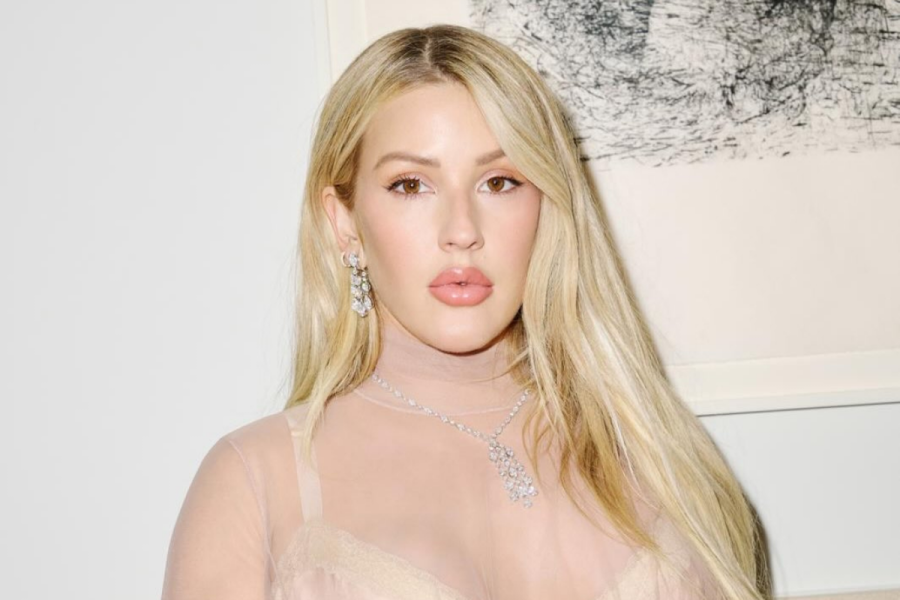
Ellie Goulding's return to the gym just three weeks after the birth of her second child has caused conversation on social media. She welcomed her baby girl on 6 March with boyfriend Beau Minniear.
The 39-year-old British pop star was seen doing weighted squats and documenting other aspects of her post-birth routine ahead of her upcoming music release. The post was shared to fans on Instagram with a caption: 'Back to it all over again.'
Alongside her fitness clips, Goulding also posted a photo of herself using a high-end £280 LED Neck & Décolleté Mask as part of her beauty regimen.
Reportedly, she has delayed the release of her sixth studio album to coincide with her new baby's arrival. This means she's juggling recovery, promotional activities, and motherhood simultaneously. This rapid return to her usual lifestyle has fuelled discussions about postpartum recovery standards.
Working Out After Childbirth
Medical guidance on exercising after childbirth emphasises a cautious and individualised approach, not just a strict timeline.
Determining how quickly a person can return to physical activity depends on the nature of their delivery. Were there any complications? How does their body feel? Even in uncomplicated vaginal births, doctors often recommend starting with gentle movements and consulting a health professional before resuming moderate to intense exercise.
Low-impact activities such as walking can begin when it feels comfortable. Moderate-to-high intensity training, especially involving heavy weights, is usually delayed until after a six-week check-up and medical clearance. Experts emphasise rebuilding core stability and pelvic floor strength slowly and listening carefully to the body's signals to avoid strain or injury.
There's also a growing push for a more comprehensive approach to postpartum recovery. New mums are urged to gradually accumulate regular moderate exercise, such as two hours per week, while combining it with pelvic floor training and enough rest to preserve overall well-being.
Could You Do This Too?
Goulding's return to the gym at three weeks after childbirth is certainly earlier than what many health professionals typically recommend. In fact, traditional postpartum advice often encourages mothers to prioritise light activities and recovery in the first six weeks, stepping up intensity only after medical clearance.
The situation, however, varies depending on the person. Some women may feel ready to start light resistance or core exercises relatively soon, while others need months before resuming moderate training. Factors such as prenatal fitness levels, the type of delivery, and conditions like abdominal separation (diastasis recti) all influence how soon a new mum can safely return to rigorous gym routines.
Moreover, you should not compare yourself to celebrity posts online. What looks like a seamless return in a curated video might involve personal trainers, medical guidance, or unique circumstances that don't reflect the average postpartum experience.
What's important is to listen to your body, start slowly, and seek professional advice for a safe and sustainable return to gym fitness.
Balancing Health and Career
Goulding's return to work and the gym so soon after giving birth highlights the pressures new mothers face in balancing health, career, and personal expectations. Her journey sparks conversation about how society supports postpartum recovery and what returning to fitness realistically looks like.
Experts emphasise that postpartum goals should focus on gentle movement, adequate rest, and prioritising both physical and mental well-being. There is no one-size-fits-all timeline. Also, recovery is highly individual, influenced by different factors.
The singer's experience serves as both inspiration and a reminder that progress is not just as simple. Sustainable and health-centred recovery is key, instead of a rapid return to previous fitness levels.