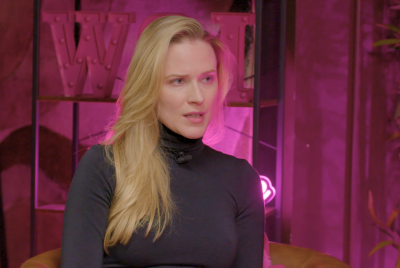
Former tradwife influencer Tia Levings has described the marriage she once portrayed online as wholesome as 'church-sanctioned domestic abuse'. The author is among women challenging a lifestyle they once embraced or promoted, as a report published on Wednesday, 4 November, brought renewed attention to accounts of alleged violence, divorce and financial insecurity.
Jennie Gage says she left a 24-year marriage without financial security after years without her own bank account. Bernadine Bluntly, once a vocal advocate of female submission, has also rejected extreme gender roles following her divorce and apologised for her past messaging.
Why Are Former Tradwife Influencers Speaking Out?
Levings, author of A Well-Trained Wife: My Escape from Christian Patriarchy, married at 19 and raised four children within fundamentalist Christian communities. She says religious advisers encouraged her to become more submissive when she sought help over abuse. She escaped with her children in October 2007 and now discusses how religious teachings can be used to justify coercive control.
Levings uses the phrase 'church-sanctioned domestic abuse' to describe her experiences within high-control religious communities. In an interview broadcast in February 2026, she described experiencing physical, emotional, financial, spiritual and psychological abuse. Her story also features in Shiny Happy People: Duggar Family Secrets, a documentary series examining religious fundamentalism.
A woman whose community follows the teachings of Pastor Doug Wilson explains she was "punished" by her husband for not being submissive enough:
— FactPost (@factpostnews) February 19, 2026
"I call it church-sanctioned domestic abuse." pic.twitter.com/HfVIiwzJdw
Bluntly, whose surname is Barber, previously sold 'RIP Feminism' T-shirts and created a course teaching women how to attract traditionally masculine husbands. She left her marriage in 2025, with the divorce finalised in 2026. She obtained a restraining order against her former husband, whom she accused of abuse; he denies the allegation.
In an April Instagram video titled 'What I Got Wrong About the Trad Movement', Bluntly said: 'I no longer believe in extreme gender roles'. She remains Christian but rejects the use of religious language to justify control or harm. She also apologised if her previous content had contributed to those ideas.


A 24-Year Marriage and No Bank Account
Gage, 52, a mother of five from Arizona, says her former husband controlled spending while she raised their children and managed the household. She recalls receiving cash for groceries and returning items if she exceeded the allowance. After leaving in 2018, she says she borrowed money and crowdfunded legal fees. Her former husband has previously offered a different account of their relationship.
Her account contrasts with online videos of homemade meals, spotless kitchens and carefully styled family life. In a 2024 TikTok video, Gage said she was working three minimum-wage jobs to afford rent. Her caption carried a warning to younger women: 'A man is not a plan!'
Gage now uses her LifeTakeTwo platform to discuss starting over and the risks of giving up financial independence. She encourages women considering full-time homemaking to secure legal protections, retirement savings and money in their own names. The former Mormon homemaker says she wants other women to understand the potential cost of relying entirely on a partner.
Behind the Tradwife Aesthetic
The tradwife trend frequently mixes vintage-inspired dresses, elaborate cooking and pastoral imagery with conventional ideas about marriage. Yet sharing homemaking videos does not necessarily mean a creator supports religious submission or the politics associated with the movement. Model and lifestyle creator Nara Smith, for example, has distanced herself from the tradwife label.
An April 2026 study in Psychology of Women Quarterly identified two forms of 'de-tradding': rejecting the label while maintaining a traditional lifestyle, and leaving the lifestyle itself. Researchers associated the latter with accounts of domestic violence, infidelity and unequal power in relationships. Levings, Gage and Bluntly have described different experiences, but all now challenge the version of womanhood they once embraced.