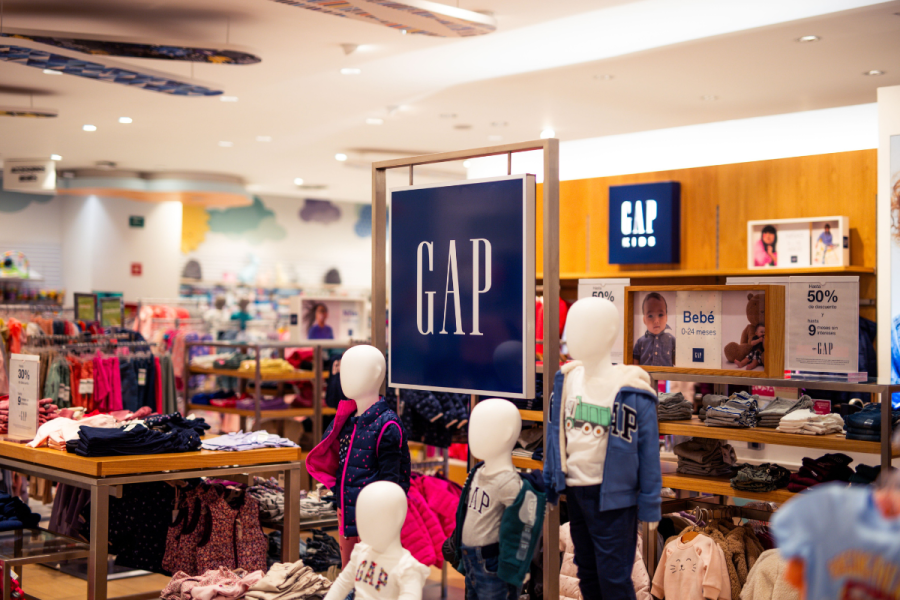
Gap is attempting a major retail revival as the iconic American fashion brand prepares to open a new store in New York, years after a wave of closures forced the company to rethink its future.
The retailer is set to launch a new Gap Factory location at the Poughkeepsie Galleria in New York State, taking over the former Forever 21 unit. While an exact opening date has not yet been confirmed, the move marks another step in Gap's strategy to rebuild its physical retail presence after reducing its store network across North America.
Once one of the world's most recognisable fashion names, Gap became synonymous with American casual style, known for its denim, hoodies, logo sweatshirts, and celebrity-led campaigns.
But the brand has struggled to maintain the cultural influence it enjoyed at its peak in the 1990s and early 2000s, as online shopping, shifting consumer habits, and rising competition transformed the fashion industry.
Now, Gap is betting that nostalgia, affordable fashion, and a renewed focus on its classic identity can bring shoppers back.
The question is whether the retailer can recreate its former popularity, or whether a new generation has already moved on.
Gap Rebuilds Its Retail Footprint After Years of Closures
The new Poughkeepsie Galleria store will operate as a Gap Factory outlet, offering clothing designed specifically for the outlet channel rather than simply selling leftover stock.
Gap has previously stated that its Factory stores do not sell 'overstock, last season's trends, or flawed product', instead offering exclusive collections at more accessible prices.
The opening comes as Gap Inc. continues to reshape its retail strategy following years of challenges. The company previously announced plans to close hundreds of Gap and Banana Republic stores across North America as part of an effort to create a 'smaller and healthier fleet of stores'.
The brand's struggles reflect wider changes in fashion retail, with customers increasingly shopping online and younger competitors gaining attention through social media.
Despite these challenges, Gap continues to rely on its biggest strength: its heritage. The brand's simple, everyday pieces remain popular among shoppers looking for timeless wardrobe staples.
The company has also worked to rebuild interest through collaborations and refreshed marketing campaigns, aiming to attract younger customers while keeping its loyal fan base.
Opening a new location while closing older stores shows Gap's changing strategy—focusing less on the size of its retail network and more on locations where it sees potential.
Can Gap Turn Nostalgia Into a Fashion Revival?
Gap's comeback attempt comes as other established fashion brands try to reconnect with consumers through nostalgia.
For many shoppers, Gap represents more than clothing. Its iconic campaigns, celebrity partnerships, and logo designs helped define casual fashion for decades.
However, today's fashion market is far more competitive. Consumers now have endless choices, from affordable high-street retailers to online brands built around fast-moving trends.
Companies such as Uniqlo, H&M, and Zara have captured shoppers searching for affordable everyday clothing, increasing pressure on traditional retailers like Gap.
The challenge for Gap will be proving that it can appeal to modern customers rather than simply reminding older shoppers of its past.
The Poughkeepsie Galleria opening gives the brand an opportunity to reconnect with consumers in-store and to use its Gap Factory format to attract value-conscious shoppers.
The move follows the closure of Gap's long-running Santa Monica store in California after more than 50 years, with the company saying the decision was linked to the end of its lease.
For Gap, the latest opening is both a comeback attempt and a test of whether its famous name still carries influence.
The brand has recognition, history, and loyal customers—but winning back today's shoppers will require more than nostalgia. It will need to prove that Gap still belongs in the future of fashion.