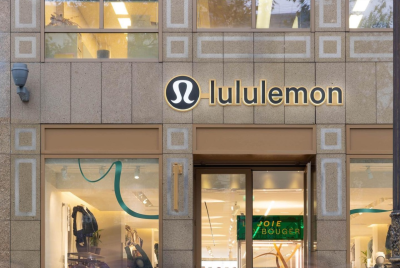

Lululemon founder Chip Wilson is facing renewed scrutiny over the origins of the activewear brand's name after resurfaced details about his naming strategy emerged following his controversial remarks at a recent leadership conference in Calgary. Wilson has previously explained that he deliberately favoured a name containing three 'L's, believing the sound would make the label appear more authentically North American to Japanese shoppers.
The details have resurfaced amid widespread backlash over Wilson's comments at the Calgary conference, where he sparked outrage with remarks about women, pregnancy and maternity leave. Attention has since turned to his past statements, including a remark attributed to him in a 2004 interview in which he reportedly said it was 'funny to watch' Japanese people try to pronounce the name. Wilson denied making that particular comment. However, his written account of the naming process confirms that Japanese pronunciation and the letter 'L' influenced his thinking.
The distinction is important: Wilson's own account supports the claim that Japanese pronunciation played a role in his branding strategy, but the alleged mocking remark remains disputed.
Why the Name Had Three 'L's
In his book, The Story of Lululemon, Wilson explained that he had previously been involved with Homless Skateboards, a brand that attracted interest in Japan. He believed Japanese consumers associated names containing the letter 'L' with North American or Western products because the sound is not part of Japanese phonology.
Wilson wrote that the letter made brand names sound 'more exotically North American/Western' to young Japanese consumers. He said he began experimenting with alliteration and names containing multiple Ls while developing his yoga clothing business.
Lululemon was one of around 20 possible names he considered. According to his account, a group of 100 women later selected the name from the options presented, while the logo was chosen from another concept.


The Remark That Sparked Backlash
The controversy intensified after Wilson was quoted in a 2004 interview with National Post Business Magazine as saying: 'It's funny to watch them try and say it.' The quote was widely repeated in later coverage and became a focal point of criticism over the brand's origins.
Wilson subsequently denied making the remark, according to reports. That denial means it should not be presented as an undisputed statement. Nevertheless, the underlying explanation about the letter 'L' appears in his published account, giving the story a documented basis beyond the disputed quotation.
The Japanese language does not traditionally distinguish the English sounds 'L' and 'R' in the same way English does. Japanese speakers commonly approximate both using a sound represented in romanisation as 'r'. That linguistic difference is often simplified in online retellings, but it helps explain the background to Wilson's naming strategy.
Lululemon Has Distanced Itself From Its Founder
The comments have continued to attract criticism because of their perceived racial implications. In 2021, Lululemon responded to criticism about the name by saying Wilson had not been part of the company for many years and that the remarks did not represent the business's present or future.
Wilson left the company's board in 2015, although he has remained a prominent shareholder and occasional critic of its leadership. The company was founded in Vancouver in 1998 and has since become a global retailer.
Ultimately, the name was not selected simply because Japanese people supposedly could not pronounce it. Wilson's account describes a broader branding calculation: he thought the letter 'L' could signal an overseas identity that appealed to Japanese consumers. The more provocative quotation remains contested, but the role of Japanese phonetics in his thinking is documented.