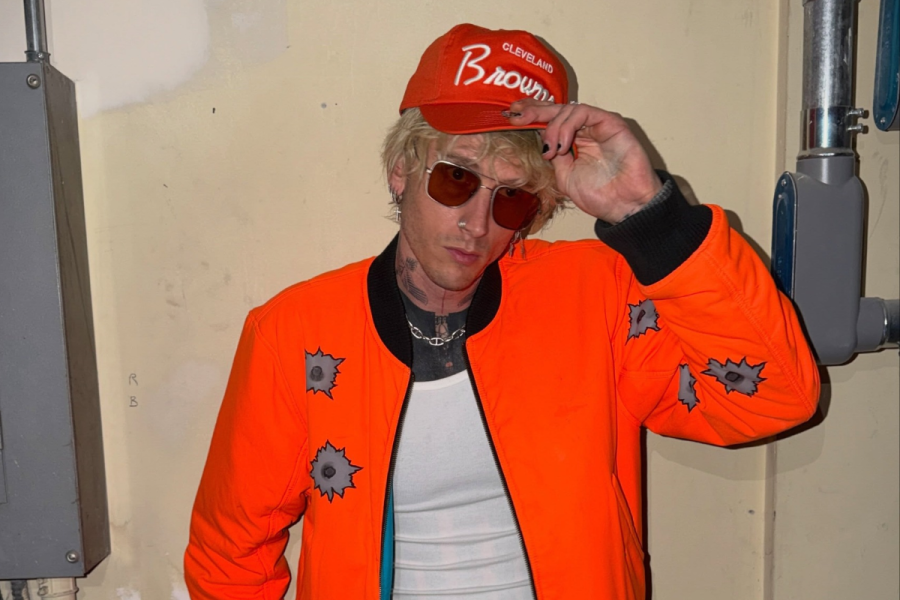
Machine Gun Kelly has drawn criticism after mocking a man who reportedly underwent anaesthesia for a full-body tattoo, claiming he had not 'earned' the ink. The musician's post on X included a homophobic slur, turning a dispute about tattoo culture into an argument about language, masculinity and who gets to judge body art.
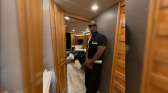
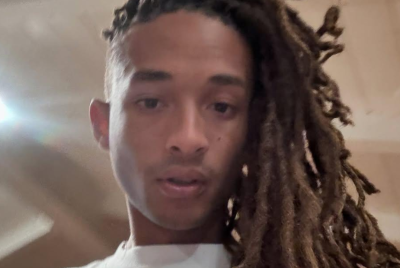
The exchange began on 10 November 2026, when MGK, whose real name is Colson Baker, responded to a post by Turkish account Boşuna Tıklama. The account shared footage described as showing a young man after receiving a body-covering tattoo under anaesthesia. The man's identity, tattoo artist and procedure location have not been independently confirmed.
What MGK Said
'You didn't earn that ink. Got put to sleep and wore a diaper for a tattoo, I hope you shit yourself you f*ckn fairy,' MGK wrote.
He was responding to the account sharing the footage, not to a verified post by the tattoo recipient.
Someone reported the post on 11 November. Replies questioned MGK's suggestion that pain determines whether someone deserves a tattoo. Others challenged the macho attitude behind treating pain tolerance as proof of authenticity. His use of 'fairy', a slur historically directed at gay men and men perceived as feminine, also drew criticism.
The wording was widely read as homophobic, shifting attention from MGK's argument. His intent cannot be established beyond his post on X that day.


MGK's Own Tattoo History
MGK has spoken about enduring an extensive blackout tattoo without anaesthesia. During an August 2024 appearance on the Impaulsive podcast, he described the experience as exceptionally painful and estimated that it took around 70 hours.
Created by artist ROXX, the design covers much of his arms, chest and stomach, obscuring earlier tattoos. In a 2026 interview with Billboard Canada, MGK said ROXX had warned that the project would normally take about two years. He pushed to complete it in two months.
He recalled becoming seriously unwell. 'My skin was turning yellow. I wasn't able to sleep. I stopped being able to move certain parts of my upper body,' he told Billboard Canada, describing symptoms after the first week. His account helps explain his views about tattoo pain, but does not make his approach a standard others must follow.
The Medical Risks of Tattoo Anaesthesia
Anaesthesia for tattooing carries genuine medical risks. The American Society of Anesthesiologists (ASA) says it should follow the safety precautions used for any elective medical procedure. It advises that anaesthesia be provided by a qualified professional in a properly equipped, licensed facility, not a tattoo studio.
The ASA notes that general anaesthesia can affect breathing and heart rate, and complications can be serious. People may consider it for long or complex sessions to reduce pain or appointments. This guidance does not establish whether the man in the footage received appropriate care. No verified details about his medical arrangements have been made public.
A Debate About Pain and Personal Choice
Reactions exposed a divide within tattoo culture. Some see enduring pain as part of their experience; others argue that a tattoo's value lies in its design and meaning, not the discomfort involved. Critics questioned why pain tolerance should become a test of authenticity.
MGK can say he would not choose anaesthesia for his tattoos. But that preference does not give him authority over another person's body art. The medical risks deserve consideration, while the recipient's identity and circumstances should not be guessed at. A tattoo does not need to be painful to be meaningful.