
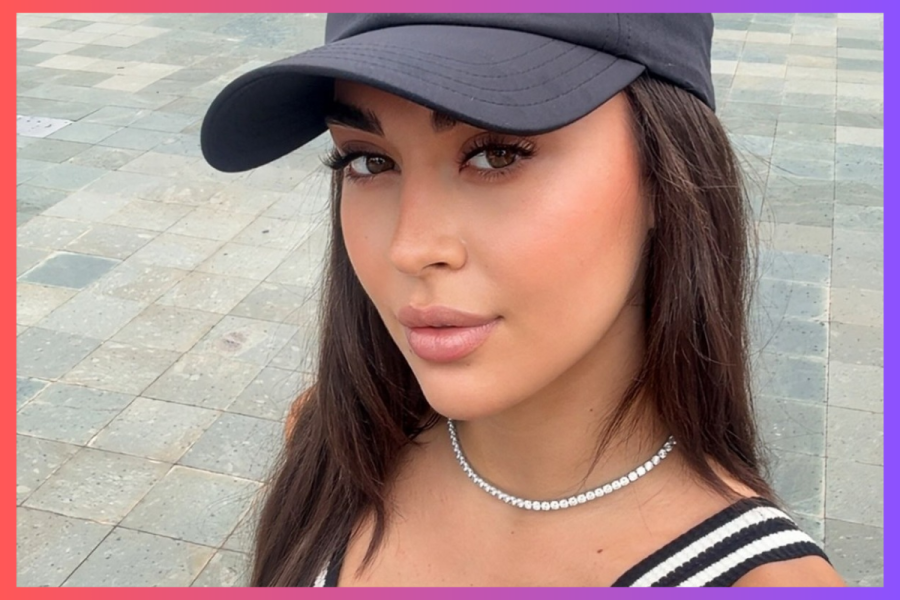
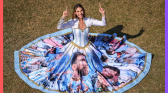
Miss Lebanon Perla Harb has come under fire after her national costume at the 2026 Miss Universe competition sparked heated reactions online. The outfit, which featured large wings covered in images of Lebanese cultural figures and landmarks, was mocked by viewers who questioned its design and quality.
One critic claimed that the images looked like an AI-generated collage printed on a foam board. The post quickly drew attention, with others joining the debate over whether the costume did justice to Lebanon's rich history and fashion industry.
Costume Sparks Backlash
Harb wore the costume during the Miss Universe national costume competition on 21 November in San Juan, Puerto Rico. Titled 'Wings of a Nation', the outfit aimed to show Lebanon's history, culture and national identity through a mix of famous figures, landmarks, and other symbols.
The look featured a long gold dress designed by Hanadi Abboud, paired with a large set of wings created under the artistic direction of Lebanese filmmaker Joe Bou Eid. The wings used the colours of the Lebanese flag and displayed images of singer Fairuz, singer Sabah, and writer Gibran Khalil Gibran, along with musical instruments and scenes from Beirut.
However, the design received a wave of criticism after photos and videos of Harb's appearance spread online. Some viewers felt the wings looked poorly made, while others questioned the quality of the images printed across the large structure. Several social media users also compared the artwork to pictures made using artificial intelligence.
Critics Question AI Images
One X user, Paul Abi Hayla, shared several pictures of the costume and called the result 'shameful.' The user claimed that the team behind the outfit had printed an AI-generated collage on a foam board, adding that its quality spoke for itself.
It’s so shameful to see. Then we wonder why #MissLebanon never placed in International Pageants.
— Paul 🇱🇧🇫🇷 (@Paul_AbiHayla) November 22, 2026
They literally printed an Ai-generated collage on a foam board and the quality speaks for itself.
Not even talking about the shockingly bad performance of #PerlaHarb in the pageant. https://t.co/eFavqJLqeb pic.twitter.com/JXU52I97Cc
The post also criticised Harb's performance at the competition, although the main focus was on the national costume. The user questioned why Lebanon continued to struggle with its international pageant results and suggested that the people responsible for the design should face criticism.
Another user, Ali Mezher, also questioned how the costume turned out after Harb had received praise in Lebanon before the competition. In a post translated from Arabic, Mezher described the outfit as a 'disaster' and asked why the people responsible for its creation were not receiving more criticism.


The backlash also raised questions about why some of Lebanon's best-known fashion designers were not involved in creating the costume. Viewers mentioned names such as Elie Saab, Georges Hobeika, and Zuhair Murad, who have built strong reputations in the fashion industry.
Harb Addresses Designers
Harb reportedly addressed the questions after a social media user asked why one of the famous designers had not created her national costume. She said she would have loved to work with them and had tried to contact several designers before the competition. However, she claimed that she did not receive a positive response or find interest in working with her.
The response added another side to the growing debate, as some viewers shifted their attention from Harb to the people who helped prepare her pageant appearance. While the contestant faced much of the online attention, others argued that the design team and those involved in the planning should also answer for the final result.
Costume's Cultural Message
Despite the criticism, 'Wings of a Nation' was created to carry a message about Lebanon's past and present. The design drew inspiration from traditional Lebanese buildings and stained glass, with images meant to honour important people and parts of the country's history.
It also included a reference to the 2020 Beirut port explosion, which killed more than 200 people and caused widespread damage across the city. The phrase 'Beirut Always Dances' was another part of the design, showing the city's connection to music, art and everyday life despite the tragedy.
The costume's message was meant to celebrate Lebanon's ability to keep its culture and spirit alive through difficult times. However, the online reaction showed that many viewers believed the idea needed stronger execution, especially on a stage where national costumes are expected to make a lasting impression.