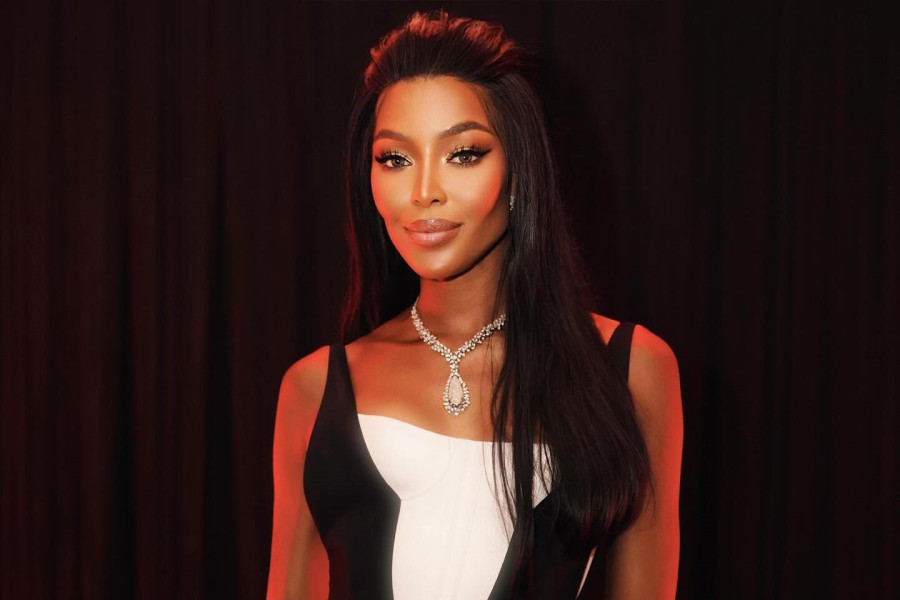
Naomi Campbell is usually associated with runways, front rows and glossy magazine covers. But in 2010, she was sitting in a very different kind of spotlight. She was in a courtroom in The Hague, giving testimony in a war crimes trial linked to 'blood diamonds' and former Liberian president Charles Taylor.
It was a moment that pulled the fashion world into one of the most serious international legal cases of its time.
The case wasn't about fashion at all on the surface. It was about conflict, diamonds, and whether luxury goods had been used to fuel violence during Sierra Leone's civil war. But once Campbell's name entered the courtroom, the story quickly became global headline material, not just for what was said, but for who was saying it.
The Mysterious Late-Night Delivery After Dinner
The story starts in 1997, after a dinner hosted by then-President Nelson Mandela in South Africa. The British supermodel reportedly told the court that later that night, she was handed a small pouch by unidentified men at her hotel.
Inside were what she described as 'dirty-looking stones'. She said she had no idea they were diamonds and no idea where they came from.
Years later, it would become a key detail in a war crimes investigation trying to trace how rough diamonds may have moved through political and conflict networks in West Africa.
Never forget Naomi Campbell used to recieve uncut blood diamonds from Charles Taylor a man found guilty of eleven charges levied by the Special Court, including terror, murder and rape. pic.twitter.com/0b46l8eoCp
— The Instigator (@Am_Blujay) February 19, 2024
Conflicting Accounts About the Diamonds
This is where things get messy.
Prosecutors at the Special Court for Sierra Leone, sitting in The Hague, were trying to figure out if those stones were connected to Taylor's regime. Taylor was accused of trading diamonds for weapons during Sierra Leone's brutal civil war.
Campbell told the court she passed the stones to people in her circle, and insisted she didn't know anything more about them.
But another name kept coming up: Mia Farrow. The American actress told the court that Campbell had once said the diamonds came from Taylor. However, Campbell firmly denied this in her testimony.
Cross-Examination Under Global Attention
In court, Campbell was questioned closely about timing, handling, and what exactly was said around the diamonds. The challenge was simple but difficult as she was being asked to recall conversations and events from more than a decade earlier.
Meanwhile, outside the courtroom, the media was amplifying the contrast in this case. Fashion icon. War crimes tribunal. Blood diamonds. It was a headline writer's dream, and it spread fast.
The term 'blood diamonds' itself refers to rough diamonds mined in war zones and sold to finance armed conflict. It's a phrase that already carried global weight, and this case pushed it back into public conversation in a very visible way.
Fashion Industry Left Uncomfortable
Even though Campbell was never accused of wrongdoing, the association was enough to spark wider conversations in fashion and luxury circles.
The industry was already under pressure at the time to address ethical sourcing, especially in jewellery. Initiatives like the Kimberley Process — designed to prevent conflict diamonds entering the legal trade — were part of that ongoing shift.
But the Campbell testimony added something else. It showed how easily luxury, politics and conflict can intersect in ways that aren't always obvious at the time. For an industry built on image, that was a difficult mirror to look into.
Aftermath of the 'Blood Diamonds' Trial
Naomi Campbell didn't walk into that courtroom as a defendant, but she still walked out as part of one of the most widely reported moments in modern legal history.
Her testimony became a flashpoint not because she was accused of anything, but because it placed a global fashion icon inside a conversation about war and power.
More than a decade later, the case still stands as one of those rare moments where fashion and international justice collided in full public view. And the ripple effect still echoes in how the industry talks about ethics responsibility today.