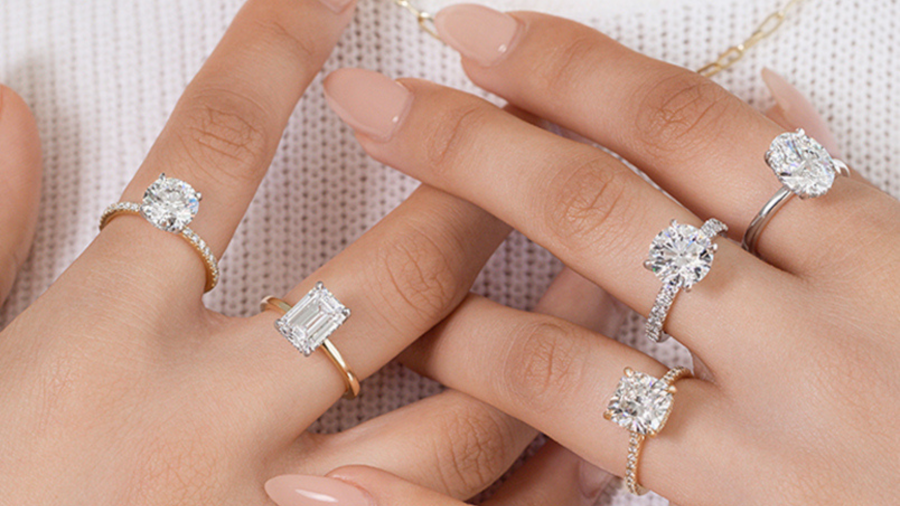
For many couples, choosing an engagement ring is one of the most meaningful decisions they'll make together—and 2026 is shaping up to be a year where personal style, practicality, and longevity are just as important as sparkle. Standing on the corner of Hatton Garden and Greville Street in London, you can feel the shift. The queues outside traditional family jewellers are no longer just for the classic round solitaire. Instead, people are asking for 'elongated cushions,' 'bezel-set emeralds,' and 'teal sapphires.'
Today's engaged couples are moving away from rigid traditions and exploring a range of stone shapes and settings that reflect their individuality. If you or your partner are ring shopping in 2026, this is the definitive, human-centred overview to help you navigate today's landscape with confidence—grounded in the reality of the British market.
Why Engagement Ring Trends Matter in 2026
We aren't just choosing rings for the 'gram' anymore. In 2026, the 'why' behind the ring has become deeply personal. We're seeing a 'return to soul' in jewellery design. People want a piece that tells a story of who they are—whether that's a preference for sustainable lab-grown stones or a vintage-inspired setting that feels like a family heirloom.
Longevity is the buzzword this year. With active London lifestyles — commuting on the Elizabeth Line, weekend trips to the Cotswolds, or simply the daily 'hustle' — wearability is paramount. A ring shouldn't just look good in a velvet box; it needs to survive a lifetime of wear without snagging on every jumper you own.
Oval Cuts: The 'Hailey Bieber Effect' Meets Practical Elegance
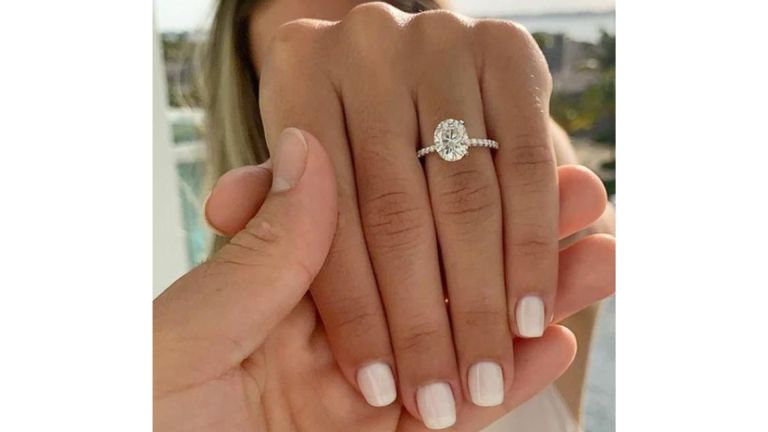
The oval cut has officially moved from a 'trend' to a 'modern staple.' It currently accounts for nearly 33% of all engagement ring sales in the UK, nipping at the heels of the traditional round brilliant.
Why It's Trending
The oval is the ultimate 'magic' stone. Because of its elongated surface area, it often appears larger than a round diamond of the identical carat weight. It's also incredibly flattering; the vertical orientation creates the illusion of longer, slimmer fingers.
Wearability & Longevity
Unlike sharper cuts, the oval has no corners to chip or catch. It's a 'soft' shape that plays well with almost any setting—though in 2026, we're seeing a massive move toward the 'East-West' orientation (setting the stone horizontally across the finger) for a more modern, 'fashion-forward' edge.
Cost Breakdown (GBP)
| Stone Type | 1.0ct Oval (Average Price) | 2.0ct Oval (Average Price) |
| Natural Diamond | £5,500 – £7,500 | £18,000 – £25,000 |
| Lab-Grown Diamond | £1,200 – £2,200 | £4,000 – £6,500 |
Emerald Cuts: The Sophistication of 'Quiet Luxury'
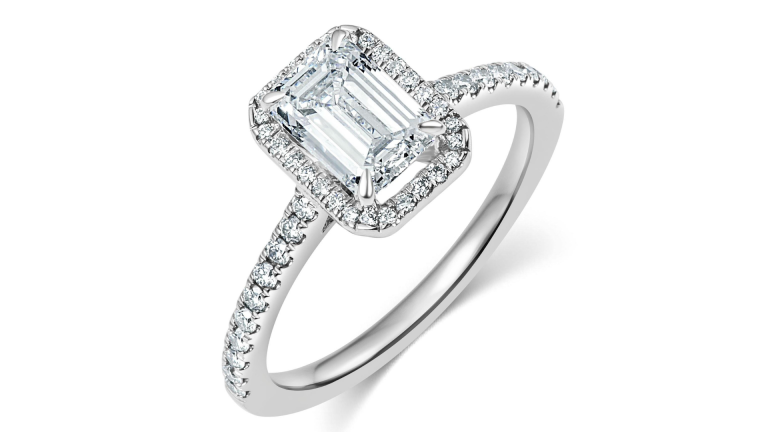
If the oval is about sparkle, the emerald cut is about 'calm.' This 'step-cut' stone features long, rectangular facets that create a 'hall-of-mirrors' effect rather than a disco-ball shimmer.
Why It's Trending
In an era of 'quiet luxury,' the emerald cut is the pinnacle of chic. It feels architectural and deliberate. It doesn't shout; it whispers. In 2026, we've seen a 50% increase in requests for emerald cuts, particularly from couples who value structure and minimalism over 'bling.'
Wearability & Longevity
Because emerald cuts have a flat 'table' (the top part of the stone), they sit lower on the finger than many other shapes. This 'low-profile' nature makes them far more wearable for daily life. However, keep in mind that step-cuts are 'windows' into the stone—they show inclusions more easily, so you'll want to prioritise a higher 'Clarity' grade (think VS1 or above).
Cost Breakdown (GBP)
Natural emerald cuts are often slightly better value than rounds because they lose less of the rough diamond during the cutting process.
- Natural (1.5ct): £8,500 – £11,000
- Lab-Grown (1.5ct): £2,500 – £3,800
Pear Shapes: Directional Grace for the Individualist
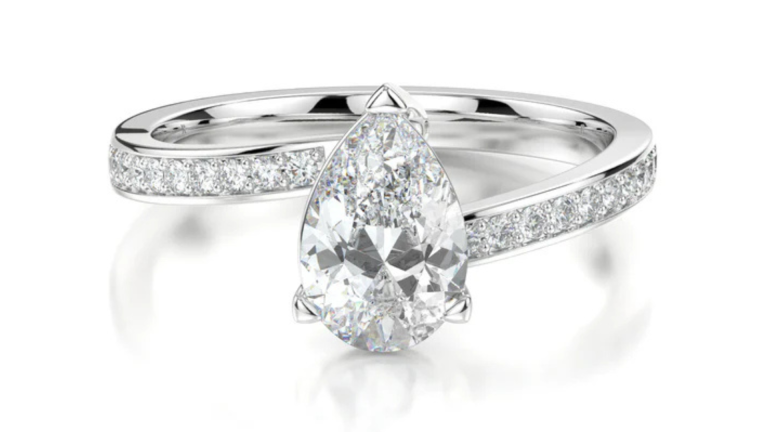
The pear—or 'teardrop'—is a hybrid shape that combines the round and the marquise. It is perhaps the most 'identity-driven' choice of 2026.
Why It's Trending
The pear shape feels intentional. It's for the person who wants something 'slightly unexpected.' Interestingly, we're seeing a trend in London for 'Toi et Moi' (You and Me) rings, where a pear-shaped stone is paired with another shape, such as an emerald or an oval, to symbolize the coming together of two unique individuals.
Wearability & Longevity
The 'point' of the pear is its most vulnerable spot. To ensure longevity, the point should always be protected by a 'V-prong' or a bezel setting. In 2026, the 'rub-over' (bezel) setting is incredibly popular in the UK, encasing the entire stone in a thin rim of gold or platinum for a sleek, modern, and very safe finish.
Cost Breakdown (GBP)
- Natural (1.2ct): £6,000 – £8,500
- Lab-Grown (1.2ct): £1,800 – £2,900
Alternative Stones: The Rise of Colour and Conscience
While diamonds (natural and lab) remain king, 2026 has seen a 'riot of colour' hit the British high street and bespoke ateliers alike. Couples are increasingly looking for 'identity stones.'
The Trending Stones
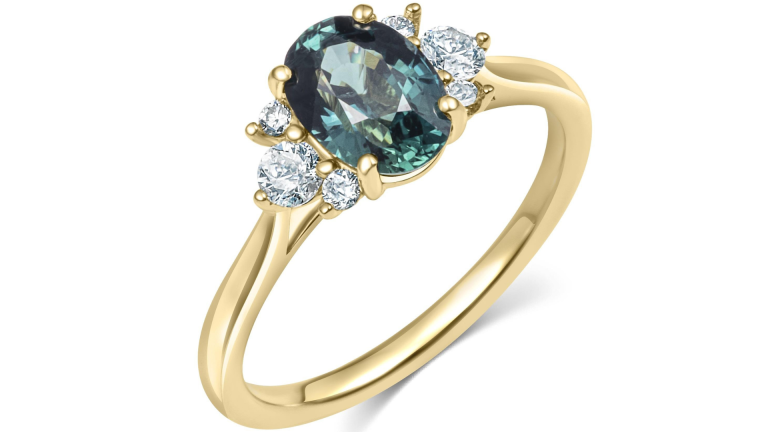
- Teal Sapphires: The standout favourite for 2026. They offer a unique blend of blue and green that feels earthy and distinct.
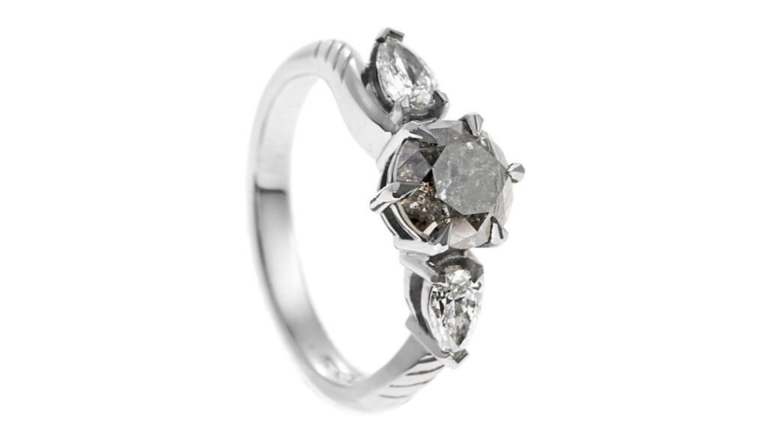
- Salt and Pepper Diamonds: For the couple that embraces imperfection. These stones have wild, visible inclusions that look like galaxies trapped in ice.
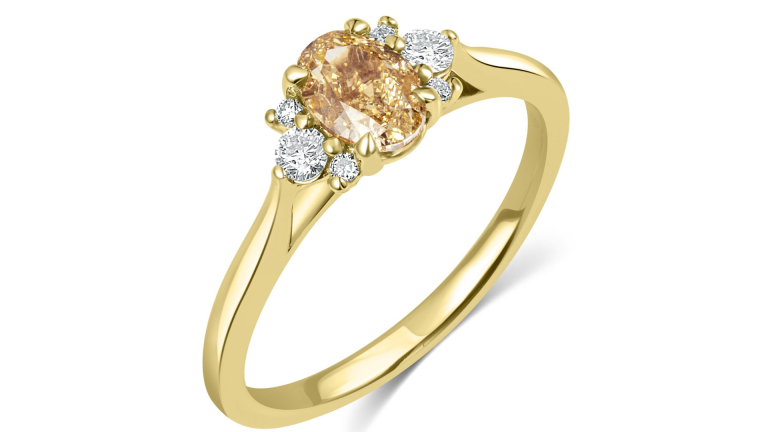
- Champagne & 'Desert' Diamonds: Warm-toned stones that pair beautifully with the 2026 resurgence of 18k yellow gold.
Why They're Trending
'Sustainability and traceability have moved from nice-to-haves to absolute requirements,' says a master jeweller in Hatton Garden. Many couples prefer a traceable sapphire from a small mine over a diamond with a murkier history.
Longevity Note
If you're going the alternative route, check the Mohs Scale. Sapphires and rubies are 9/10, making them perfect for everyday wear. Emeralds (7.5-8) are more brittle and better suited to protective 'bezel' settings to avoid 'the heartbreak of a chip.'
Lab-Grown vs. Natural: The Honest 2026 Verdict
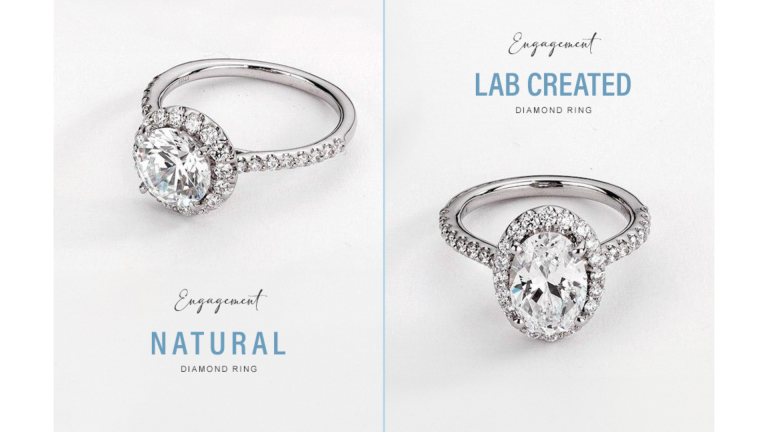
In 2026, the 'stigma' around lab-grown diamonds has largely evaporated in the UK. They are chemically, physically, and optically identical to mined diamonds. The choice now is purely down to values and budget.
The Trade-Off
- Lab-Grown: You can get a much larger, higher-quality stone for your money. 'For the price of a 1-carat natural diamond, you can often get a stunning 2.5-carat lab-grown stone,' which appeals to couples who want a certain 'look' without a mortgage-sized bill.
- Natural: For those who value rarity and the 'miracle of nature' aspect. Natural diamonds are finite, which some couples feel adds a layer of 'forever' to the symbolism.
Price Comparison Summary (Approx. 1.0ct, D-F Colour, VS1 Clarity):
- Natural: £6,500+
- Lab-Grown: £1,500 - £2,000
Settings That Anchor the Trends
The setting is the 'personality' of the ring. In 2026, we've moved away from the dainty 'micro-pavé' bands that were prone to losing stones and toward more robust, confident designs.
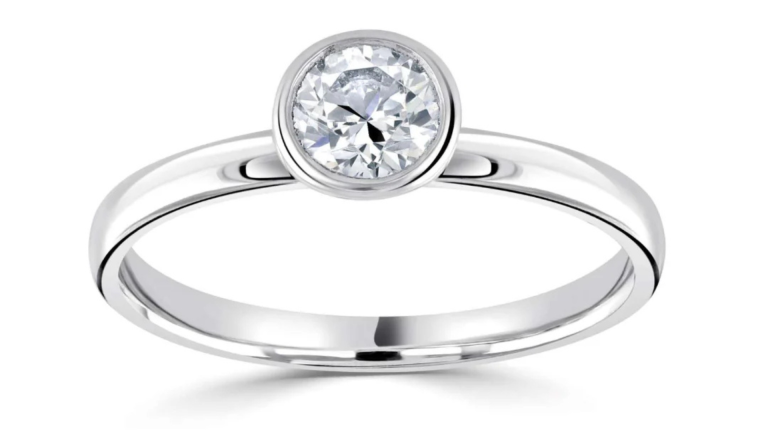
1. The Bezel (Rub-over) Setting
The stone is completely surrounded by a metal rim. It's the ultimate 'active life' ring. No claws to snag on your favorite cashmere scarf.
2. The 'Cigar Band.'
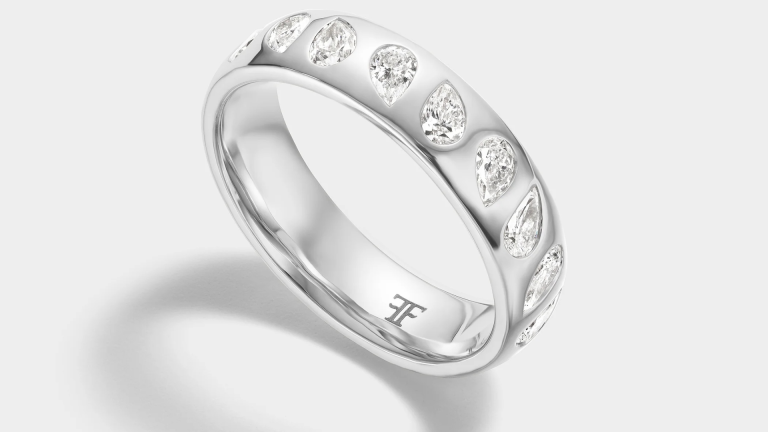
Thicker, wider bands are everywhere. They feel grounded and substantial. Dua Lipa's engagement ring has sparked a massive wave of interest in round diamonds set into chunky, minimalist yellow gold bands.
3. Mixed Metals
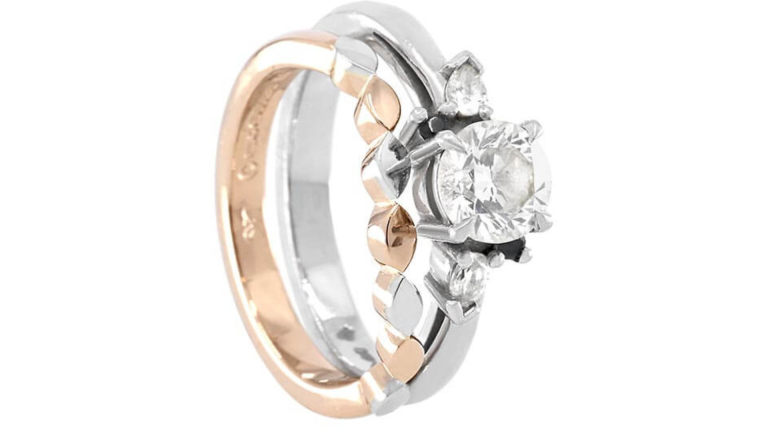
'Why choose one when you can have both?' Combining a platinum setting (to keep the diamond looking white) with a yellow gold band is the savvy way to ensure your ring matches all your other jewellery.
Final Thoughts: Choosing for Your Life, Not Just the Moment
London proves that an engagement ring isn't just a status symbol—it's a piece of wearable art that has to survive the Jubilee Line, the rain, and the decades. Whether you're drawn to the elongating grace of an oval, the architectural calm of an emerald, or the romantic sparkle of a pear, the best ring is the one that feels like you.
Don't get caught up in the 'hype.' Focus on the C's that matter to you: perhaps it's the Cut for the sparkle, or the Conscience behind the sourcing. With the rise of lab-grown options and a renewed focus on British craftsmanship, there has never been a better time to find a piece that is as enduring as your commitment.