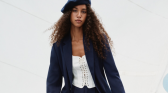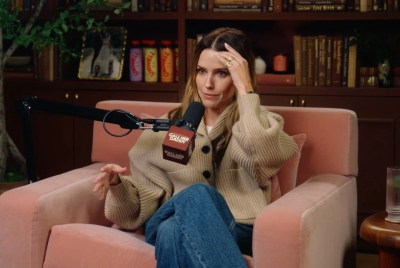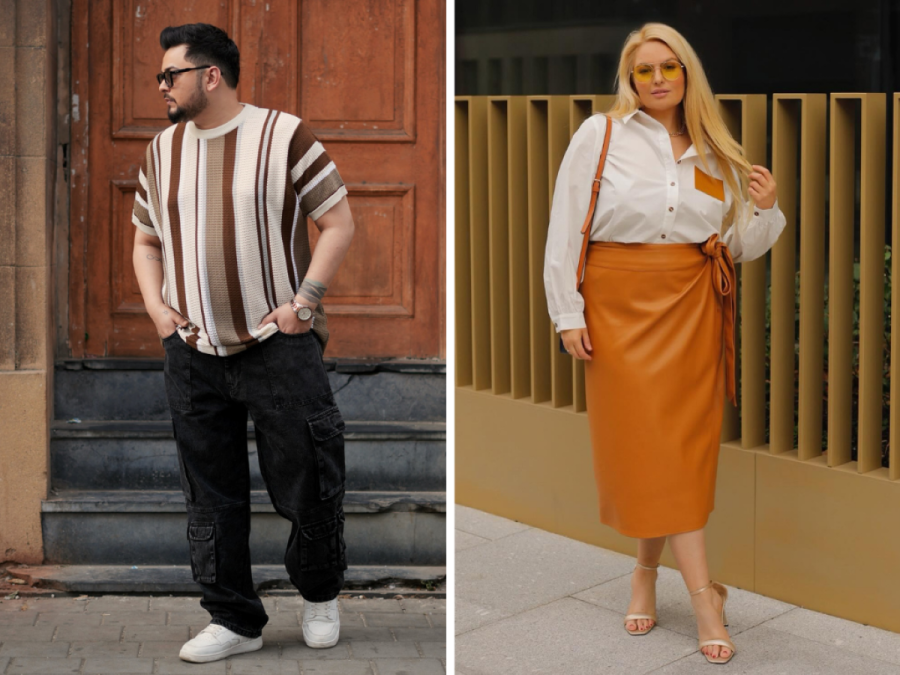
Looking and feeling your best doesn't mean you have to default to black. While dark shades are traditionally viewed as slimming, there are multiple visual proportion principles in fashion that help elongate and streamline your silhouette no matter the colour palette you choose.
This comprehensive guide explains those principles — with practical outfit ideas for both women and men — so you can create outfits that flatter your figure in real life and on camera.
1. Vertical Lines and Visual Proportion
At its heart, dressing to look slimmer is about optical proportion and directionality — basically, how your eyes travel over your outfit.
Stretch Your Silhouette Visually
Vertical lines, not just stripes, draw the eye up and down that creates a longer, leaner appearance. These can come from:
- Vertical seams on trousers or jackets
- Pinstripes or thin stripes
- Long open cardigans, duster coats, or unbuttoned shirts
- Long necklaces and scarves worn downwards
These vertical cues do the same job whether you're wearing a patterned dress or a tailored suit. They slow down side‑to‑side scanning of the eye, focusing instead on the length of your body.
Avoid Horizontal Interruptions
Horizontal breaks, such as tops cutting off at the widest part of your hips, can create a visual stop that makes your torso look broader. This isn't a strict 'never', but it's important to know where lines break are. A good rule is to shift breaks away from the middle of the frame.
2. Waist Definition and Body Balance
A defined waistline, whether natural or created, immediately suggests an hourglass silhouette. The eye reads this as more proportionate and streamlined.
Highlight the Waist Without Harsh Lines
For both women and men:
- High-waisted trousers or skirts raise the perceived start of the leg line and elongate the lower body.
- Belts at the natural waist anchor outfits and pull attention inward without disrupting vertical flow too drastically.
- Tucking shirts into chinos or jeans defines the waist area while keeping the upper body balanced.
- For men specifically, a slightly tapered blazer that cinches just at the waist can create structure without feeling contrived.
Keep in mind, extremely wide belts can show a strong horizontal break that cancels vertical cues. So, choose proportions that match your body.
3. Fit, Fabrics, and Pattern
Even without relying on colour, the cut and fabric can influence silhouette significantly.
Wear Fit That Flattens Silhouette
Clothes that skim the body, not cling or drown it, create the most flattering lines. Too tight can create bulges. Too loose can hide your figure entirely. A tailored shirt with slim trousers or a structured dress jacket with straight-leg trousers both strike that balance.
Create Lines With Pattern and Fabric
- Vertical or diagonal patterns guide the eye upwards.
- Diagonal elements (like wrap tops) draw the eye toward the narrowest point of your body and enhance shape.
- Choose matt or medium-textured fabrics over shiny and stiff ones, which can reflect light and attract the eye in ways that make areas look larger.
4. Colour Strategies Beyond Black
Black is slimming, but it's not the only option. Understanding how colour blocks and tone work can elevate your look without slipping into monotony.
Monochrome and Tonal Dressing
Wearing the same colour from head to toe creates an uninterrupted visual line. This doesn't have to be black. Try:
- Navy to sky blue
- Camel to tan
- Forest green or burgundy
By keeping the tone consistent, you mimic the slimming rationale of black while allowing more personality and versatility.
Strategic Colour Blocking
Instead of high contrast splits in the middle, try these:
- Block colours above and below the waist subtly
- Use darker shades where you want less emphasis
- Add brightness or pattern near your best areas (face, shoulders, ankles)
Think of colour as a tool that guides attention rather than hides imperfections.
5. Outfit Combinations You Can Copy
Here are easy-to-replicate looks that apply the above tricks for men and women:
For Women:
Daytime Casual — Monochrome tone + high waist + vertical longline coat
- Cream high-waisted trousers
- Fitted ribbed knit top in matching cream
- Longline camel coat
- Pointed-toe flats (neutral tone)
Workwear — Vertical lines and tailored structure
- Navy pinstripe straight-leg suit
- Soft V-neck blouse in a tone similar to jacket stripes
- Belt to define waist gently
Evening or Event — Waist definition + vertical cues around the torso
- Burgundy wrap dress
- Thin belt just at natural waist (optional)
- Subtle vertical pendant necklace
For Men:
Smart Casual — Vertical continuity and monochrome tone elongate
- Slim-fit chinos in olive
- Longline knit polo in matching tone
- Unstructured blazer left open
Office Appropriate — Clean vertical breaks with waist-defining trousers
- Tailored navy trousers
- Light blue button-down tucked in
- Single-breasted blazer with minimal padding
Weekend Look — Vertical seams + open outer layer
- High-rise straight jeans
- Fitted Breton tee with subtle vertical stripe or seam detail
- Light bomber jacket (unbuttoned)
6. Quick Answers to Style Dilemmas
Q: What about horizontal stripes or bold patterns?
Horizontal stripes can widen the body's appearance because the eye scans side to side. If you love stripe detail, choose the placement carefully. Thinner stripes or small prints work better than wide bands across the torso.
Q: Can I still wear bright colours and prints?
Absolutely! Strategic placement and proportion make all the difference. Pair prints with solid matching pieces to avoid abrupt breaks and keep vertical flow in mind.
Q: Is tailoring really worth it?
Yes. Proper alteration can transform off-the-rack pieces so they follow your body's shape, giving you the best silhouette possible without extra effort.
Dress Intentionally, Not Restrictively
Looking slimmer isn't about hiding your body. It's about amplifying proportion, guiding the eye wisely, and choosing items that genuinely work with your shape and style goals.
Every body is unique, so there's no one-size-fits-all rule. Instead, focus on understanding the principles that create balance, such as vertical lines that elongate, subtle waist definition that suggests shape, and thoughtful colour and pattern choices that highlight your best features. When you combine these strategies, you gain a versatile toolkit you can apply to any wardrobe, season after season.
Remember, dressing to look slimmer isn't about restriction, but about empowerment. Clothes should enhance confidence, not constrain it. Experiment with layers, textures, and tonal outfits, and pay attention to proportions rather than obsessing over size or colour. Later on, this approach becomes intuitive. You'll naturally reach for combinations that flatter, feel comfortable, and make you feel polished.
Dress intentionally — not restrictively — and you'll find your wardrobe not only looks slimmer, but smarter, more cohesive, and authentically you.