In recent years, few fashion terms have sparked as much interest as old money style and quiet luxury. They are often grouped together, visually similar at first glance: neutral tones, tailored silhouettes, polished hair, discreet accessories.
But despite their overlap, they are not identical. Each aesthetic draws from different historical influences and communicates different cultural signals. More importantly, both belong to a longer fashion tradition that predates social media.
Understanding the difference isn't just helpful for trend-watching, but it offers insight into how clothing has long been used to signal status, taste, and identity.
What Is Quiet Luxury?
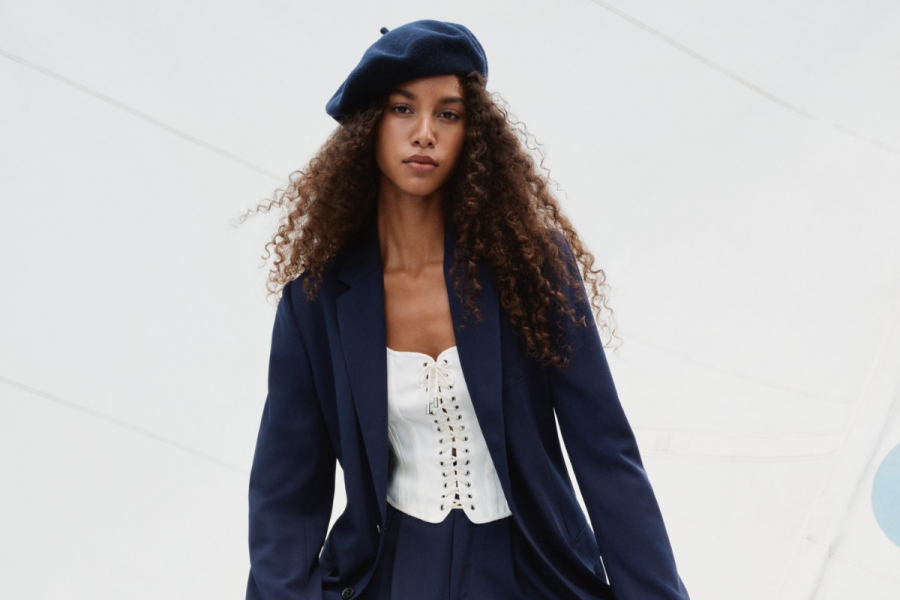
Quiet luxury refers to refined, understated dressing that prioritises quality materials, expert tailoring, and minimal visible branding. Its philosophy is simple. If something is well made, it does not need a logo to prove its value.
The concept has roots in 20th-century minimalist fashion. Designers such as Calvin Klein in the 1990s popularised sleek silhouettes and muted palettes that emphasised fabric and fit over embellishment. Later, brands such as The Row built reputations around impeccable craftsmanship with almost invisible branding.
Key characteristics include:
- Neutral colour palettes (cream, camel, navy, charcoal, black)
- Natural fibres such as wool, cashmere, silk and linen
- Clean and architectural tailoring
- Subtle or hidden logos
- Minimal hardware and embellishment
Quiet luxury is about looking thoughtful. The cut of the blazer, the weight of the knit, and the drape of the trousers become the statement.
What Is Old Money Style?
The foundation of old money style is legacy dressing, which is clothing that has historically been connected to aristocratic settings, wealth, and high education.
This style evolved over time from American East Coast prep culture and British country tailoring. Brands such as Ralph Lauren helped codify the look in the late 20th century, with campaigns and collections inspired by polo, sailing, and Ivy League aesthetics.
Classic elements include:
- Tweed jackets and structured wool coats
- Cable-knit jumpers
- Oxford shirts and pleated trousers
- Penny loafers and riding boots
- Pearl jewellery and signet rings
Unlike quiet luxury that focuses on modern restraint, old money style leans on tradition and continuity. The garments often evoke heritage activities, such as equestrian sports, tennis, sailing, and even countryside estates. It suggests longevity, which means the clothes might have been around for decades.
Historical Roots: Minimalism vs Heritage
Throughout the history of fashion, minimalist clothing has been popular. Coco Chanel transformed women's clothing in the 1920s by using neutral hues and streamlined shapes. Minimalist tailoring started to represent contemporary refinement in the 1990s, led by designers such as Calvin Klein and Jil Sander.
Heritage dressing, meanwhile, stems from centuries-old tailoring traditions. British aristocracy developed country-specific attire suited to hunting and riding. American prep culture adopted these codes through elite universities in the early 20th century.
Quiet luxury is the descendant of minimalist design philosophy.
Old money style is the descendant of aristocratic and preppy dress codes.
One is rooted in modern refinement. The other in inherited tradition.
The Cultural Difference
Although they overlap visually, their cultural messaging differs.
- Quiet luxury communicates discernment. It implies knowledge of craftsmanship and materials. The wearer signals taste rather than lineage.
- Old money style communicates belonging. It evokes generational continuity, family legacy, and social tradition.
This distinction matters. Someone wearing a sharply tailored camel coat with no visible branding may embody quiet luxury. Someone in a tweed blazer with loafers and a cable-knit jumper may embody old money styling.
Both look polished. But one feels contemporary, and the other feels historical.
Why Understated Wealth Appeals
The enduring fascination with these aesthetics is not accidental. Fashion has always functioned as a language of status. Historically, wealth was communicated through visible excess—ornate embroidery, rare dyes, heavy embellishment. In modern societies, where luxury goods are more accessible, status signalling has shifted.
This is called 'inconspicuous consumption'. It shows wealth through subtle cues that are only understood primarily by those familiar with them.
In this context:
- A high-quality wool coat signals investment and longevity.
- Perfect tailoring signals attention to detail.
- Restrained styling signals confidence.
Understated luxury often reads as more secure. It suggests the wearer does not need overt branding to validate their status. That psychological appeal explains why these aesthetics repeatedly resurface, regardless of the decade.
Visual Differences at a Glance
| Element | Quiet Luxury | Old Money Style |
|---|---|---|
| Foundation | Minimalist modern design | Heritage and tradition |
| Colour | Soft neutrals | Neutrals with classic heritage tones |
| Mood | Sleek, contemporary | Polished, nostalgic |
| Focus | Fabric and tailoring | Lineage and legacy |
| Styling | Architectural simplicity | Preppy refinement |
Knowing these distinctions enables you to consciously select one direction, or combine aspects of the two.
How to Achieve the Look Without a Luxury Budget
You don't need to spend £5,000 on a designer coat to show off either aesthetic. The illusion of refinement depends more on proportion and styling than price tag.
1. Prioritise Fit Above All
Tailoring instantly elevates garments. Even a £120 blazer can look premium when adjusted correctly. Ill-fitting clothes undermine both aesthetics.
2. Choose Natural Fabrics
Look for cotton, wool blends, and linen. These materials drape better and photograph more luxuriously than synthetic alternatives.
3. Build a Neutral Capsule Wardrobe
Start with:
- A tailored black or navy trouser
- A cream or camel knit
- A structured blazer
- A trench coat
- Leather loafers
These staples can be styled in both quiet luxury and old money directions.
4. Keep Accessories Subtle
Opt for simple gold jewellery or pearl studs. Avoid oversized logos and statement hardware if aiming for authenticity.
5. Focus on Grooming
Both aesthetics rely on neat presentation. Polished hair, understated makeup, and clean lines reinforce the refined effect.
Blending the Two Aesthetics
Many wardrobes naturally combine elements of both. For example:
- A minimalist tailored coat (quiet luxury) paired with loafers and a cable-knit jumper (old money).
- A heritage tweed blazer styled with sleek modern trousers.
The key is cohesion. Stick to restrained colour palettes and avoid excessive layering of competing styles.
Enduring Appeal of Understated Luxury
Fashion operates in cycles between maximalism and restraint. When bold logos and bright prints dominate, a counter-movement inevitably emerges favouring subtlety. Minimalism and heritage dressing have also survived for decades because they are rooted in enduring design principles, which are proportion, quality, and balance.
Both styles will keep on returning since they are not tied to one season or one platform. They are part of a broader conversation about how clothing communicates identity and stability.
Quiet luxury and old money style may appear similar, but they stem from different traditions.
- Quiet luxury is modern minimalism focused on craftsmanship and discretion.
- Old money style is heritage dressing inspired by generational refinement.
Both favour restraint. Both prioritise quality. But one signals cultivated taste, while the other signals continuity and tradition. Understanding that difference allows you to dress with intention rather than imitation. And because both aesthetics are built on timeless principles, they will continue to influence wardrobes long after any specific trend cycle fades.