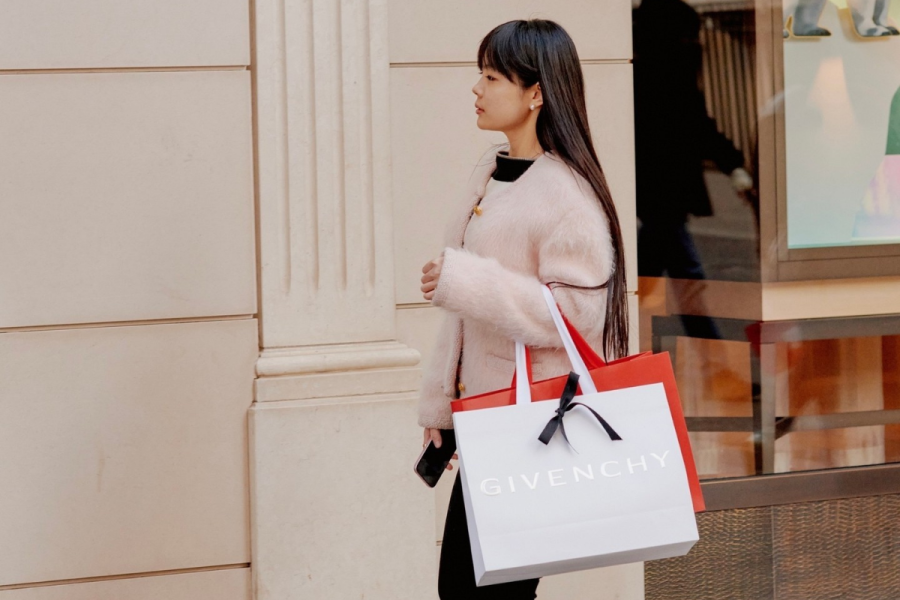
Fashion trends may shift with the seasons, but one question never really disappears: Is designer fashion worth the investment?
The answer does not depend on economic cycles, viral trends, or short-term market shifts. Instead, it rests on something far more enduring—how we measure value. At the centre of this conversation is the concept of 'cost per wear' that remains relevant regardless of era.
What Is Cost Per Wear?
Cost per wear is a straightforward method of calculating the true long-term cost of an item of clothing by dividing its price by the number of times it is worn. The formula is simple:
- Cost per wear = Purchase price ÷ Number of times worn
Rather than focusing purely on the price tag, this approach evaluates how often you use a garment and how long it lasts. It encourages thoughtful consumption instead of impulse buying.
Whether you are shopping on the high street or investing in a heritage fashion house, this calculation applies equally. It transforms the question from 'Is this expensive?' to 'Will this earn its place in my wardrobe?'
The Five-Year Coat Comparison
To understand how this works long term, let's compare two hypothetical purchases over five years:
Option 1: £90 High Street Coat
- Purchase price: £90
- Worn 15 times per year
- Lasts 2 years before replacement
- Total wears over two years: 30
- Cost per wear: £3
If replaced twice over five years:
- Total spend: £180 (£3 cost per wear x 60 months)
- Total wears: 60
- Cost per wear remains: £3
Option 2: £1,200 Investment Coat
- Purchase price: £1,200
- Worn 30 times per year
- Lasts 5 years or more
- Total wears: 150
- Cost per wear: £8
If resold after five years for £400:
- Net cost: £800
- Adjusted cost per wear: £5.33
The numbers alone do not declare one 'right' and the other 'wrong'. Instead, they highlight how usage patterns determine value. A coat worn daily through multiple winters becomes economical over time. A coat worn occasionally does not.
The formula rewards consistency, not labels.
How to Spot Real Quality
The evaluation of designer fashion must move beyond brand names and focus on construction. When assessing quality, consider:
Fabric Composition
Natural fibres such as wool, cotton, silk, and linen tend to age more gracefully than synthetic blends. High-grade wool coats, for example, maintain structure and warmth for years when cared for properly.
Stitching and Seams
Turn garments inside out. Straight, dense stitching and reinforced seams indicate durability. Loose threads and uneven seams often signal short lifespan.
Lining and Finish
A well-lined coat or jacket holds its shape better over time. Pay attention to buttons, zips and hems—small details reveal manufacturing standards.
Fit and Cut
Timeless silhouettes endure far longer than trend-led shapes. A classic tailored coat will look relevant decades from now, while extreme proportions may date quickly.
These principles apply to any garment, regardless of price point.
The Origins of Investment Style
The idea of investing in clothing is not new. For centuries, wardrobes were built around fewer and better garments. Tailoring was an art form. Coats were repaired rather than discarded. Shoes were resoled instead of replaced.
The concept of 'buy less, buy better' predates modern sustainability discourse. It was once simply practicality. In contrast, mass-produced fashion is a relatively recent development. While it democratised style, it also normalised short product lifespans.
Understanding this historical perspective helps frame investment dressing not as luxury indulgence, but as a return to longevity.
When Designer Fashion Makes Sense
Designer fashion can justify its cost when:
- The piece is versatile and neutral
- It integrates seamlessly into your existing wardrobe
- You anticipate wearing it frequently
- Fabric and craftsmanship are superior
- It maintains aesthetic relevance over time
Outerwear, tailoring, leather goods, and footwear often benefit most from investment due to frequent use and structural demands.
When High Street Is the Smarter Choice
High street fashion plays an important role in modern wardrobes. It is particularly useful for:
- Trend experimentation
- Seasonal colour updates
- Occasion-specific outfits
- Budget flexibility
A trend-driven garment worn only a handful of times rarely justifies a four-figure price. In such cases, accessibility can be sensible. The key is intentional purchasing and not impulse accumulation.
Sustainability and Longevity
One of the most enduring discussions in fashion concerns sustainability. Regardless of shifting headlines, two principles remain consistent:
- The longer a garment is worn, the lower its environmental impact per wear.
- Extending lifespan reduces consumption.
You do not need a designer label to shop sustainably. Instead:
- Choose quality fabrics
- Wash garments carefully (lower temperatures, less frequent washing)
- Store coats on structured hangers
- Repair small damages early
- Resell or donate responsibly
Maintenance is often overlooked in cost calculations. But keep in mind that proper care can double the lifespan of many garments.
Emotional Durability
Clothing is not purely functional. It carries identity, confidence and memory.
A well-chosen coat that makes you feel composed every winter morning may be worn more often simply because you enjoy it. That emotional attachment increases wear frequency, while lowering cost per wear organically.
On the other hand, an impulse purchase that never quite feels right often lingers unworn, regardless of price. The most economical garment is usually the one you genuinely love and repeatedly reach for.
How to Decide Before Buying
In order to make any fashion buy valuable for years to come, ask yourself:
- Can I style this at least three different ways?
- Does it suit my lifestyle?
- Will I still appreciate it in five years?
- Is the construction visibly strong?
- Am I buying this for longevity or novelty?
If the answer centres on long-term integration rather than short-term excitement, the purchase is more likely to justify itself.
Balanced Wardrobe Approach
An enduring strategy is balance. Many well-curated wardrobes combine:
- Investment outerwear and shoes
- Mid-range knitwear and staples
- Affordable trend pieces
This approach allows creativity without compromising durability. Designer fashion is neither automatically necessary nor inherently wasteful. Its value depends entirely on frequency, care, and thoughtful selection.
Wear More, Waste Less
The debate over whether designer fashion is 'worth it' will continue as long as clothing exists. Yet the principle guiding that debate remains constant.
Price alone does not determine value. Longevity does.
A £90 coat worn consistently and maintained carefully may outperform a neglected £1,200 purchase. Equally, a beautifully tailored investment coat worn for a decade can become one of the most economical items in your wardrobe.
Fashion trends evolve. Economic climates shift. Brand popularity rises and falls. But cost per wear — and the wisdom of buying with intention — will always remain relevant.