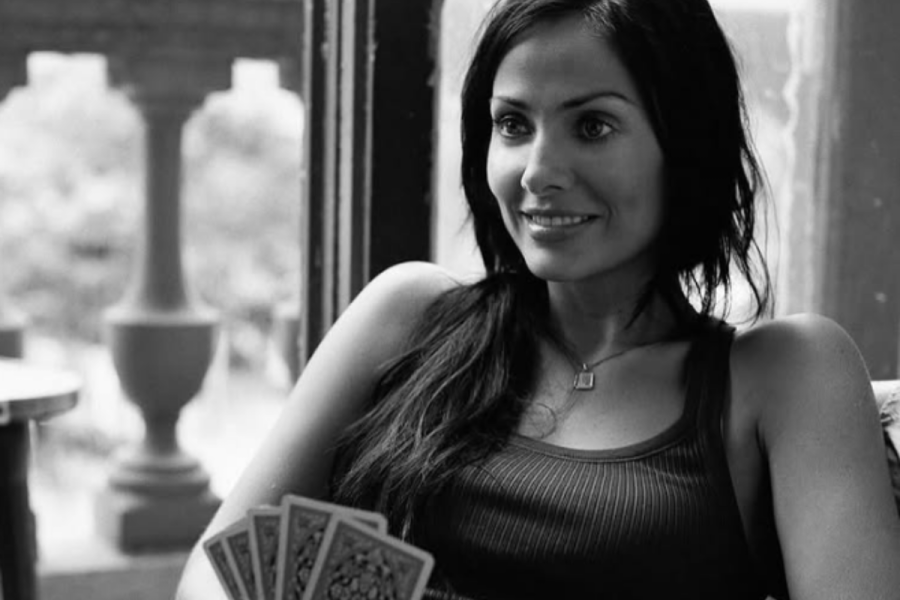
Natalie Imbruglia has opened up about the profound impact perimenopause had on her mental well-being, revealing that the hormonal transition intensified her attention deficit hyperactivity disorder (ADHD) and obsessive compulsive disorder (OCD) symptoms to the point where she felt she had 'fallen off a cliff.'
The Australian-British singer-songwriter, best known for her 1997 hit Torn, has spoken frankly about her experience in a bid to encourage more women to seek help and speak openly about perimenopause. The 51-year-old believes greater awareness is essential, particularly for those who may already be living with neurodivergent conditions that can be affected by hormonal changes.
Perimenopause Made Existing Symptoms Worse
Speaking to The Times, Imbruglia revealed she was diagnosed with ADHD and OCD later in life, describing her neurodiversity as a 'superpower' despite the challenges it can sometimes bring.
'You name it, there's a sprinkle of it,' she said. 'They're just labels. It's not a negative, it's my superpower. But there's a particular thing about my neurodiversity that's hard for me to accept, which is how I get when I'm nervous before a show.'
However, she explained that entering perimenopause around five years ago significantly intensified those symptoms.
'Let's just say it was a grieving process,' she said. 'I was really angry. I fell off a cliff. It felt like someone had taken some of my personality.'
Perimenopause refers to the transitional stage before menopause, when hormone levels begin to fluctuate. According to the UK's NHS, symptoms can include anxiety, mood changes, brain fog, sleep disturbances and irregular periods, with the experience varying greatly from woman to woman.
For Imbruglia, the emotional impact was particularly difficult.
Breaking The Silence Around Menopause
The singer admitted she initially struggled to understand what was happening and found that conversations about menopause were often dismissed.
'I'd talk about it and people would try to hush me. Now I'm very outspoken,' she said, praising television presenter Davina McCall for helping bring the subject into the mainstream through her menopause documentaries and advocacy.
Imbruglia recalled meeting McCall during that period and asking her, 'Tell me everything!'
She believes more honest conversations could help women recognise the signs much earlier.
'It's really important that we speak up and stop going, 'Oh, I just breezed through it.' How is that helping anyone?'
She also urged women to pay attention if they begin feeling unlike themselves.
'Beware, women, if you start saying, "I just don't feel like myself." I said that for a year before I addressed anything.'
Finding Relief Through Hormone Replacement Therapy
Among the most challenging symptoms Imbruglia experienced were anxiety and anger, emotions she said affected both herself and those around her.
'I probably hurt a lot of people that I wish I hadn't, but until you have the tools and the HRT cream... HRT worked, absolutely.'
Hormone replacement therapy (HRT) is commonly prescribed to help manage menopausal symptoms by replacing declining hormone levels. While treatment is not suitable for everyone, many women report significant improvements after discussing options with their healthcare provider.
Reflecting on changing attitudes towards menopause, Imbruglia welcomed the growing openness surrounding the subject.
'How wonderful that this is not a shameful topic or a taboo subject. Imagine how it was for our mothers.'
Turning Personal Struggles Into Music
Imbruglia has also channelled her experience into her upcoming song, Who Dimmed the Lights, which explores the emotional reality of perimenopause.
Speaking on the How To Fail With Elizabeth Day podcast, she explained that writing the song became part of her healing process. Although lyrics referencing 'unravelling' and 'crawling in the dark' remain deeply emotional, she intentionally paired them with an uplifting melody.
'I think for a long time I'd write songs that were quite melancholic. And I think it's so nice to figure out a way of getting important messages across, but also have the music be uplifting,' she said.
The singer hopes the track will resonate with women experiencing similar struggles, reassuring them they are not alone.
Encouraging Women To Seek Support
Imbruglia said she has always processed life's challenges by speaking openly and believes education is one of the most powerful tools available.
'I don't want there to be any shame around it, and there shouldn't be. And knowledge is power.'
She added that women should not feel guilty or embarrassed about the physical and emotional changes that accompany perimenopause.
'It's not our fault that these changes are happening, and it happens to every single woman.'
By sharing her own experience of living with ADHD, OCD and perimenopause, Natalie Imbruglia hopes to help break down stigma surrounding women's health while encouraging others to recognise symptoms early and seek the support they need. Her candid account adds to the growing conversation led by public figures who are helping normalise discussions around menopause and its often-overlooked impact on mental health.