A new set of guidelines is redefining how women's sports are filmed, and it is sparking just as much conversation off the field as on it.
Introduced by European Athletics in partnership with the European Broadcasting Union, the updated recommendations aim to reduce the 'sexualisation' of female athletes during broadcasts. The goal is simple: keep the focus on performance, not body parts.
What the New Athletic Guidelines Actually Say
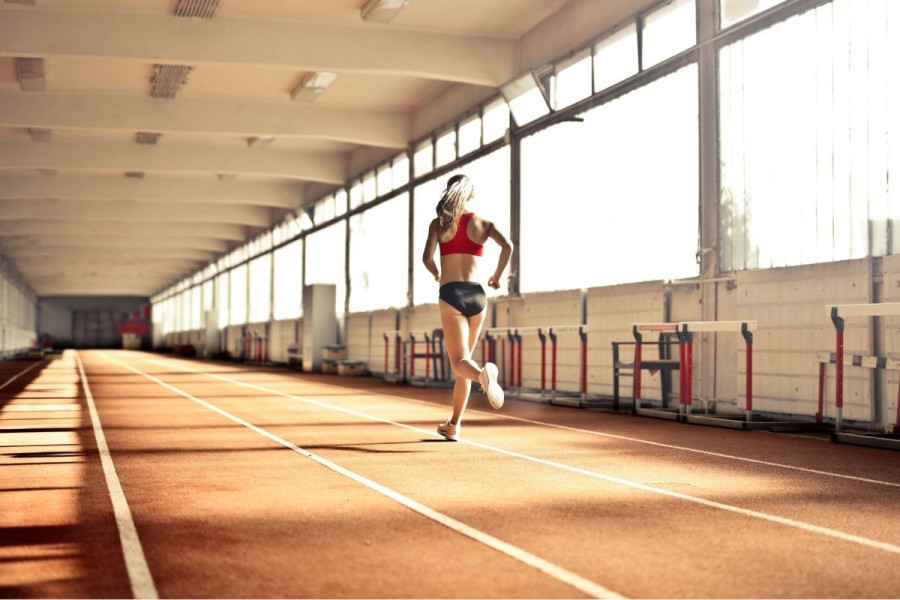
At the heart of the changes is how cameras are used on the field. Broadcasters are now being advised to avoid certain angles that have long been criticised for being unnecessarily revealing. This includes low-angle shots from behind or beneath athletes, prolonged close-ups of specific body parts, and slow-motion replays that add little technical value to the sport itself.
In events like high jump or pole vault, for example, the guidelines specifically warn that certain angles can unintentionally create compromising images, even when the intention is purely technical.
Instead, production teams are encouraged to use wider, more neutral shots that capture the full movement of the athlete. The idea is to highlight athleticism rather than anything that could be taken out of context online.
Why Are New Camera Angle Rules Being Implemented Now?
According to reports, the new rules are based on feedback from athletes themselves, many of whom said certain camera choices made them uncomfortable or distracted from their performance.
The conversation around how female athletes are portrayed is not new, but social media has changed the stakes.
Clips can be taken out of context and shared widely within seconds, often focusing on moments that were never meant to be the highlight. For broadcasters, that has raised concerns about how their footage is being used outside the original broadcast.
By tightening guidelines, organisers hope to reduce the risk of athletes being sexualised in ways that overshadow their achievements.
Public Reaction Is Split
Online, the response has been immediate and, unsurprisingly, divided. Some viewers fully support the move, arguing that it is long overdue. As one Reddit user bluntly put it, 'Basically boils down to "don't focus on their butt"'.
On the other hand, there are concerns that certain restrictions could interfere with how sports are analysed or enjoyed, particularly in technical events. Some argue that close-up shots are sometimes necessary to understand form, technique, and execution.
Putting things into perspective from a different angle, most people have expressed how the sports uniforms play a large role as well. The camera angles might not have posed such a massive issue if only athletes were given the option to wear more comfortable sports gear. As an example, in July 2021, the Norwegian Women's Beach Handball Team reportedly refused to wear the mandated, tight-fitting bikini bottoms during the European Championships. They opted to compete in thigh-length elastic shorts instead. After all, if an athlete is uncomfortable in the designated uniform, how can they be expected to perform in top condition?
Another recurring point is consistency. If the goal is fairness, many are questioning whether the same standards will be applied across both men's and women's sporting events.
Protecting Athletes, Not Setting Limitations
Despite the mixed reactions, the intention behind the guidelines is not about censoring sport. Rather, it centres on redirecting attention back to where it arguably should have been all along.
If these changes succeed, the biggest takeaway may be a simple one: less focus on how athletes look. More focus on what they can do.