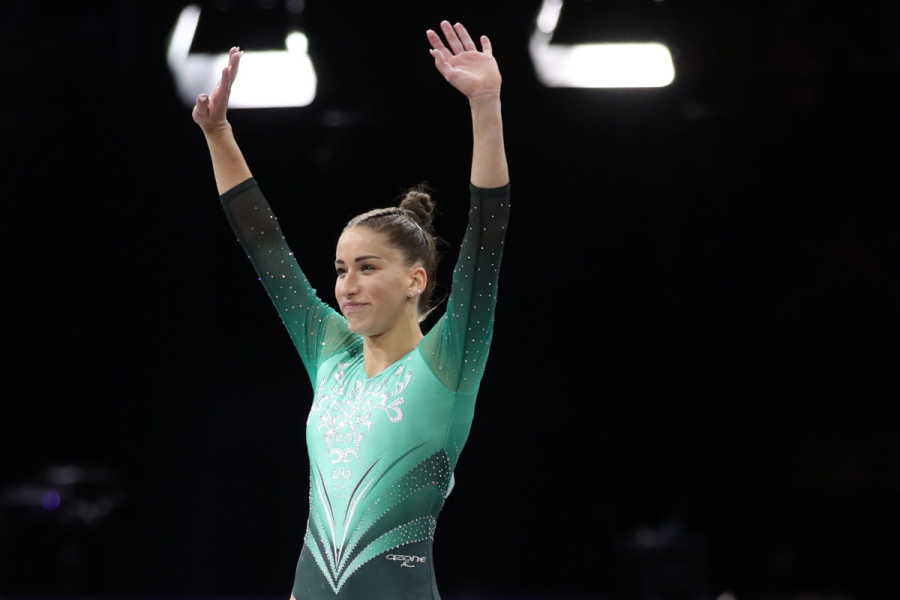
Female athletes are getting a new level of protection from the cameras after broadcasters introduced guidelines aimed at reducing 'sexualised' coverage during sporting events. The rules encourage media teams to focus on athletes' performances rather than shots or camera angles that critics say can distract from their achievements.
But the change has quickly become a social media talking point, with the debate moving beyond camera choices. While some people believe the new rules are long overdue, others argue that the bigger issue is the uniforms female athletes are expected to wear — creating a heated discussion about sports and clothing.
What Do the New Broadcast Rules Say?
The European Broadcasting Union (EBU) has introduced new recommendations designed to improve the way women's athletics are shown on screen. The guidelines, titled Raising the Bar: Guidelines for respectful media coverage in women's athletics, encourage broadcasters to avoid unnecessary body-focused filming and instead highlight athletes' skills, effort and emotions.
The recommendations include avoiding camera angles that focus on specific body parts, unwarranted close-ups and replays that do not contribute to understanding the competition. The aim is not to limit sports coverage but to make sure female athletes are represented primarily as competitors.
The EBU developed the guidelines with European Athletics and input from several athletes, including British pole vaulter Holly Bradshaw. The organisation said women's sports deserve coverage that reflects their performances and achievements, instead of reinforcing stereotypes about appearance.
The move follows wider discussions around gender representation in sports media, with broadcasters facing increasing pressure to provide more balanced coverage of male and female athletes.
Some of the new guidelines that have been introduced by The European Broadcasting Union in partnership with European Athletics to prevent women athletes from being sexualized through camera angles that capture revealing views and slow-motion replays that offer little technical or storytelling value.
by u/nyclover11 in Fauxmoi
Critics Say Clothing Is the Real Issue
Not everyone has welcomed the new rules. Some social media users argued that camera angles are not the main problem, pointing instead to their sports uniforms.
One commenter questioned why female athletes often compete in tighter outfits, writing: 'Why not give female athletes proper shorts instead?'
Another added: 'Just give them less revealing clothes.' Someone else also argued: 'It's never suggested that women should dress more modestly but that would also very easily solve this problem.'
Some users compared men's and women's uniforms, asking why male athletes can often compete in longer shorts while women may wear much shorter designs. One comment read: 'I don't understand why men could compete with longer shorts, while women compete in panties.'
Others questioned whether sports organisations should take more responsibility when designing uniforms. Another user argued that changing camera techniques would not solve everything if athletes are still required to wear outfits that attract attention.
Anything but making them wear proper clothing pic.twitter.com/rdjyvk4wqu
— Bitz Casino (@bitz_casino_en) July 14, 2026
Most female thing possible. Decide to wear the most revealing thing allowed for attention, receive said attention and then complain about it. Modern women are insufferable.
— Medieval Guerrilla (@medievalgore) July 14, 2026
Maybe the conversation should include the uniforms as well not just the camera angles pic.twitter.com/2iFCkziOM0
— Swapped.com (@swappedcom) July 14, 2026
Supporters Hit Back at Critics: 'Get Some Help'
On the other side of the debate, many people defended the new guidelines and said the focus should not be on what athletes wear.
Some users argued that viewers who rely on certain camera angles to enjoy women's sports are missing the point.
One comment said: 'If you have to watch women sports and need these angles to enjoy it, then you gotta get some help.' Another wrote: 'The replies are just a bunch of men admitting they only watch women's sports to stare at women. Embarrassing.'
Supporters also pointed out that athletes should not be blamed for how broadcasters choose to film them. One commenter said: 'Maybe the problem was never women being filmed, it's men who can't watch a slow-motion replay without their brain going somewhere weird.'
Others suggested that the backlash itself showed why clearer guidelines are needed. They argued that professional athletes deserve the same level of respect and coverage as their male counterparts, regardless of their uniforms.
Bunch of incels mad about this.. 🤦🏻
— B Bierman (@bierman00) July 14, 2026
They have all the access on the internet to see whatever they want but they are mad about this.. 🤦🏻
Typical basement dweller incels.. 😭 pic.twitter.com/vUJgE9i8by
the replies are just a bunch of men admitting they only watch women's sports to stare at women. embarrassing.
— olivia 🥀 (@0x_olivia_0x) July 14, 2026
A Fresh Look at Women's Sports
The debate around the new broadcasting rules reflects a bigger conversation about how female athletes are portrayed in the media. While some believe uniforms should be part of the discussion, others say the responsibility lies with broadcasters and how they choose to present athletes.
The EBU's guidelines are focused on changing media practices, and not controlling what competitors wear. The goal is to make sports coverage more balanced while allowing athletes to be recognised for their talent, dedication and achievements.