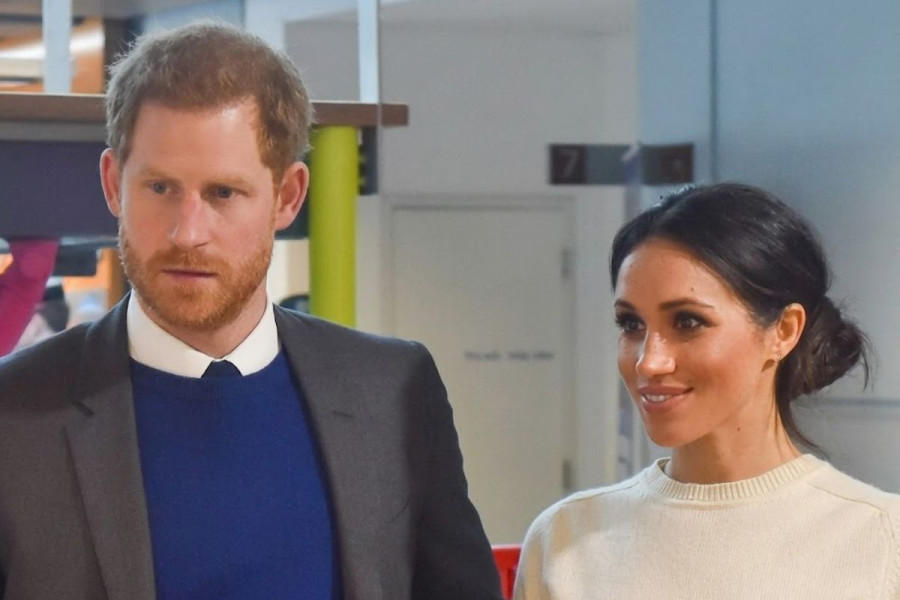
Facing 50 glowing smartphone screens displaying the lock-screen photos of children lost to digital harms, Prince Harry stood before the European Parliament on Tuesday, 10 November, to deliver an address on online child safety. But within hours, attention shifted from his policy message to a criminal case involving his wife's family.
Days earlier, Thomas Markle was arrested on a federal child sexual abuse material charge, leading critics to argue that Prince Harry's silence on the matter undermined the speech's credibility.
Prince Harry's Brussels Address
Opening the Lost Screen Memorial, Harry told lawmakers: 'I'm not here as an expert or a politician. I'm here as a father.' He asked how technology could do extraordinary things yet 'still struggle to make it safe for a child', branded platforms 'lawless' and called for 'safety by design'. The personal approach cut through the lobbying, but it also put his own credibility under the spotlight, and that is where critics aimed.
The couple had originally been scheduled to deliver a joint address. However, a spokesperson confirmed that Meghan stepped back from public speaking, leaving Harry to address lawmakers alone. Reports indicated she felt emotionally unable to take the stage following the news surrounding her estranged father. She still attended and sat in the front row.
🗣️ 'Don't put anything in front of our children that you wouldn't put in front of your own children.'
— Sky News (@SkyNews) November 10, 2026
The Duke of Sussex has been speaking about children's safety online and had a message for social media companies. pic.twitter.com/cecEYS9ejF
The Federal Charges Against Thomas Markle
Markle was arrested in Florida on 6 November 2026 on a federal criminal complaint over allegations that he possessed child sexual abuse material. He has not entered a plea, and these remain allegations.
Meghan says she distanced her children from her father solely to protect them, and that she received a copy of a 2019 letter containing 'troubling' allegations sent to the Metropolitan Police. Scotland Yard says it passed the letter to the couple's office and is reviewing how it was handled.


EU Kids Act Provisions
The proposed EU Kids Act sets out a clear age-based ladder. Social media accounts would be banned those under 13. Children aged 13 and 14 could have parent-supervised accounts, with a parent-set limit of up to one hour a day. From 15, young people could use social media independently.
To make that work, platforms could no longer rely on children simply stating their age. They would have to check it with certified tools. Minors would also get safer settings from the start, with location tracking, cameras, microphones and push notifications all switched off by default. AI companions could not be built to encourage emotional dependency.
The biggest change is who has to prove what. Instead of parents or regulators having to show that a service has harmed children, the largest platforms would have to submit audited plans demonstrating that their services are safe. That moves both the cost and the legal responsibility onto the tech firms.
Prince Harry and Meg are showing up for causes that truly matter to them.
— 🇬🇧King 🇬🇧 (@King0243_PJC) November 10, 2026
You can see the emotional weight of the day on Meg, but their bond and shared dedication to making a difference shine through.
They look incredible together and are doing such important work that is… pic.twitter.com/Ko7Cgf3Ui9
Why the Backlash Stuck
Reaction to Sky News's coverage of the speech was heavily critical. It focused on the couple's media deals and the Markle case rather than the proposed law. Critics argue that people who commercialise their family life lose the right to campaign on child welfare. Defenders reply that a law should be judged on its content, not on who speaks for it.
The hypocrisy is staggering. Harry apparently had no concern for the other children who may have been exposed to an alleged paedophile for eight years. But as long as Archie and Lili were safe, who cares about everyone else? 🤨
— Tris Morris (@TheMorrisLand) November 10, 2026
Bravo Harry.. every bit his mother’s son making his own way and mojo, he always had the integrity ideas and potential to get things done, gratifying to see that he is valued and respected abroad, despite the monarchy and UK media best efforts to destroy the Sussex’s! 👏
— MichelleF 🇬🇧🇸🇪🇮🇹 (@MichelleFattoru) November 10, 2026
The event illustrates the inherent compromise of high-profile advocacy. While a celebrity voice can give a technical proposal attention it would rarely get alone, that same fame can tie the reform to personal controversy.