There was a time when beauty trends lived almost entirely on bathroom shelves. Every season brought a new miracle cream, another expensive serum or a facial device everyone swore would 'change your skin overnight'. But lately, the beauty conversation has shifted somewhere unexpected: the kitchen.
Now, skincare is showing up in smoothies, wellness shots, adaptogenic lattes and collagen powders stirred into iced matcha before work. On TikTok, creators call it 'drinking your skincare' — a phrase that sounds slightly absurd at first, until you realise just how quickly the beauty industry has embraced it.
And honestly, once you start noticing it, you see it everywhere.
At London cafés, people queue for green juices marketed as skin-supporting. Beauty influencers carry glowing orange carrot drinks through Soho like accessories. Wellness menus increasingly read like skincare ingredient lists, packed with collagen, hyaluronic acid, probiotics and antioxidants.
Even beauty brands themselves are entering the supplements market, quietly expanding beyond creams and cleansers into powders, gummies and drinks designed to support skin from within.
But while social media has helped turn the idea into a trend, the thinking behind it is much older — and much more complicated — than TikTok aesthetics alone.
@aishapotters my lil glow potion
♬ original sound - migorengmedia
Why The Beauty Industry Became Obsessed With Wellness
The rise of 'drinkable beauty' didn't happen overnight.
For years, the beauty industry largely focused on topical solutions: products designed to sit directly on the skin. But over the last decade, consumer attitudes have changed dramatically. Increasingly, people no longer separate skincare, nutrition, fitness and mental wellbeing into entirely different categories.
They see them as connected.
Part of that shift came from the wider wellness boom that took over cities like London, Los Angeles and New York during the late 2010s and early 2020s. Suddenly, health became deeply tied to identity and lifestyle. Smoothies, Pilates memberships, supplements and skincare routines all started blending into the same aspirational world.
Beauty evolved alongside that mindset.
Instead of only asking, 'What cream should I buy?', people started asking broader questions:
- What foods affect inflammation?
- Does gut health influence acne?
- Can hydration change skin texture?
- What nutrients support collagen naturally?
And social media accelerated it massively.
How TikTok Turned Carrot Juice Into A Beauty Trend
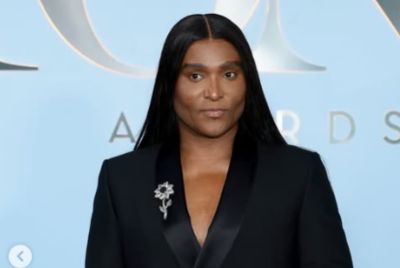
The phrase 'drink your skincare' exploded online after influencer Aisha Potter posted a TikTok showing herself drinking carrot juice while casually crediting it for her glow.
The video gained millions of views almost instantly.
Partly because the internet loves a simple beauty hack. But also because her skin genuinely looked incredible.
Soon, TikTok feeds filled with homemade juices featuring carrots, ginger, lemon, pineapple, celery and beetroot. Influencers documented 'skin smoothie routines' alongside morning skincare regimens, while cafés began promoting drinks specifically designed around beauty benefits.
And unlike some online beauty crazes, this one felt surprisingly believable.
After all, most people already understand that diet impacts overall health in some way. The idea that it might affect skin, too, doesn't feel particularly radical.
Still, the internet has a habit of turning nuanced health conversations into simplified miracle claims — and that's where experts urge caution.
What 'Drinking Your Skincare' Actually Means
Despite the catchy name, nobody is literally replacing moisturiser with juice.
The phrase refers to consuming drinks rich in nutrients associated with skin health, hydration and inflammation support. These typically include:
- Antioxidants
- Vitamin C
- Omega-3 fatty acids
- Probiotics
- Collagen peptides
- Zinc
- Beta-carotene
- Polyphenols
That distinction matters.
One smoothie won't suddenly erase acne, pigmentation or fine lines overnight. But consistent nutritional habits may help support healthier-looking skin over time.
Nutritionists often compare it to exercise. Going to the gym once changes very little. Repeating healthy habits consistently is what eventually creates visible results.
The History Of Beauty Drinks Isn't Actually New
Although TikTok helped modernise the trend, beauty-focused drinks have existed for decades.
In Japan and South Korea, especially, ingestible beauty products have long been part of mainstream wellness culture. Collagen drinks, jelly supplements and skin-supporting tonics became popular across East Asian beauty markets years before Western audiences caught on.
Traditional Chinese medicine and Ayurvedic practices have also historically connected diet with skin health, often emphasising inflammation, digestion and internal balance as visible contributors to complexion.
What's changed now is the branding.
Modern beauty drinks are packaged less like health supplements and more like lifestyle accessories. They're sold inside luxury gyms, fashion cafés and concept wellness spaces, often designed to feel aspirational as much as functional.
And in Britain, that aesthetic element absolutely matters.
Why London's Wellness Culture Embraced The Trend
London's beauty scene has changed noticeably over the last few years.
Wellness is no longer a niche or exclusively associated with luxury spas. It's become part of everyday city culture, particularly among younger professionals balancing beauty, fitness and lifestyle together.
Walk through neighbourhoods like Notting Hill, Marylebone or Shoreditch, and you'll see wellness cafés packed with people ordering collagen matcha, green juices and protein smoothies before work.
Places like Joe & The Juice have become staples for health-conscious commuters, while department stores, including Selfridges, increasingly dedicate space to nutrition-led beauty concepts.
There's also a distinctly British version of the trend emerging.
Unlike the hyper-perfected wellness culture often associated with Los Angeles, London's approach tends to feel slightly more balanced — less about perfection, more about maintenance and routine.
People want healthier skin, yes. But they also want practicality.
That's partly why functional beauty drinks have gained traction here. They slot neatly into busy routines without requiring major lifestyle overhauls.
The Ingredients Most Commonly Found In Beauty Drinks
Collagen
Collagen is the protein responsible for helping skin maintain firmness and elasticity. Natural collagen production declines with age, which explains why collagen powders and drinks have become such huge business categories.
Some studies suggest collagen supplements may help support hydration and elasticity over time, although results vary between individuals.
Antioxidants
Antioxidants help protect cells against oxidative stress caused by pollution, UV exposure and inflammation.
Ingredients rich in antioxidants include:
- Berries
- Green tea
- Citrus fruits
- Cocoa
- Leafy greens
Beta-Carotene
Found heavily in carrots and sweet potatoes, beta-carotene converts into vitamin A inside the body and supports skin renewal.
This is largely why carrot juice became the poster child of the TikTok trend.
Omega-3 Fatty Acids
Omega-3s help support the skin barrier and hydration. They're commonly found in:
- Salmon
- Walnuts
- Chia seeds
- Flaxseeds
Probiotics
Growing research around the gut-skin connection has pushed probiotics into beauty conversations, too. Some experts believe balancing gut bacteria may help reduce inflammation linked to skin conditions like acne and rosacea.
Can Drinking Your Skincare Replace Actual Skincare?
In short: no.
Dermatologists consistently stress that nutritional support should complement skincare, not replace it.
Topical products still play a major role in treating concerns like:
- Acne
- Hyperpigmentation
- Sun damage
- Fine lines
- Sensitivity
No collagen smoothie or green juice can protect skin from UV damage in the same way sunscreen can.
As an NHS GP and aesthetic doctor, Dr Alicia Gonzalez-Fernandez has explained, many drinks contain beneficial nutrients, but they are not substitutes for medically proven skincare practices.
The healthiest approach is usually combining both:
- Nutrient-rich diets
- Consistent hydration
- Good sleep
- Topical skincare
- Daily SPF
Why The Trend Resonates Emotionally
Part of the reason this movement has lasted longer than many internet beauty crazes is that it connects to emotion as much as appearance.
People increasingly want beauty rituals that feel comforting and intentional.
Making a smoothie in the morning, carrying a wellness drink across London or building routines around self-care creates a sense of control — especially during periods when life feels chaotic or overstimulated.
The ritual becomes part of the appeal.
And unlike highly performative beauty trends that require dramatic transformations, 'drinking your skincare' feels relatively achievable. Most people can realistically add more water, fruit or nutrient-rich foods into their routines without completely reinventing themselves.
That accessibility helps explain why the trend continues growing.
Common Misconceptions About Beauty Drinks
'One Juice Will Transform My Skin'
Unlikely.
Skin health develops gradually and is influenced by hormones, sleep, genetics, stress, hydration and lifestyle overall.
'Natural Means Better'
Not necessarily.
Some smoothies marketed as healthy contain surprisingly high sugar levels, which can contribute to inflammation and collagen breakdown.
'Supplements Work Instantly'
Most nutritional interventions require consistency over weeks or months before visible effects appear.
'Topical Skincare Doesn't Matter Anymore'
Definitely false.
Even wellness-focused dermatologists still emphasise cleansing, moisturising and SPF as essential basics.
So, Is 'Drinking Your Skincare' Just Another Beauty Fad?
Probably not.
The specific drinks may evolve. Today it's carrot juice and collagen smoothies; next year it could be something entirely different. But the broader shift towards internal wellness as part of beauty culture seems likely to stay.
Consumers increasingly understand that skin reflects overall well-being in ways beauty products alone cannot fully control.
And while social media often exaggerates results, the underlying idea — supporting skin through nutrition and lifestyle — isn't particularly extreme.
If anything, it reflects a more holistic understanding of beauty than many previous trends did.
Just perhaps don't expect one £10 smoothie to single-handedly deliver Hailey Bieber skin overnight.