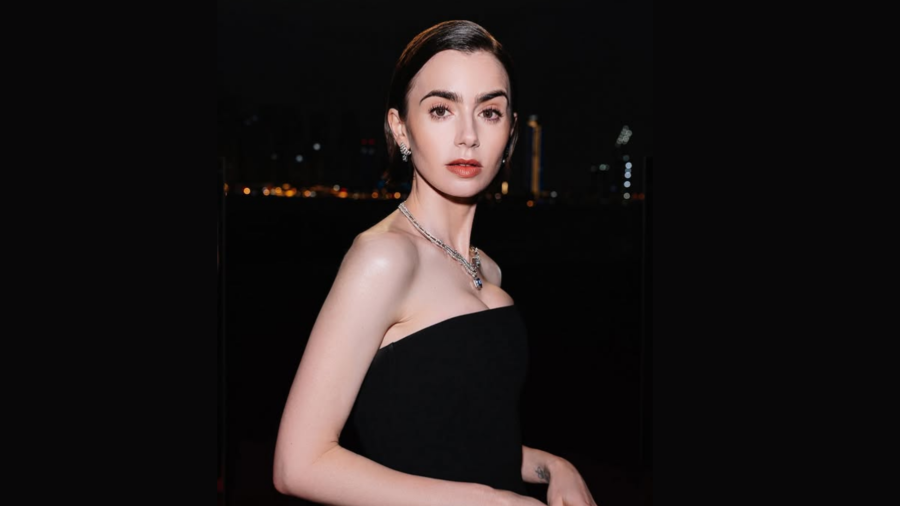
There are very few haircuts that genuinely survive decades of fashion mood swings, economic shifts, and changing ideas of beauty. The bob is one of them. Walk through London today — from Fitzrovia salons to South Kensington blow-dry bars — and you'll still see it everywhere, quietly doing what it has always done best: making people look instantly put-together without trying too hard.
What makes the bob so interesting isn't just that it trends again and again, but that it never really belongs to one moment. It shows up in different forms depending on the decade, the culture, and even the mood of the city. In Britain especially, where practicality and polish tend to sit side by side, the bob has become less of a fashion statement and more of a styling language.
A Brief History of the Bob: From Rebellion to Refinement
The bob didn't start as a 'nice haircut'. In the 1920s, it was controversial—a sharp break from the long, structured hair associated with traditional femininity. Women cutting their hair into short, blunt shapes were making a visible statement about modernity and independence.
By the 1960s, it had evolved into something sleeker and more geometric, thanks to stylists like Vidal Sassoon, who transformed the bob into a precision cut that matched the era's obsession with clean design. Think sharp lines, architectural silhouettes, and hair that moved like sculpture.
In the 1990s and early 2000s, it softened again. The bob became more layered, more undone, more 'off-duty model' than revolutionary symbol. And today, it sits somewhere in between: structured enough to feel intentional, but relaxed enough to feel wearable.
That's the real reason it never disappears. The bob doesn't belong to one identity—it adapts to whoever is wearing it.
Why the Bob Works on So Many People (and Always Has)
One of the most misunderstood things about the bob is the idea that it's a 'one-size-fits-all' haircut. In reality, it's one of the most customisable shapes in hairdressing.
Stylists across London often talk about the bob in terms of weight distribution rather than length. Where the weight sits — at the ends, through the crown, or around the face — completely changes how the haircut behaves.
A blunt bob creates density and structure, which is why it often works well for finer hair types. A layered or graduated bob introduces movement, which suits thicker or heavier hair. A longer bob (often called a lob) gives flexibility for styling without losing the shape entirely.
What matters more than the exact version is how it interacts with your natural texture. A good stylist isn't just cutting a shape—they're balancing proportion, face shape, and how hair behaves day to day.
The Main Bob Families (and What They Really Do)
Rather than treating bob styles as seasonal trends, it's more useful to think of them as 'families'—each with a different purpose.
The Blunt Bob
This is the foundation. One length, clean edges, no distraction. It's often recommended because it creates the illusion of thickness by concentrating weight at the perimeter. It's also one of the easiest to maintain—a simple blow-dry or air-dry can be enough.
The French Bob
Shorter, slightly softer, often paired with a fringe. It carries a relaxed, slightly lived-in quality that has become very associated with modern London-French style dressing—effortless, but still considered.
The Lob (Long Bob)
The most adaptable version. It sits just above or below the shoulders and works well for people who want movement without committing to short hair. It's also one of the easiest cuts to grow out.
The Curved Bob
A subtle evolution of the classic shape, where the ends naturally tuck inward. It feels polished without being rigid—the kind of cut that works well in professional environments but still feels modern.
The Volumised or 'Bouncy' Lob
This is less about the cut itself and more about how it's styled. It relies on lift at the roots and soft movement through the lengths, often achieved with blow-drying techniques or rollers rather than heavy products.
The Beehive-Inspired Bob
This is the most expressive variation—not literal retro styling, but an idea borrowed from it. It focuses on height at the crown and softness at the ends, creating a lifted silhouette that feels more editorial than everyday.
How to Choose the Right Bob for Your Face Shape (The Timeless Rules)
While trends change, face shape principles remain surprisingly consistent.
- Oval faces can wear almost any bob shape, which is why you often see the most experimental cuts here.
- Round faces tend to suit longer bobs or slightly angular cuts that add definition.
- Square faces often benefit from softer layers or curved ends that reduce sharpness.
- Heart-shaped faces work well with chin-length cuts that balance narrower jaws.
- Long faces often suit shorter bobs or fringe additions that create width.
These aren't strict rules, but they do help guide proportion, which is really what a bob is all about.
Styling the Bob: What Actually Matters Long-Term
One of the biggest shifts in modern hairdressing is the move away from over-styling. Instead of layering multiple products, the focus is now on enhancing natural shape.
A few principles remain consistently useful:
- Blunt finishes benefit from minimal product to keep edges sharp.
- Layered bobs need light movement creams or sprays, not heavy oils.
- Heat styling works best when used sparingly but intentionally, rather than daily.
- Air-drying is increasingly part of modern styling, especially in London, where texture is embraced rather than flattened.
Good styling is less about control and more about direction—guiding the hair rather than forcing it.
@e.bussy0 Bob tutorial that no one asked for☺️ #bob #shorthair #hairstyle #bobhairstyle ♬ Come Down Soon - Lizzy McAlpine
Why the Bob Keeps Coming Back (Especially in Britain)
There's something particularly British about the bob's staying power. It fits into everyday life without demanding too much maintenance, but still feels polished enough for work, evenings out, or even formal settings.
It also reflects a broader cultural shift: people are moving away from high-maintenance beauty routines and towards cuts that feel intentional but manageable. In that sense, the bob is not just a hairstyle—it's a response to how people actually live.
More than anything, it's adaptable. And in fashion and beauty, adaptability is often what defines longevity.
Final Thought: The Bob as a Constant, Not a Trend
If there's one reason the bob never really disappears, it's because it doesn't try to belong to a single moment. It evolves quietly, shifting shape depending on who is wearing it and how they want to present themselves.
From its rebellious beginnings to its current role as a quietly powerful staple in London salons, the bob remains one of the few haircuts that can be both practical and expressive at the same time.
And that's probably why, no matter how many 'new' hair trends arrive each year, people keep coming back to it.