There's something oddly personal about a haircut. It's rarely just about changing your look—it usually marks a mood shift, a new chapter, or sometimes just the need to feel a bit more like yourself again. And few cuts carry that emotional weight quite like a fringe.
Walk into any salon in London and ask about bangs, and you'll likely hear the same conversation unfold: 'Do you want something blunt or soft?' It's a small question that leads to a surprisingly big decision. Because while fringes come and go in trend cycles, the desire to frame the face in a flattering way never really disappears.
That's where softer, lighter interpretations—what we now casually call 'airy bangs'—fit in. But rather than treating them as a passing trend, it's more useful to see them as part of a much longer story about how we've always used hair to soften, shape and express identity.
A Brief History of Bangs: From Statement Cuts to Soft Framing
Fringes have been part of fashion history far longer than most people realise. In the 1920s, blunt, sculpted bobs and straight-across bangs became symbols of modern womanhood—sharp, intentional and slightly rebellious for the time. Think Louise Brooks and the rise of the flapper era: hair as a declaration of independence.
By the 1960s and 70s, bangs softened. Icons like Jane Birkin and Brigitte Bardot introduced a more undone, effortless version—slightly grown-out, face-skimming, and far less rigid. This was the beginning of what we now think of as 'lived-in' hair.
Then came the 90s and early 2000s, where fringes became more experimental again—chunky sections, side-swept styles, and heavily styled looks that often required a round brush and a lot of patience.
Today's softer, feathered interpretation sits somewhere in the middle of all of that history. It borrows the ease of the 70s, avoids the harshness of early 2000s styling, and works with modern expectations of low-maintenance beauty.

Why Softer Bangs Work for So Many People
The appeal of lighter, face-framing bangs isn't really about age or trend—it's about balance.
Unlike heavy, blunt fringes, which can feel like a bold commitment, softer bangs are more forgiving. They grow out easily, blend into the rest of the hair, and don't require constant upkeep. That alone makes them appealing to anyone who doesn't want a haircut to become a monthly obligation.
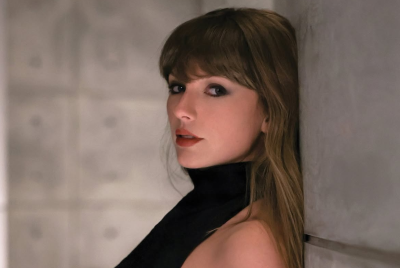
But there's also something visual happening here. Softer bangs don't overpower the face—they frame it. They can highlight cheekbones, soften the forehead, or simply add movement to otherwise straight hair.
Celebrity hairstylists often point out that the most flattering styles are rarely the most dramatic ones. Instead, they're the ones that work with natural texture and bone structure rather than against it.
Helen Mirren, Halle Berry and other style icons across generations have all, at different times, leaned into this idea: hair that enhances rather than reshapes.
The Psychology of Changing Your Hair
There's a reason people consider a fringe a 'big decision' even though it's just hair. It sits at the front of the face, which means it changes how we see ourselves immediately in the mirror.
Psychologically, small changes in hair can feel like a reset. A fringe—especially a softer one—can act like a visual cue that something has shifted internally, even if nothing else has changed.
That's also why many people hesitate. The fear isn't just 'Will it suit me?' but 'Will I still feel like me?'
This is where softer, more adaptable styles come in. Because they don't drastically alter your face, they allow room for adjustment. You can tuck them, part them differently, grow them out easily, or let them blend into layers over time.
In that sense, they offer something quite rare in beauty: flexibility.
Choosing the Right Fringe for Your Face Shape (Without Overthinking It)
While there are no strict rules anymore, certain general principles can help guide the decision:
- Round face shapes often suit longer, slightly parted bangs that create vertical balance.
- Oval faces can carry almost any fringe style, from light and wispy to slightly fuller shapes.
- Square jawlines tend to soften beautifully with feathered, uneven bangs that break up structure.
- Heart-shaped faces often work well with curtain-style bangs that blend into longer layers.
But the most important factor is not geometry—it's lifestyle. If you prefer low-maintenance styling, a softer fringe will always be easier to manage than a blunt cut.
How to Style Softer, Face-Framing Bangs in Real Life
One reason softer bangs remain popular is that they don't require a complicated routine.
Most stylists will recommend working with damp hair rather than fighting it once it's dry. A light volumising product can be applied at the roots, followed by rough drying with fingers instead of brushes. This keeps the texture natural rather than overly polished.
The goal is movement, not perfection.
A quick reshape with fingers in the morning is often enough. If anything, the beauty of this style is that it improves slightly as the day goes on, rather than collapsing into stiffness.
The Low-Maintenance Appeal of Modern Bangs
One of the biggest shifts in recent years is the move away from high-maintenance beauty routines. Hair is no exception.
Soft, adaptable bangs fit into this wider change. They don't demand weekly trims or precise styling tools. Instead, they grow out gracefully and can be reshaped over time into layers if you decide you're done with them.
That adaptability is a key reason they've remained relevant across decades, even as specific versions come and go.
Why This Look Keeps Coming Back (And Always Will)
If you look closely at hair trends over the past 100 years, you'll notice something interesting: bangs never disappear completely. They just change shape.
Sometimes they're sharp and structured. Sometimes they're soft and barely there. But they always return because they solve a simple styling question: how do you frame the face in a way that feels flattering, current and personal?
That's why softer, lighter fringes feel less like a fleeting trend and more like an ongoing option in the beauty toolkit.
Final Thought: Hair That Moves With You
At its best, hair shouldn't feel like a fixed identity. It should evolve as you do.
Softer, face-framing bangs work because they don't insist on a single version of you. They can be grown out, reshaped, tucked away or styled forward depending on the day.
And maybe that's why they endure. Not because they're the trend of the moment—but because they quietly adapt to every moment after it.