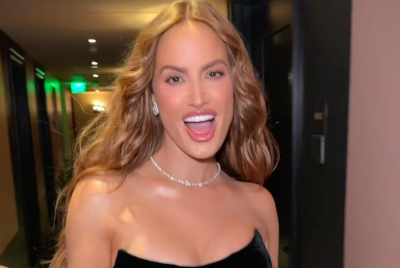

In a beauty world often dominated by injectables and cosmetic procedures, one of the most effective 'anti-aging' tricks is refreshingly simple and completely non-invasive.
It doesn't come in a bottle or require a clinic visit. Instead, it relies on something far more accessible: how you style your hair.
For decades, hairstylists have used subtle tension, placement, and structure to create the illusion of a more lifted, youthful face. Often described as a 'non-surgical facelift', this technique continues to stand the test of time because it works across ages, face shapes, and trends.
The 'Instant Lift' Hairstyle Explained
At its core, this technique is about strategic tension.
By pulling small sections of hair upward and back, especially around the temples, you create a gentle lift in the surrounding areas of the face. This can subtly elevate the appearance of the cheeks, smooth the jawline, and open up the eye area.
It's not about pulling the hair tightly for the sake of it. Instead, it's about controlled placement: lifting where it flatters most, while keeping the overall look soft and natural.
This principle has been used in hairstyling for years, particularly in editorial and red carpet settings, but it's just as effective in everyday routines.
Why It Works: The Science Behind the Look
The effectiveness of this hairstyle comes down to basic visual perception.
As we age, skin naturally loses elasticity, and facial features can appear to shift downward slightly. By lifting the hair upward, you counterbalance that movement, creating the illusion of tighter, more defined contours.
It's similar to how contouring works in makeup, but instead of using color and shadow, this technique uses direction and tension.
There's also a psychological element at play. Faces framed with upward movement tend to appear more energized and refreshed, while downward lines can read as tired or heavy.
How to Recreate the Lifted Look at Home
The beauty of this technique is its adaptability. With a few simple steps, you can recreate the effect at home, no professional styling required.
Start With the Right Texture
Contrary to popular belief, freshly washed hair isn't always ideal.
Slightly 'lived-in' hair tends to hold shape better because natural oils add grip. If your hair is freshly washed, you can mimic this by using a dry shampoo or texturizing spray to add structure.
Step 1: Build a Foundation of Volume
Flip your head upside down and apply a light texturizing spray from mid-lengths to ends. Gently scrunch the product in with your hands.
This creates internal volume and prevents the style from falling flat, which is key to achieving a lifted effect.
Step 2: Smooth Strategically
Use your hands, not a brush, to gather your hair.
Apply a small amount of lightweight styling cream to smooth the surface and control flyaways. This keeps the look polished without flattening the natural texture you've just created.
Step 3: Position for Lift
Pull your hair back into a ponytail or gathered style, placing it slightly higher than usual.
Keep the sides relatively snug to create lift around the cheeks and jawline, while allowing a bit of softness at the crown. This balance prevents the style from looking too severe.
Step 4: Secure and Sculpt
Tie your hair in place, then secure it again with a second band if needed. This added tension helps hold the lifted shape throughout the day.
You can gently adjust sections at the crown to add height or soften the look, depending on your preference.
Step 5: Personalize the Finish
This final step is where the style becomes your own.
- Loosen a few strands for a softer, everyday feel
- Keep everything sleek for a more polished look
- Add volume at the crown to elongate the face
Small adjustments can make a big difference in how the style complements your features.
Adapting the Technique for Different Hair Types
One reason this trick remains relevant is its versatility.
- Fine hair: A top knot or bun can add volume while still creating lift
- Thick hair: Keeping the sides smooth and controlled enhances definition
- Curly hair: Embrace natural texture while focusing on upward direction
- Short to medium lengths: Even partial pull-backs can create a lifting effect
The key is not the specific style, but the direction, upward and away from the face.
A Softer Alternative: The Lifted Top Knot
If a ponytail isn't your preference, a top knot offers a similar effect.
By positioning the bun higher on the head, you achieve lift while adding volume and balance. This option tends to feel slightly more relaxed and can be especially flattering for casual, everyday wear.
The Role of Hair Health in a Youthful Look
While styling plays a major role, overall hair condition is just as important.
Hair experts like Andrew Barton often emphasize that moisture is key, particularly as hair matures. Well-hydrated hair reflects light more evenly, naturally enhancing shine and softness.
Regular trims help maintain shape and prevent ends from looking thin or tired, while subtle layers can add movement and frame the face more effectively.
Color also contributes. Multi-dimensional tones, such as soft highlights or lowlights, create depth and prevent hair from appearing flat or dull.
Why This Technique Stands the Test of Time
Trends come and go, but techniques rooted in structure and balance tend to last.
This hairstyle trick isn't tied to a specific era or celebrity moment. It's based on fundamental principles of proportion, movement, and perception, making it endlessly adaptable.
Whether worn sleek or relaxed, polished or undone, the goal remains the same: to enhance natural features in a way that feels effortless.
The Takeaway
Looking more refreshed doesn't always require a dramatic change.
Sometimes, it's as simple as adjusting how you pull your hair back.
With a few thoughtful tweaks, adding texture, lifting the placement, and balancing structure, you can create a subtle yet noticeable difference that works at any age.
And that's what makes this technique truly timeless.