You might have come across the term 'looksmaxxing' as you scroll through social media. At first, it sounds like some strange fitness trend or a new beauty hack, but it's actually an internet phenomenon that's been quietly growing for years.
In simple words, looksmaxxing is all about making yourself look as good as possible—sometimes with simple changes and other times with more extreme interventions. While it started mostly among men online, especially in certain forums and TikTok communities, it's now gaining wider attention.
But here's the thing, looksmaxxing isn't just about putting on a bit of makeup or hitting the gym. It's tied to bigger ideas about beauty, social validation, and what society considers 'desirable'. That's why it has sparked a lot of debate, especially around whether women can, or even should, get involved.
So, What Exactly Is Looksmaxxing?
Looksmaxxing is about optimising your appearance. The word itself comes from 'looks' (your physical appearance) and 'maxxing' (slang for maximising or improving something). The latter was originally gaming jargon before people started using it in these online self-improvement communities.
The idea is to make yourself as attractive as possible based on whatever standards are popular in that space.
It all began in male-oriented forums, some of which were part of the so-called incel or 'manosphere' communities. In these spaces, guys would talk about everything from working out to jawline exercises to cosmetic procedures, all with the goal of becoming more 'socially desirable'.
Over time, the conversation spilled over onto mainstream platforms like Reddit, TikTok, and Instagram, with content ranging from serious guides to lighthearted memes.
There are two main ways people approach looksmaxxing:
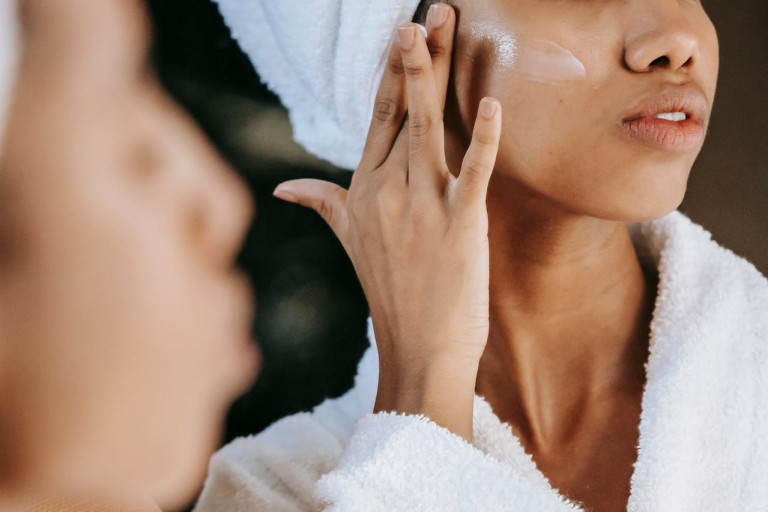
- Softmaxxing: These are the basics, including skincare, haircare, exercise, posture work, or just dressing better. Nothing extreme and only taking steps to improve your overall appearance.
- Hardmaxxing: This involves more intensive measures, such as cosmetic surgery, fillers, extreme dieting, or experimental procedures. It's riskier, more expensive, and sometimes controversial.
What's interesting is that while softmaxxing steps are basically normal self-care, looksmaxxing reframes them in a competitive — and sometimes obsessive — way. People measure their progress in terms of facial symmetry, jaw definition, or even 'sexual market value'.
8 Weeks of looksmaxxing (for real) pic.twitter.com/Fj4B8ajqTv
— oliver forslin (@oliverforslin) March 30, 2026
Men Leading This Beauty Trend
Even though anyone can improve their appearance, men have dominated looksmaxxing as a designated trend. Below are a few reasons for this:
1. The Origin
Because the trend originated in male-focused online communities, the language and priorities naturally centred around male beauty standards. Terms like 'hunter eyes' or 'chiseled jawline' became common, which are traits traditionally considered attractive in men.
2. Competitive Culture
In these online spaces, attractiveness is often treated like a score you can improve. People talk about rankings, stats, and 'levels', similar to a video game. This competitive edge makes the trend feel male-centric, even when women could technically follow the same tips.
3. Algorithm Factor
Social media algorithms love content that's visual and extreme. Transformation videos, before-and-after pictures, and cosmetic tutorials are all highly shareable. While this makes looksmaxxing more visible, it also tends to highlight male voices and male-focused content, since that's where the original community lies.
Can Women Join Too?
The good news is women can totally do looksmaxxing. Practically all the techniques are universal. But the way women experience it is very different from the male-dominated corners of the internet.
Softmaxxing Works for Everyone
Women already have a long history of self-care and beauty routines. Using a good moisturizer, styling your hair, eating well, and staying active are all forms of softmaxxing.
The main difference is context. Men in looksmaxxing communities often approach these routines with the added pressure of online ranking and comparison, which isn't as central for most women.
The Concept Isn't New Here
Many women don't need looksmaxxing to improve their appearance. The beauty industry has been doing that for decades.
Fashion magazines, influencers, and cosmetic brands have been teaching women how to enhance their looks long before this term existed. Looksmaxxing is essentially a repackaging of practices women already know, but with a male-centric twist and online jargon.
Mind the Culture
Women engaging with looksmaxxing should be aware that the culture it comes from isn't always positive. Some of the male-dominated forums that popularised the trend carry toxic messages about masculinity, attractiveness, and social worth. The practices themselves might be useful, but the underlying tone and reasoning can be problematic if adopted.
Potential Pitfalls of Looksmaxxing
Even when approached with good intentions, looksmaxxing comes with potential downsides.
1. Unrealistic Beauty Standards
The trend often promotes narrow ideas of what attractive looks like, which aren't realistic or healthy for everyone. Trying to hit these ideals can lead to disappointment or frustration.
2. Mental Health Impacts
Obsessing over minor imperfections can feed anxiety, body dysmorphia, and unhealthy behaviours like extreme dieting or over-exercising. Tracking your attractiveness like a game score is rarely good for mental health.
3. Cultural and Social Pressures
Because looksmaxxing originated in forums with strong gender perspectives, it can unintentionally reinforce ideas about worth being tied to appearance.
That pressure isn't limited to men. Women might feel it too if they adopt the trend blindly.
Healthy Ways to Participate
If you're curious about looksmaxxing but want to stay grounded, here are some safe ways to participate:
- Prioritise health: Sleep well, eat nutritious foods, exercise, and practice skincare. These have real benefits beyond looks.
- Ignore extreme hacks: Be sceptical of advice promising rapid transformations or drastic surgical results.
- Focus on confidence: The goal should be feeling comfortable in your own skin, not conforming to online ideals.
- Mind your mental well-being: If your appearance worries are causing stress or anxiety, consider speaking to a qualified professional rather than chasing internet trends.
The best results come when you combine self-care with self-acceptance. After all, confidence and comfort in your appearance are often more attractive than chasing someone else's ideal.
Is Looksmaxxing Worth Trying?
Looksmaxxing is more than a trend. It's a reflection of how internet culture, beauty standards, and social validation collide in the digital age.
While it started in male-dominated spaces, the practices themselves aren't limited to men. Women can absolutely take part, but the experience is different because the trend's framing, language, and social context weren't created for them.
At the end of the day, the healthiest approach is to focus on self-care, confidence, and well-being. Don't try to hit random online standards. Looksmaxxing can offer useful tips for grooming and fitness, but it shouldn't replace a balanced and self-respecting approach to beauty.
In a world where comparison is easy, the real goal should always be feeling good in your own skin—whatever that looks like for you.