

There's a moment most people recognise. You catch your reflection in natural light, maybe in a lift mirror or while walking past a shop window, then you notice your skin looks... flat.
Not unhealthy, not breaking out—just lacking that brightness it used to have. It can feel like it happened overnight, but in reality, it rarely does.
Skin dullness is usually gradual. It builds up through small everyday habits that don't seem harmful at first. From skipping a glass of water to rushing through your skincare at night, these routines quietly affect how your skin renews itself, holds moisture, and reflects light. Understanding what's behind that change is often the first step to getting your glow back.
How skin starts looking dull
Healthy skin reflects light evenly, which is what gives it that natural radiance. When the surface becomes uneven — whether due to dryness, buildup, or damage — it scatters light instead. That's when skin starts to look dull, tired, or slightly older than it actually is.
Factors like hydration, cell turnover, and environmental exposure all influence skin brightness. When these processes slow down or become disrupted, the skin's texture changes and radiance fades.
It's not always about age, either. Someone in their 20s can experience dullness just as easily as someone older, especially when lifestyle habits start to catch up.
When dead skin cells build up
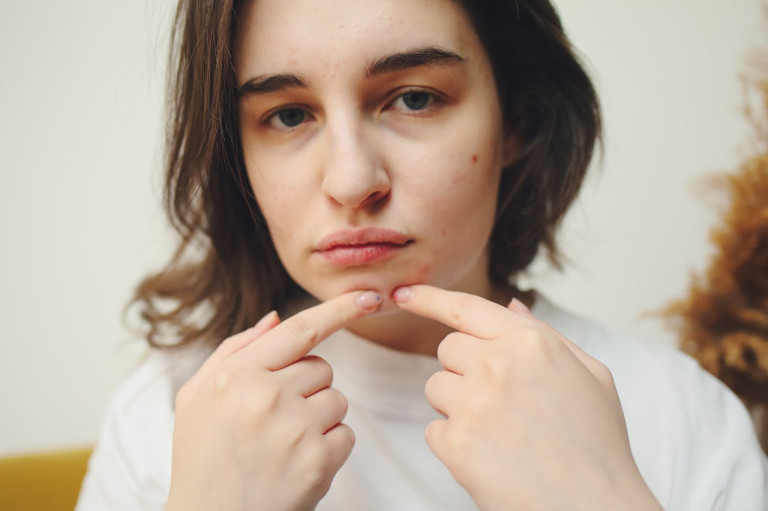
Your skin naturally sheds dead cells to make way for new ones, but this process isn't always consistent. Stress, fatigue, and environmental exposure can slow down cell turnover, causing dead skin cells to accumulate on the surface.
When this happens, the skin feels rough and looks uneven. Even if your skin is physically healthy, your complexion may seem flat or 'greyish' due to improper light reflection. Regular exfoliation can help support this natural renewal process.
For instance, your skin may feel clogged and seem notably dull after a long week of late nights and minimal skincare. That's often a sign that dead skin cells haven't been cleared effectively.
But beyond this, several everyday habits can further slow skin renewal and make dullness more noticeable over time.

Habit 1: Not drinking enough
It sounds basic, but hydration plays a major role in how your skin looks. Your skin may become less elastic and plump when your body is dehydrated, which will make fine wrinkles more noticeable and the texture less smooth.
Studies suggest that increasing water intake can improve skin hydration and overall appearance, particularly for those who are mildly dehydrated. Without enough fluids, the skin can appear tight, dry, and less radiant.
Think about how your skin looks after a long day of coffee, little water, and air-conditioned spaces. That slightly dull and tired look is usually dehydration showing up on the surface.
Habit 2: Skipping moisturiser and sunscreen
Hydration doesn't stop at drinking water. Your skin needs topical support too. Skipping moisturiser can weaken the skin barrier that leads to dryness and a rough texture with poor light reflection.
Sunscreen is just as important. Daily UV exposure breaks down collagen and causes pigmentation changes, both of which contribute to dullness later on. Experts recommend using broad-spectrum sunscreen daily, even on cloudy days.
If you've ever noticed your skin looking more uneven after a few days without sunscreen, that's not a coincidence. Even for little amounts of time spent outside, sun exposure builds up rapidly.
Habit 3: Inconsistent cleansing
Cleansing might seem like the most straightforward step, but inconsistency here can quickly affect your skin's appearance. Makeup, oil, and toxins from the environment remain on the skin when you skip or speed through your nighttime cleansing.
This accumulation can eventually block pores and combine with dead skin cells to produce a congested and lifeless complexion. Several researches highlight how pollution particles can contribute to skin ageing and uneven tone when not properly removed.
A realistic example would be going to bed after a long day without washing your face. It might not result in a breakout right away, but your skin may appear visibly less fresh the following morning.
Habit 4: Overusing hot water
Hot showers can feel relaxing, especially after a long day, but they can also strip your skin of its natural oils. These oils are essential for maintaining moisture and protecting the skin barrier.
When they're repeatedly removed, the skin becomes dry and more prone to irritation. This dryness creates an uneven surface, which reduces how well light reflects off the skin.
In order to prevent damaging the skin barrier, dermatology guidelines advise using lukewarm water instead, especially for the face. If your skin feels tight immediately after washing, it's often a sign that the water temperature may be too high.
Habit 5: Poor sleep patterns
Your skin heals itself as you sleep. Blood flow rises during this period, as the body tries to replenish lost fluids and repair collagen. When you don't get enough rest, this repair process is interrupted. The result is skin that looks tired, uneven, and less radiant. Dark circles and dullness are often the first visible signs.
Keep in mind that consistent sleep is essential not just for overall health, but also for skin function and recovery. You've probably experienced this yourself—even if your routine hasn't altered, your skin may appear less vibrant after a sleepless night.
Habit 6: Smoking
Smoking has a direct impact on skin health. It reduces blood flow, meaning less oxygen and fewer nutrients reach the skin. Eventually, this can lead to a skin complexion that looks dry.
It also accelerates the breakdown of collagen and elastin, which are responsible for maintaining skin firmness and smoothness. Apparently, smoking is a major contributor to premature skin ageing.
Even occasional smoking can affect how your skin looks, particularly in terms of brightness and tone.
Habit 7: Unbalanced diet
What you eat shows up on your skin more than you might expect. Diets high in sugar and processed foods can contribute to inflammation and affect collagen production, which in turn impacts skin texture and radiance. On the other hand, a lack of essential nutrients — such as vitamins A, C, and E — can slow down skin repair and renewal.
If your meals have been more convenience-based than balanced lately, your skin may reflect that change with a pale appearance.
How to bring back glow
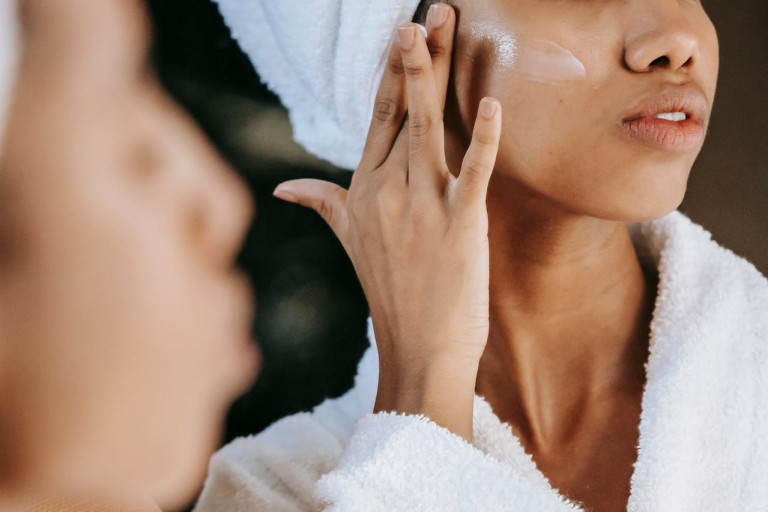
The good news is that dull skin is often manageable with simple yet consistent changes. Hydration is a strong starting point, both by drinking enough water and using a moisturiser suited to your skin type.
Gentle exfoliation can help remove dead skin cells and promote rejuvenation, improving how your skin reflects light. Dermatologists generally recommend avoiding harsh scrubs and opting for mild exfoliants instead.
Additionally, daily sunscreen use is equally crucial. Protecting your skin from UV damage helps maintain an even tone and prevents further dullness and even dryness.
Lifestyle adjustments also make a difference. Getting enough sleep, managing stress, and maintaining a balanced diet all contribute to healthier-looking skin.
The key here is consistency. Small, steady changes to encourage healthier living often have the most noticeable impact.
The simple truth about skin
Dull skin doesn't usually come down to one single cause. It's often the result of everyday habits gradually affecting how your skin functions.
The encouraging part is that these habits can be adjusted. By paying attention to your daily routine and making small improvements, you can support your skin's natural renewal process and restore its brightness.
In many cases, achieving radiant skin isn't about adding more products. It's about understanding the basics—and sticking to them.