
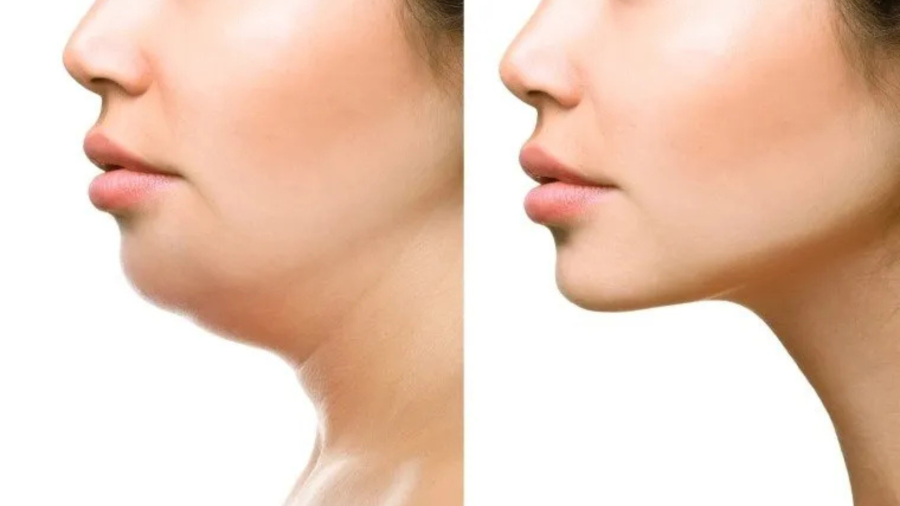
A bit of fullness under the chin can happen for all sorts of reasons. Sometimes it's simply how your body stores fat. Other times, it's down to skin that isn't quite as firm as it once was. The tricky part is that those two things look similar in the mirror—but they're not the same, and they don't respond to the same solutions.
In an age of filters, sharp contour lines, and 'five-minute fixes', it's easy to assume anything beneath the chin can be exercised or dieted away. That isn't quite true. For some people, it's a small pocket of fat. For others, it's the gradual loss of skin elasticity over time. And very often, it's a mix of both.
If you've ever caught your reflection on the Tube window or adjusted your camera angle mid-Zoom, you're certainly not alone. Let's unpack what's actually going on—calmly, realistically, and without turning it into a flaw that needs urgent fixing.
Double Chin vs Loose Skin: What's Actually Happening?
Before you think about creams, exercises, or treatments, it helps to understand what you're seeing.
When It's Fat
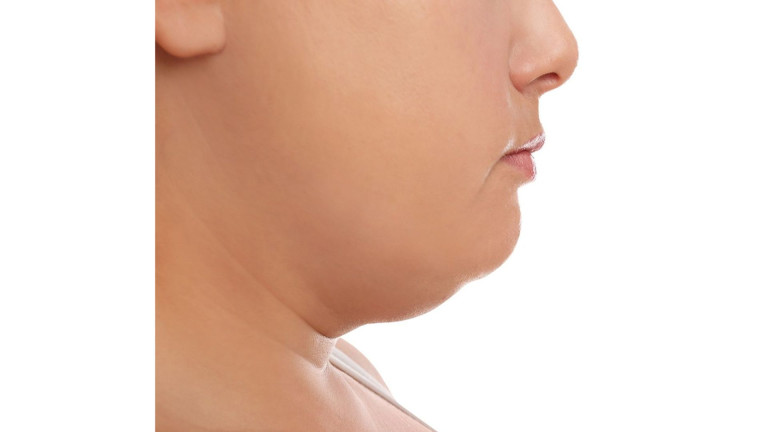
What most people call a 'double chin' is usually a small pocket of fat sitting beneath the chin. You don't have to be overweight to have one. In fact, plenty of slim people do.
Common reasons include:
- Genetics — some of us are simply predisposed to store fat there
- Overall weight gain
- Natural fat distribution patterns
- Facial structure (for example, a slightly recessed chin can make fullness look more noticeable)
Fat in this area tends to feel soft and thicker when you pinch it.
When It's Loose Skin
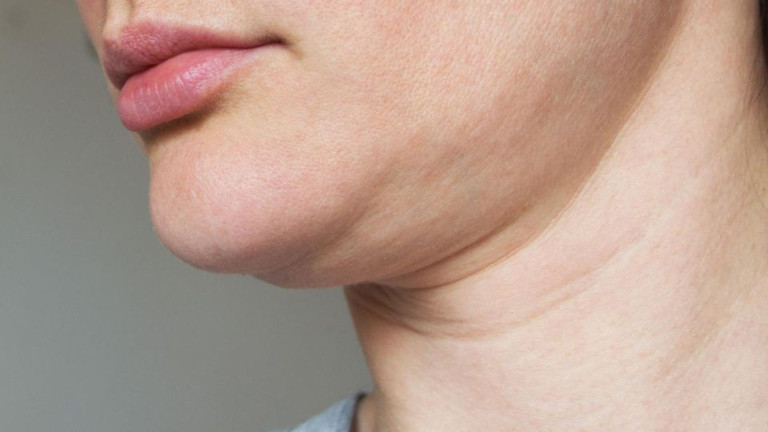
Skin laxity is different. This is when the skin itself has lost some of its bounce and firmness. It may look slightly crepey or sag gently, particularly when you tilt your head down.
This usually happens because of:
- Gradual collagen loss with age
- Sun exposure over the years
- Rapid weight loss
- Postural habits that weaken neck support over time
Skin laxity often feels thinner and doesn't 'spring back' quite as quickly.
Most people don't fall neatly into one category. A combination is common—a little fat, a little looseness.
One important thing to clear up: you can't target fat loss from just under your chin with specific exercises. And if the issue is loose skin, dieting won't tighten it. That distinction matters.
The Posture Factor (It's Bigger Than You Think)
There's another piece of the puzzle we don't talk about enough: posture.
If you spend your commute looking down at your phone or work long hours at a laptop — which, in London, most of us do — your head gradually shifts forward. Over time, that changes how the neck and jawline sit.
Forward head posture can:
- Make fullness appear more prominent
- Soften jawline definition
- Encourage early creasing in the neck
It doesn't create fat. But it can exaggerate what's already there.
A quick test: stand sideways in front of a mirror. Gently draw your head back so your ears align over your shoulders. Lengthen the back of your neck slightly. Many people notice an immediate improvement in how their profile looks.
It's not a cure. But it's a reminder that structure affects appearance more than we realise.

Ageing and the Under-Chin Area: What's Normal?
From our early 30s onward, collagen production gradually slows. This is completely normal. By our 40s and 50s, it becomes more visible, especially in thinner areas of skin, such as the neck.
The under-chin area has:
- Thinner skin than the cheeks
- Less structural support
- Fewer oil glands
That makes it more prone to looking softer over time.
A changing jawline isn't a failure. It's part of living in your face for decades. But if it bothers you, it's useful to understand whether you're dealing mostly with fat, skin, or both.
Natural Approaches: What's Worth Doing?
Let's be honest about what works—and what doesn't.
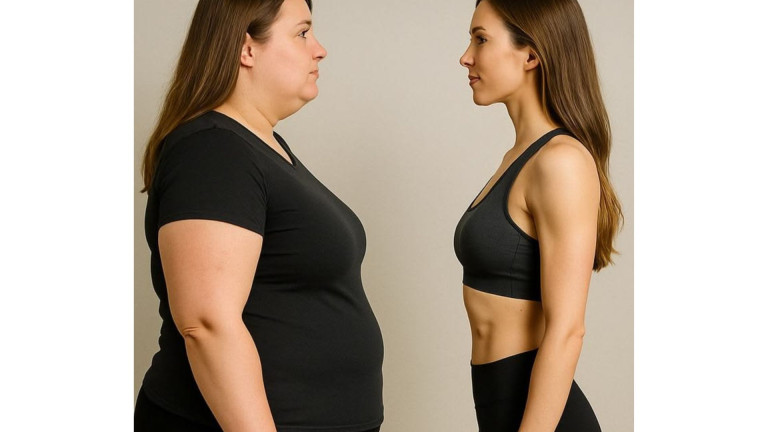
Whole-Body Fat Loss
If the fullness under your chin is linked to overall weight gain, losing weight gradually may reduce it. That means:
- A balanced diet (not crash dieting)
- Strength training to maintain muscle
- Some form of regular cardio
Fat comes off according to your genetics. You can't choose the order. But steady, sustainable weight loss tends to give the best results overall.
Neck and Postural Strength
Chin tucks, light neck resistance work, and upper-back strengthening won't 'burn' chin fat. But they can improve muscle tone and posture, which subtly sharpens your profile over time.
Think of it as improving the frame rather than chiselling the marble.
Skincare That Supports Firmness
No cream can replicate surgery. But certain ingredients can support skin quality:
- Retinoids (for collagen support)
- Vitamin C (for protection against environmental damage)
- Daily SPF (crucial, even in grey British weather)
Brands like No7, The INKEY List, and Medik8 offer accessible options available at Boots and Space NK.
Skincare won't dramatically lift loose skin—but it can improve texture and resilience.
Lifestyle Habits That Make a Difference
Sometimes what looks like a structural change is temporary.
- High salt or alcohol intake can cause puffiness
- Poor sleep and chronic stress can influence fluid balance
- Rapid weight loss can leave skin looking looser before it has time to adapt
If the fullness fluctuates from week to week, water retention may be contributing to it.

Medical Options in the UK
If you've tried lifestyle adjustments and still feel bothered, there are medical routes—but they depend entirely on what's causing the concern.
Always consult a qualified practitioner (GMC-registered, and ideally in a CQC-regulated clinic).
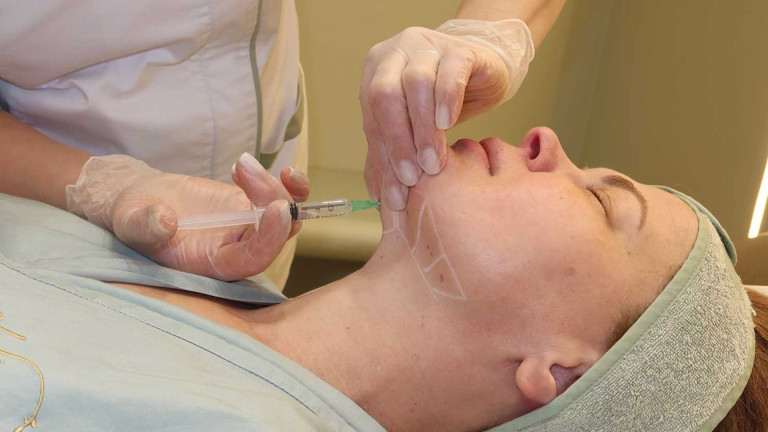
If It's Mainly Fat
Fat-dissolving injections (using deoxycholic acid) can reduce small pockets over several sessions. Swelling is common, and results take time.
Submental liposuction physically removes fat cells. It's more invasive but gives quicker, clearer reduction.
If It's Mainly Loose Skin
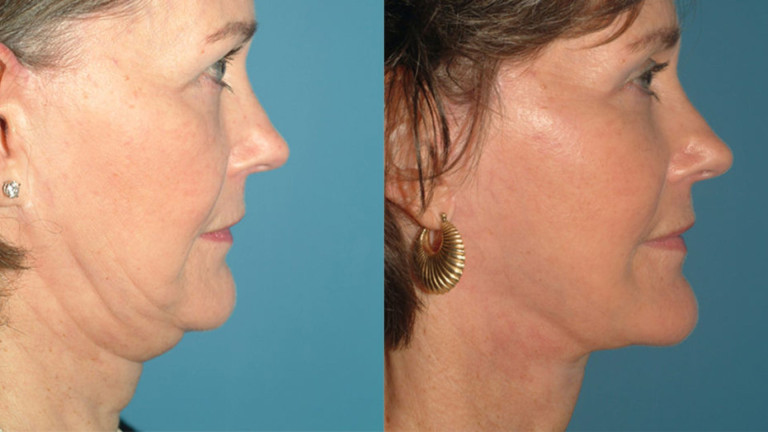
Radiofrequency and ultrasound treatments aim to stimulate collagen and gradually tighten mild laxity.
Thread lifts provide subtle repositioning and collagen stimulation.
For more significant laxity, a surgical neck lift offers the most dramatic change—but that's a serious decision with recovery time and cost to consider.
Often, clinics combine approaches if both fat and laxity are present.
When It's About More Than Skin
The jawline has become oddly symbolic. Social media sharpens it. Lighting edits it. Filters redefine it.
But a softer chin isn't a personal failing. It can reflect genetics, age, hormones, weight history, or simply the way your face is built.
If your concern is rooted in comparison rather than discomfort, it may be worth pausing. Cosmetic choices feel different when they come from clarity instead of pressure.
So, How Do You Tell?
In simple terms:
- Soft, thicker fullness often points to fat.
- Thinner, crepey skin suggests laxity.
- A mixture of both is common.
And why does it matter? Because the solution depends on the cause.
Lifestyle changes can improve overall tone. Skincare supports skin quality. Medical treatments address structure. But none of it requires urgency. The area beneath your chin changes gradually over the years—not overnight. Thoughtful decisions tend to age better than reactive ones.
If you're unsure, book a proper consultation and ask direct questions about whether fat, skin, or muscle support is driving what you see.
Your profile is part of your identity. It deserves informed choices—not panic, not pressure, and certainly not a five-minute fix.