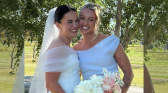
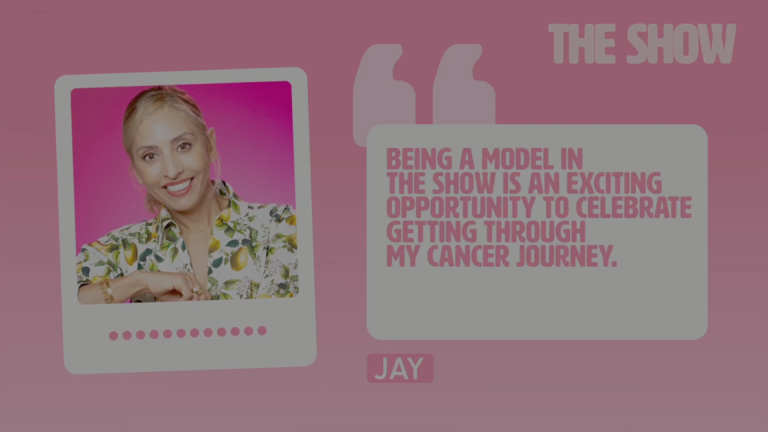
There are moments in life that feel like they arrive too suddenly to fully process, and for Jay, 53, that moment came on what was meant to be a family celebration. On the same day as her niece's wedding in 2021, she was told she had breast cancer. The contrast between the two events has stayed with her ever since.
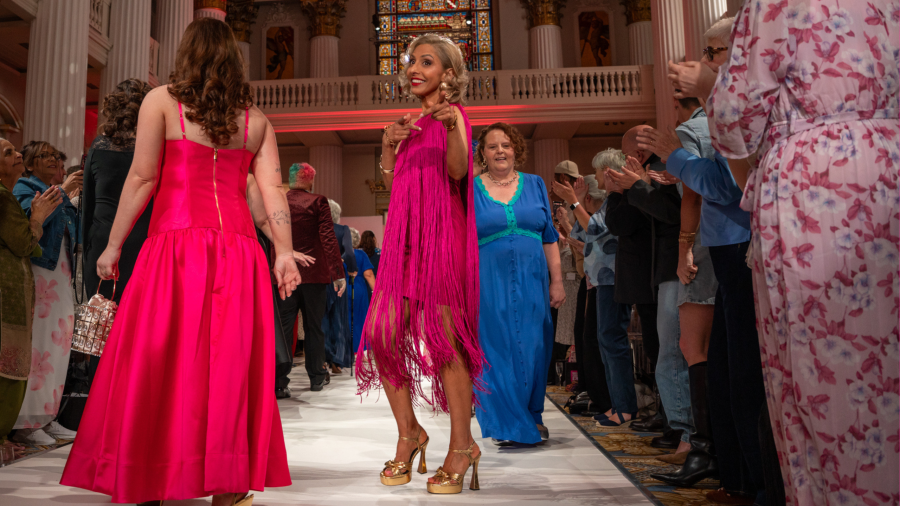
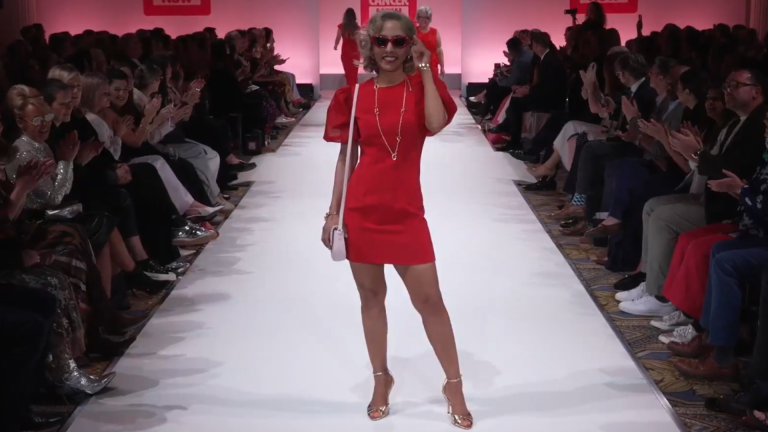
Years later, she found herself stepping onto a very different kind of stage—a charity fashion runway in London. Not as a model in the traditional sense, but as someone carrying a story she never expected to tell publicly in this way.
A Diagnosis That Changed Everything in a Single Afternoon
Jay had originally gone to the doctors after discovering a lump in her left breast. At first, she was reassured that it appeared to be benign. That sense of relief didn't last long. A biopsy later confirmed a tumour, and she was called back in for urgent treatment.
What followed was a consultation she still remembers clearly, even if parts of it feel blurred by shock.
'I just wasn't taking it in', she said. 'They told me I had cancer, and I remember thinking, what do you mean? My whole body just kind of went cold.'
She still attended her niece's wedding that same day, sitting through the emotions of both family celebration and personal crisis in parallel. Soon after, she underwent surgery, followed by chemotherapy and radiotherapy that stretched over months.
Looking back, she describes that period as something that doesn't really feel like one continuous memory, but more like fragments—appointments, waiting rooms, and moments where life felt temporarily paused.
At one point, she admits she genuinely believed she might not survive it.
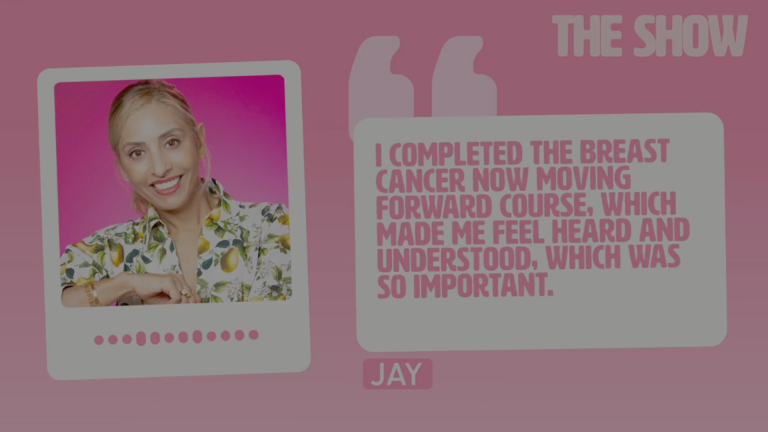
Finding Herself Again Through Fashion
Almost five years on, Jay's relationship with her body, her confidence, and even clothing itself has shifted in ways she didn't expect.
That is part of why stepping onto the runway for Breast Cancer Now's annual fashion show felt so meaningful. The event brings together people who have been affected by breast cancer to walk a catwalk, not just to showcase fashion, but to represent lived experience.
This year's show featured 24 participants and helped raise funds through support from Postcode Lottery players, contributing to a total of £16.6 million raised for the charity over time.
For Jay, though, the numbers weren't what stayed with her. It was the feeling of being there.
'I've never done anything like it', she said. 'It was emotional, but in a really good way. It felt like I was showing people I'm still here, I'm still me.'
Clothing as a Form of Identity, Not Just Appearance
Even during treatment, Jay didn't step away from dressing up. It might seem small in the wider context of chemotherapy and recovery, but she says it mattered more than people might assume.
Losing her hair and eyelashes was, in her words, one of the hardest parts of the process. But rather than stepping back from her sense of style, she held onto it in small, deliberate ways.
'I've always liked getting dressed properly', she said. 'That didn't change just because I was ill.'
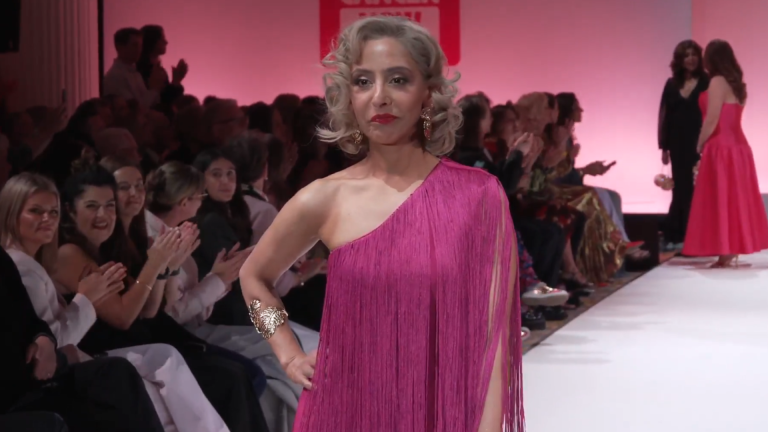
On the day of the fashion show, that same instinct came through again—not as something performative, but as something grounding. Clothes, for her, became less about appearance and more about continuity.
Life After Treatment Isn't a Straight Line
Recovery, Jay explains, hasn't been a simple return to how things were before. There are ongoing health challenges, including chronic pain and fatigue, and she has since been diagnosed with fibromyalgia.
But her outlook has shifted in a way that feels more complicated than simply 'positive thinking'. It is less about everything being okay and more about deciding how to keep moving anyway.
'I'm not the same person I was before', she said. 'You can't be. But I'm still here, and I still want to do things.'
That sense of forward motion has taken her into new experiences, from travel to personal milestones she once wasn't sure she would reach.
A Fashion Show That Means More Than Fashion
The Breast Cancer Now show isn't designed as a traditional runway. It is closer to a shared space — part awareness campaign, part celebration, part recognition of what people have been through.
Rachael Franklin, chief engagement officer at the charity, said the event exists to highlight the reality of living with and beyond breast cancer, while also raising vital support for services across the UK.
But for participants like Jay, the meaning sits in something simpler. It is about being seen as more than a diagnosis, and stepping into a space where survival is not hidden away, but acknowledged.
And in that moment on the runway, surrounded by others with their own stories, that recognition mattered just as much as anything on the stage.
How to Know If You Might Have Breast Cancer
Breast cancer can affect anyone, and early awareness makes a significant difference. Symptoms don't always mean cancer, but they should always be checked by a medical professional.
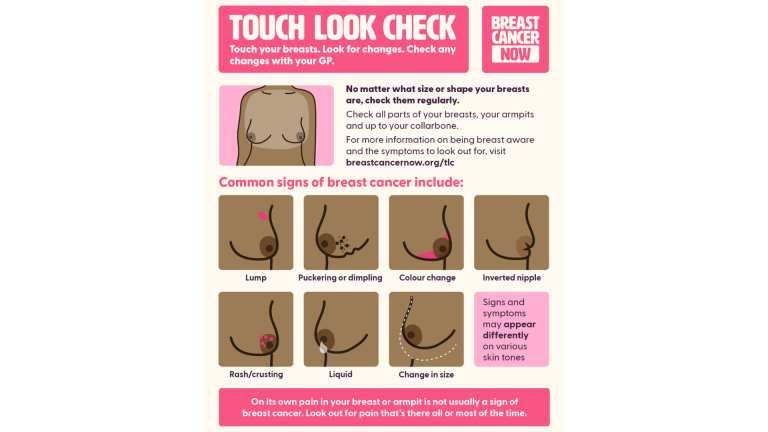
Common Signs To Look Out For:
- A new lump or thickening in the breast or underarm
- Changes in breast size or shape
- Skin changes such as dimpling, puckering, or redness
- Nipple changes, including inversion or unusual discharge
- Persistent pain in one part of the breast that doesn't go away
- Swelling around the collarbone or armpit area
What To Do If You Notice Changes:
If you spot anything unusual, it's important not to wait. Most breast changes are not cancer, but only a doctor can confirm this through examination and tests such as mammograms, ultrasounds, or biopsies.
When To Get Checked:
- As soon as you notice a new or unusual change
- Even if the change seems minor or painless
- If symptoms persist for more than a few weeks
Screening Reminder:
In the UK, routine breast screening is offered to women aged 50 to 71 (and is gradually expanding in some areas). Regular self-checking and attending screenings when invited can help detect changes early.
If you are ever unsure, seeking medical advice early is always the safest step.