

You're rushing out the door on a chilly morning — jeans, a cosy jumper, leather boots — you're all set. But then you stand in front of the mirror wondering: 'Is something missing?' You reach for a long, soft stole tucked in your wardrobe, which you might have picked up at a vintage market years ago. One effortless drape later, and suddenly your outfit feels complete.
That's the quiet magic of a stole. It's simple, versatile, and unexpectedly transformative. Now fast-forward to Paris and London runways, designers are taking that same everyday piece and turning it into something spectacular.
Vintage stoles aren't just accessories collecting dust anymore. They're being revived as centrepieces in modern fashion shows, bridging heritage and innovation in ways that captivate designers and fashion lovers.
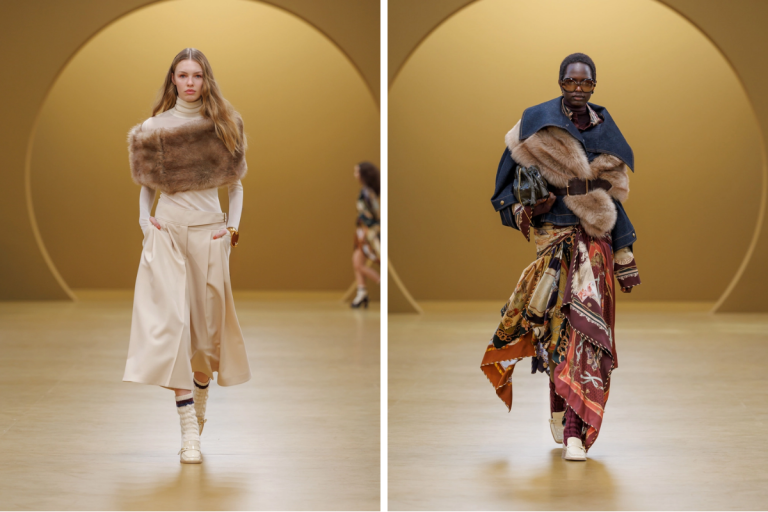
Stole: The Accessory That Completes Outfits
Think of a stole as your favourite scarf's elegant, grown-up sibling. It's a long, rectangular cloth that drapes over the shoulders–traditionally made from silk, wool, cashmere, or similar fabrics. It's wider than a scarf, and sleeker than a shawl.
Where a scarf hugs your neck, a stole sweeps gracefully over your shoulders. It adds texture, colour, and a finishing touch that feels intentional.
A stole might seem simple, but that simplicity is part of its enduring appeal. It's not bulky, it's not complicated to style, and it sits comfortably between casual and refined.
Historically, a good stole was a marker of elegance, which is something you'd wear with a smart coat, a polished dress, or to add warmth with subtle style. Today, that same accessory is enjoying a renaissance, not just in wardrobes but on global runways.
Historical Significance and Classic Elegance
Vintage stoles carry stories. Centuries ago, long cloth wraps indicated status, culture, or regional dress. In the early and mid-20th century, stoles were a staple of refined style, especially luxurious ones made from fur or silk. Hollywood stars paired them with gowns, aristocrats wore them at evening functions, and European boutiques prized them for their craftsmanship.
These pieces were more than just accessories. They were expressions of identity, class, and artistry. In some countries, intricately hand-woven wraps told tales through colour and pattern. In others, they were passed down through generations, holding memories long after their fabrics softened.
Today, that history isn't forgotten. It's being celebrated and repurposed. Designers are digging into vintage archives, finding inspiration, and giving stoles new life. The result? Fashion that feels familiar yet fresh, rooted in tradition but unafraid to innovate.
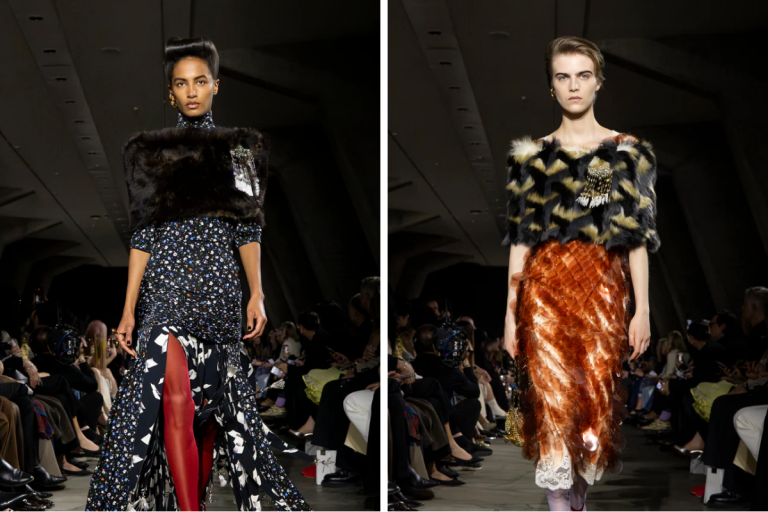
How Designers Are Reinventing Them
So how does a vintage stole end up on a runway beside sculptural jackets, architectural dresses, or futuristic boots? It comes down to re-imagination.
Designers aren't mindlessly recycling old pieces. They're transforming them. That might mean altering the length, updating the edges, or combining different fabrics. Sometimes it's about contrasting the old with the new. Maybe pairing a 1940s silk piece with tech-inspired tailoring, or spotlighting hand-woven wool against minimalist silhouettes.
The trend we're seeing is more about recontextualising heritage for contemporary taste. It's fashion with a story. A vintage stole suggests character and depth, while a modern cut or embellishment keeps it relevant and runway-worthy.
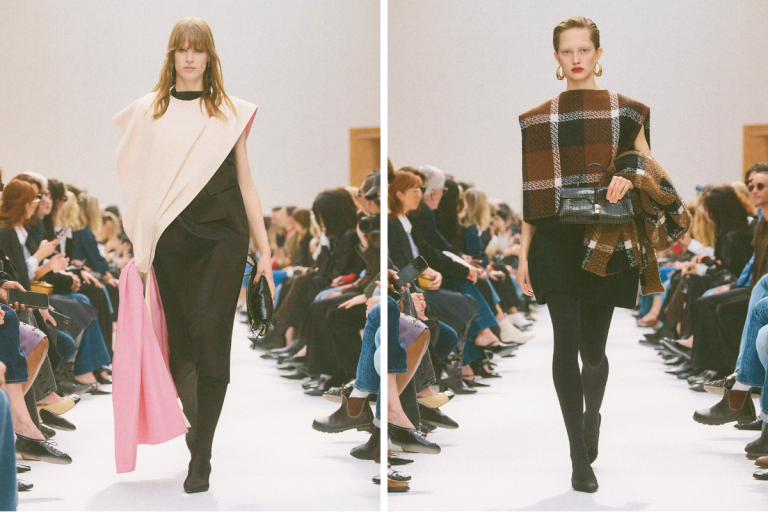
Runway shows across fashion capitals have featured stoles:
- Draped boldly around structured evening wear
- Transformed into unexpected shapes
- Layered over streetwear ensembles for high-low contrast
This playful reinterpretation lets designers explore texture and form in ways that are both progressive and respectful of the accessory's roots.
Modern Materials With Vintage Inspiration
One of the most exciting developments in this trend is how designers blend new materials with old-world inspiration.
Gone are the days when stoles were limited to cashmere and silk. Now, you'll find:
- Hand-loomed fabrics paired with contemporary synthetics
- Bold prints inspired by vintage patterns
- Unexpected colours like neon alongside classic neutrals
- Other lightweight yet warm fibres, like wool and mesh
What makes this interesting is that modern crafting techniques can mimic traditional textures without the environmental or ethical concerns of past eras. Designers are honouring the spirit of stoles while exploring sustainability and innovation. Imagine a stole that combines wool from responsible sources with breathable mesh panels, or an embroidered silk piece treated to be water-resistant.
How to Layer With Stoles
Now comes the tricky part—how to wear them day to day.
Vintage and vintage-inspired stoles are no longer reserved for formal events. Here's how you can wear them today:
1. Casual Cool
Layer a modern-cut lightweight wool or cotton stole over:
- A tee and boyfriend jeans
- A chunky knit and trainers
- A simple dress and ankle boots
2. Smart Casual
Pair a silk or patterned stole with:
- A blazer and tailored trousers
- A turtleneck and a midi skirt
- A leather jacket for edge
3. Evening and Formal
Opt for richer fabrics like velvet, satin blends, or even fur. Drape over shoulders as a shrug substitute, or pair with a minimalist dress to let your accessory shine.
4. Seasonal Layering
Stoles transition beautifully between seasons. In autumn and winter, use them as extra cosy layers. In spring or cooler summer evenings, choose light fabrics with soft colours to elevate outfits without weight.
The Trend of 'Old Meets New'
What we're witnessing in fashion today is a broader cultural moment where old meets new in purposeful, meaningful ways.
Vintage and archival fashion isn't just about nostalgia or romanticising the past. It's about sustainability, individuality, and storytelling. Each piece carries history, and designers are now treating these qualities as creative fuel rather than just references. Stoles, with their graceful lines, luxurious textures, and historical resonance, are ideally positioned to thrive within this movement to offer versatility and timeless elegance that bridges generations.
Modern reinterpretations reveal a collective desire for clothing that feels intentional and expressive. Take, for instance, a 1950s silk stole reimagined with an oversized drape and paired with tailored trousers, or a vintage cashmere wrap cut into a modern, asymmetrical silhouette for layering over casual wear. These adaptations honour the integrity of the original piece while giving it a fresher version.
Beyond aesthetics, this fusion of old and new also responds to practical concerns. Fashion consumers today increasingly value sustainability. They now opt for pieces that can be worn across multiple seasons or passed down without losing relevance.
As designers continue to explore the intersection of heritage and innovation, stoles stand as a shining example of how classic pieces can be reinvented without losing their soul. They prove that fashion doesn't need to choose between tradition and trend because the right reinterpretation can be timeless and contemporary at once.