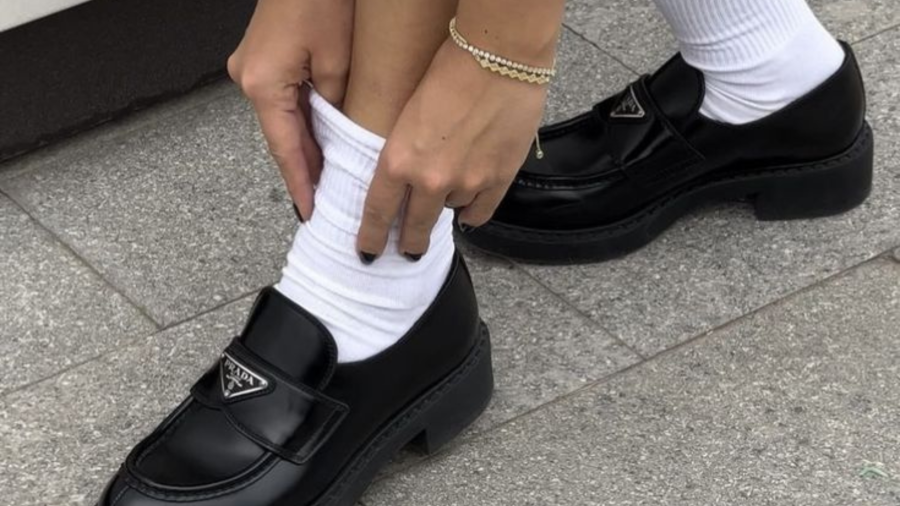
London has always had a distinctive relationship with footwear. In a city where people walk everywhere — from navigating the Underground to crossing busy streets in Soho or commuting through the City — shoes need to work hard. They must balance comfort, durability, and style, often all at once.
Because of this, footwear plays an unusually important role in London fashion. While clothing trends come and go, shoes often become the defining element of an outfit, helping people express personality while still remaining practical for city life.
For years, minimalist trainers dominated casual wardrobes across the UK. They were versatile, comfortable, and easy to pair with everything from tailored trousers to relaxed denim. Yet many fashion-conscious Londoners have long experimented with alternatives that feel slightly more elevated.
Instead of relying solely on basic sneakers, many women across the capital rotate between stylish flats, polished loafers, and fashion-forward trainers that add texture or structure to everyday outfits.
These choices aren't just about trends. They reflect a deeper principle within London style: footwear should combine practicality with individuality. Understanding how and why these shoes work can help anyone build a wardrobe that feels both timeless and modern.
Below, we explore the styles Londoners often turn to when they want something more interesting than standard trainers — along with the history and practical thinking behind the city's footwear choices.
The Evolution of Footwear in London Fashion
To understand why Londoners experiment so much with shoes, it helps to look at the city's fashion history.
London has long been a centre for cultural movements that influence global style. From the Mod scene of the 1960s to the punk movement of the late 1970s, footwear has often played a central role in defining how people dress.
Chelsea boots, for example, became a defining part of British style during the Mod era, worn by musicians and creatives across the capital. Later, the punk movement introduced heavier boots and more rebellious footwear, challenging traditional fashion norms.
During the 1990s and early 2000s, trainers began to dominate casual fashion as streetwear culture grew. Sneakers became everyday essentials for commuters and students alike.
But London fashion rarely stays confined to one aesthetic. Over time, the city's style has evolved into a mix of classic tailoring, streetwear influence, and creative experimentation. Footwear reflects that balance. While trainers remain a staple, many Londoners enjoy rotating between styles that bring a slightly different energy to their outfits.
Satin Trainers: A Subtle Upgrade to Everyday Sneakers
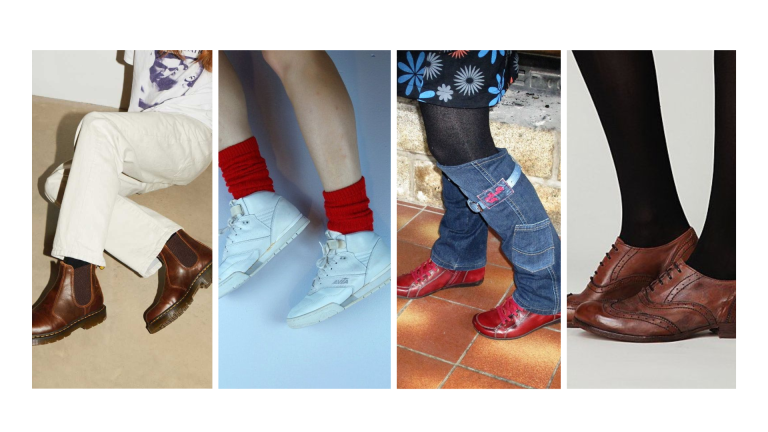
One alternative to basic trainers that has attracted attention in fashion circles is the satin trainer.
These shoes maintain the familiar shape and comfort of a traditional sneaker while introducing softer fabrics, such as satin or silk-inspired finishes. The result is footwear that feels relaxed yet noticeably more refined.
Fashion editors sometimes describe this hybrid look as part of the 'sneakerina' aesthetic, which blends athletic silhouettes with delicate materials traditionally associated with ballet flats.
This contrast makes satin trainers particularly appealing. They retain the comfort of casual footwear while introducing texture and visual interest.
How to Style Satin Trainers
Because satin naturally catches light, these trainers tend to stand out more than canvas or leather sneakers.
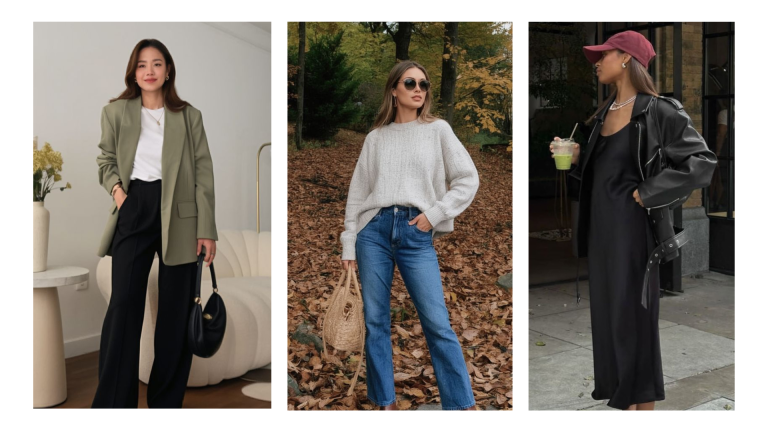
To balance the look, many stylists recommend pairing them with simple, structured clothing such as:
- Tailored trousers and blazers
- Straight-leg jeans and knitwear
- Minimal slip dresses with long coats
The fabric's softness adds subtle elegance without making the outfit feel overly formal.
Sculptural Flats: Comfortable Shoes with Personality
Another footwear category that fits naturally into London style is the sculptural flat.
Unlike traditional ballet flats, sculptural designs feature distinctive shapes, unusual soles, or architectural details that make them stand out.
Examples may include square toes, curved heels, or minimalist designs that emphasise structure. These shoes appeal particularly to people who prefer simple clothing but still want one element of their outfit to feel visually interesting.
Why Sculptural Flats Work for City Living
For many Londoners, heels are impractical for daily commuting. Sculptural flats offer a comfortable alternative while still making outfits feel thoughtful and polished.
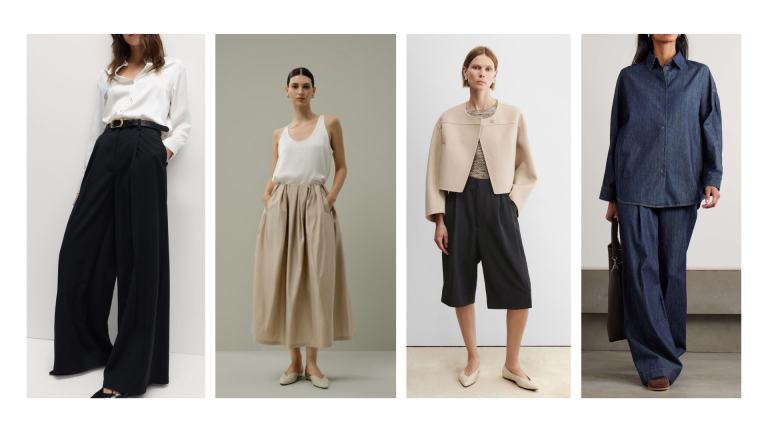
They also work well with many wardrobe staples, including:
- Wide-leg trousers
- Midi skirts
- Cropped tailoring
- Relaxed denim
The key is contrast: pairing a statement shoe with otherwise understated clothing.
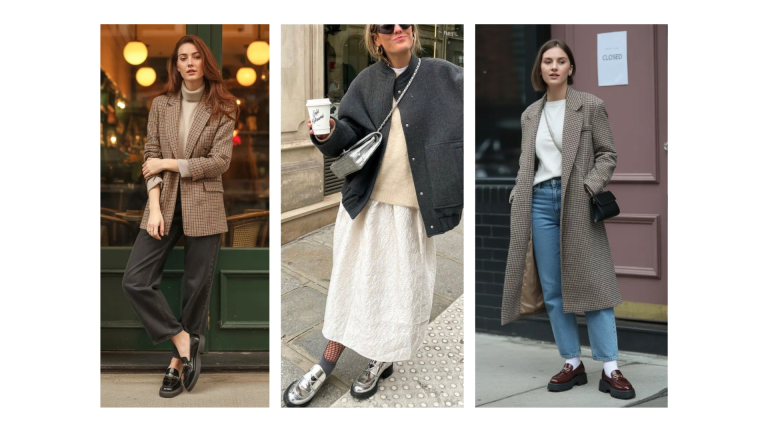
Sleek Loafers: The Polished Everyday Classic
Few shoes strike the balance between comfort and professionalism quite like a good pair of loafers.
Originally inspired by men's footwear, loafers have been part of women's wardrobes for decades and remain a reliable alternative to trainers.
Modern versions often feature polished leather, clean lines, and minimal hardware, giving them a refined yet versatile appearance.
Why Loafers Remain a London Favourite
Loafers are particularly well-suited to city life because they easily transition between settings.
They work equally well with:
- Office tailoring
- Relaxed weekend outfits
- Transitional weather layering
In many ways, loafers reflect the broader philosophy of London dressing: understated but intentional.
Timeless Shoe Styles Londoners Always Return To
While new styles continue to emerge, several types of footwear have remained popular in London for decades.
These classic options provide the foundation for many wardrobes.
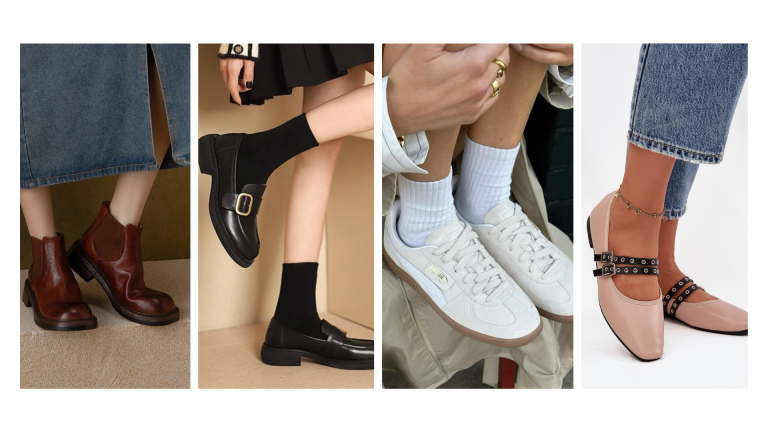
Chelsea boots are a British icon known for their sleek shape and versatility across seasons.
Leather loafers Simple, structured, and appropriate for both professional and casual settings.
Minimal trainers and neutral sneakers remain one of the most practical choices for everyday wear.
Ballet flats. Elegant and lightweight, ballet flats have been worn across Europe for generations.
These timeless designs help explain why new footwear trends often feel like modern updates of classic silhouettes rather than entirely new ideas.
How London's Climate Influences Shoe Choices
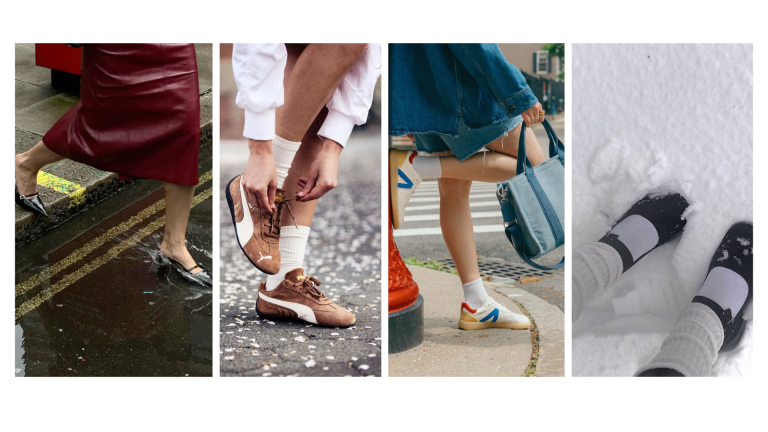
Practicality plays a major role in the footwear Londoners choose.
The city's weather is famously unpredictable, with rain appearing unexpectedly throughout the year. As a result, many people prioritise materials that can withstand damp conditions. Leather shoes, rubber soles, and supportive construction are often preferred because they hold up well during frequent walking.
London's walkable layout also influences footwear habits. Many people cover several kilometres each day moving between Tube stations, offices, restaurants, and neighbourhoods. This combination of long walking distances and unpredictable weather explains why shoes that balance comfort and style tend to become long-term favourites.
How to Choose Versatile Shoes for Everyday Life
Selecting the right shoes for city living involves more than simply following fashion trends. Stylists often recommend focusing on three practical factors:
Comfort - Shoes designed with cushioned soles and supportive construction are far more suitable for long days on foot.
Versatility - Neutral colours and classic silhouettes tend to pair well with a wide range of outfits.
Durability - Materials such as leather or suede typically age better than cheaper alternatives.
Shoes that combine these qualities often become reliable wardrobe staples rather than temporary purchases.
How to Care for Your Shoes So They Last
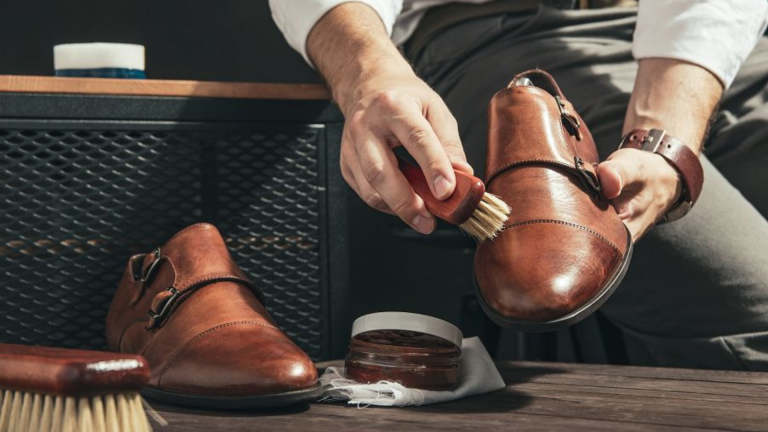
Well-made shoes can last for years if properly maintained.
Professional cobblers and stylists recommend a few simple steps to keep footwear in good condition.
- Use shoe trees - Wooden shoe trees help leather shoes maintain their shape and prevent creasing.
- Protect against rain - Waterproof sprays can reduce damage from moisture.
- Rotate your footwear - Wearing the same pair daily causes faster wear. Rotating shoes allows them to dry and recover between uses.
- Clean regularly - Removing dirt and dust prevents long-term material damage.
Taking care of shoes not only extends their lifespan but also helps them continue looking polished.
Why the Right Shoes Can Transform an Outfit
One of the simplest styling secrets is that shoes often determine how polished an outfit appears. Even a simple combination of jeans and a coat can look elevated when paired with well-chosen footwear.
For this reason, many Londoners think of shoes as the finishing touch that ties an entire look together. While basic trainers remain useful, exploring alternatives — whether satin trainers, sculptural flats or classic loafers — can add personality and depth to everyday dressing.
In a city known for creativity and individuality, the right pair of shoes doesn't just complement an outfit.
Often, it defines it.