Fashion is often described as cyclical, and nowhere is that more evident than in vintage style. Rather than disappearing completely, many trends simply fade for a time before returning in new forms. Pieces that once defined a particular decade can suddenly feel fresh again when styled differently.
Vintage clothing plays a key role in this cycle. Garments from earlier eras often reappear not only because of nostalgia, but also because of their craftsmanship, distinctive silhouettes, and ability to add individuality to modern outfits.
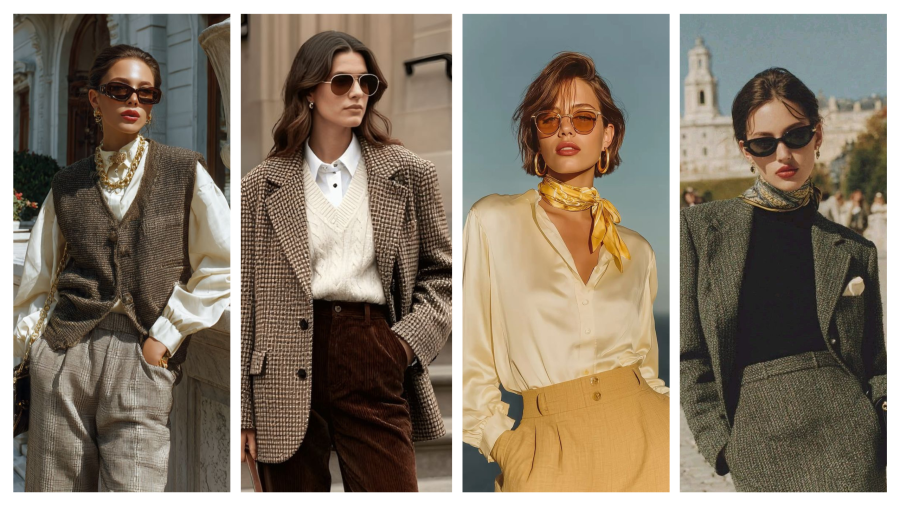
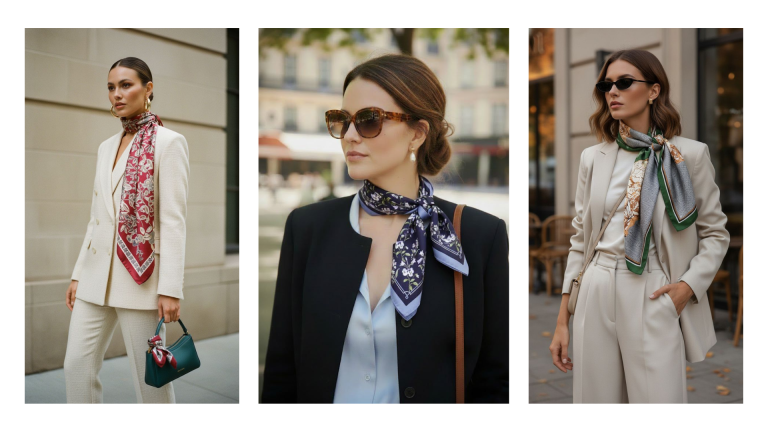
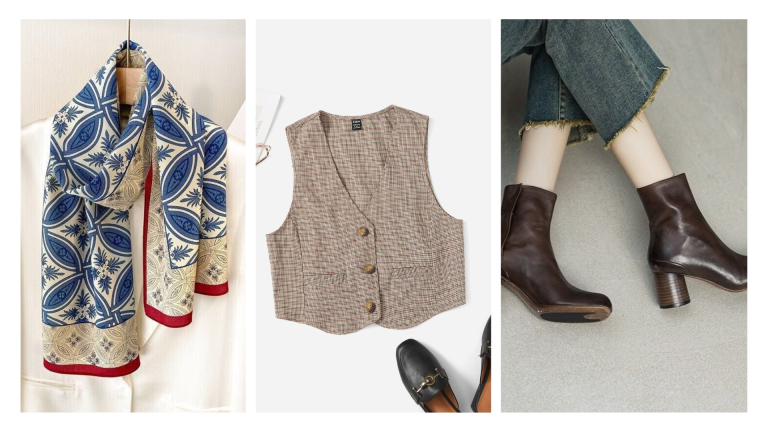
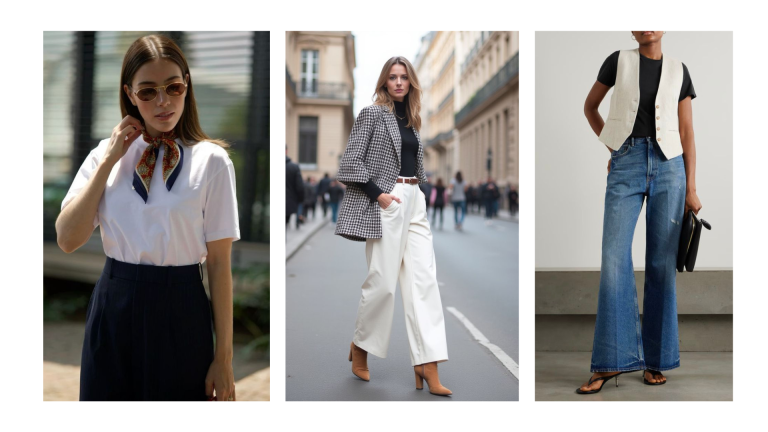
A silk scarf tied neatly at the neck, a tailored waistcoat layered over casual pieces, or sleek ankle boots paired with structured trousers all show how older designs can blend effortlessly with contemporary wardrobes.
Part of the appeal lies in the stories these garments carry. Whether discovered at a market, passed down through family, or sourced from a specialist boutique, vintage pieces often feel more personal than newly manufactured clothing. Sustainability is another reason vintage continues to resonate. Extending the life of existing garments reduces waste and encourages a more thoughtful approach to fashion.
While trends come and go, certain vintage staples repeatedly return because of their versatility and enduring design. Here are five examples of pieces that have stood the test of time, along with simple ways to wear them today.
Why Vintage Fashion Continues to Influence Modern Style
Fashion has always drawn inspiration from the past. Designers regularly revisit earlier decades to reinterpret silhouettes, fabrics, and accessories for contemporary audiences.
One reason vintage fashion remains relevant is the natural cycle of trends. Historians often note that styles tend to reappear every twenty to thirty years, when a new generation begins rediscovering clothing associated with earlier eras.
However, when these styles return, they rarely appear exactly as they once did. Modern fabrics, updated cuts, and new styling techniques usually transform them into something slightly different.
Another reason vintage fashion continues to thrive is the increasing popularity of second-hand shopping. Online resale platforms, charity shops, and vintage boutiques have made it easier than ever to discover clothing from previous decades.
Beyond aesthetics, many people also appreciate the environmental benefits of extending garment lifespans. Instead of discarding older clothing, vintage shopping keeps these pieces in circulation while reducing the demand for newly produced items.
A Brief History of Vintage Fashion Culture
Vintage fashion has existed for far longer than many people realise. Before the rise of fast fashion, clothing was often repaired, altered, and reused rather than discarded.
During the mid-twentieth century, second-hand clothing began to develop cultural significance. Youth movements in the 1960s and 1970s embraced vintage garments as a form of creative self-expression, mixing older pieces with contemporary styles to challenge traditional fashion norms.
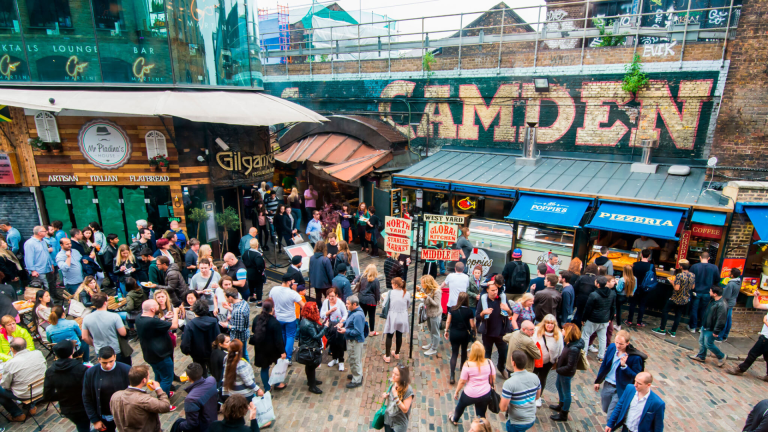
By the 1990s and early 2000s, vintage boutiques and flea markets had become popular destinations for shoppers searching for distinctive clothing. Denim jackets, tailored blazers, and printed silk scarves from earlier decades were particularly sought after.
Today, vintage fashion continues to appeal to those who value originality and craftsmanship. Many older garments were constructed with durable fabrics and careful tailoring, qualities that allow them to remain wearable long after their initial production.
Key Fashion Eras That Continue to Influence Vintage Style
Understanding vintage fashion often means recognising the eras that shaped it. Several periods in fashion history continue to influence the garments people seek out today.
1920s–1930s: Known for elegant tailoring and delicate fabrics, this era saw the introduction of bias-cut dresses, silk scarves, and refined accessories.
1950s: Structured silhouettes, cinched waists, and polished footwear defined post-war fashion, creating many of the classic shapes still referenced today.
1970s: Relaxed tailoring, statement belts, and expressive accessories became popular during this decade, reflecting a more individual approach to style.
1980s: Bold tailoring, oversized blazers, and power dressing emerged as defining features that continue to inspire modern wardrobes.
1990s: Minimalism and clean silhouettes gained prominence, bringing sleek ankle boots, simple tailoring, and understated elegance.
Recognising these eras helps vintage shoppers understand how certain garments evolved and why they continue to reappear in contemporary fashion.
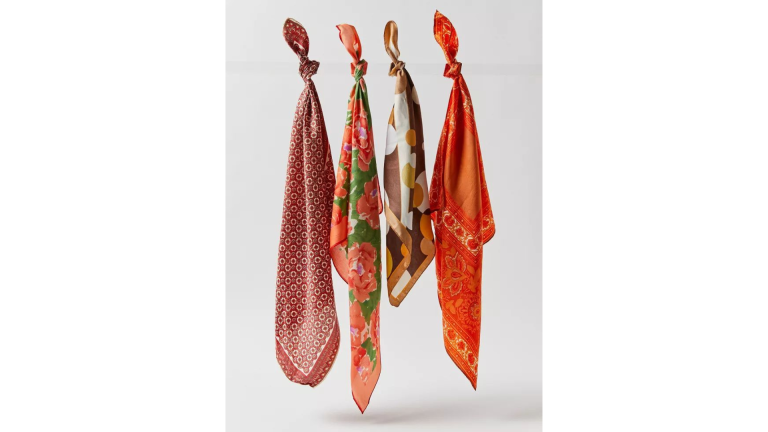
Silk Scarves: A Versatile Classic
Silk scarves have long been associated with elegance and versatility. Throughout the twentieth century, they appeared in wardrobes across Europe and beyond, worn by film stars, travellers, and everyday fashion enthusiasts alike.
What makes silk scarves particularly enduring is their adaptability. The same accessory can be styled in numerous ways, allowing it to complement both formal and casual outfits.
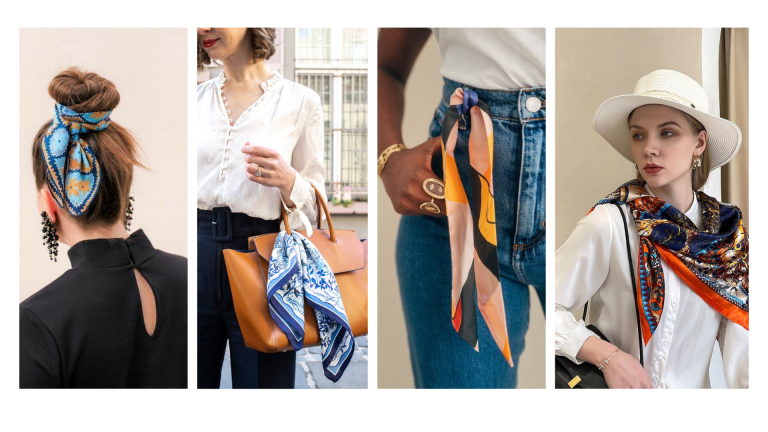
A patterned scarf tied loosely around the neck can add colour to a neutral ensemble. When worn as a headband or wrapped around a ponytail, it introduces a subtle vintage touch. Some people also use silk scarves as decorative accents on handbags.
Because scarves require minimal sizing considerations, they are also one of the easiest vintage items to incorporate into a wardrobe. Many older scarves remain in excellent condition due to the durability of silk fabric.
Tailored Waistcoats: Structure Meets Casual Style
The waistcoat originally formed part of the traditional three-piece suit, designed to provide structure and polish to formal attire. Over time, however, the garment has evolved beyond its strictly formal origins.
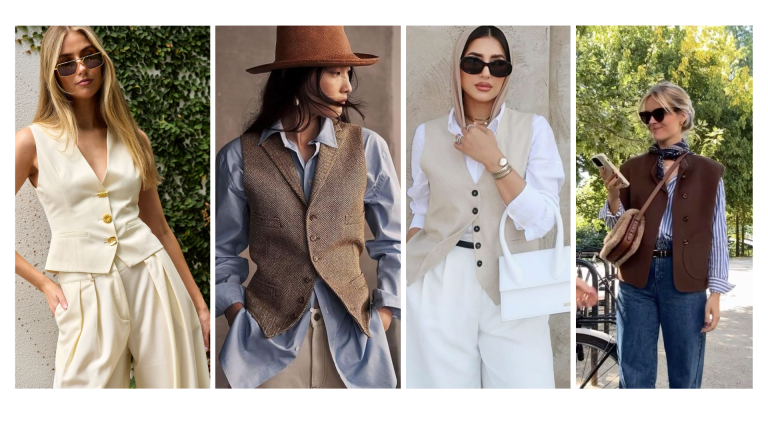
Vintage waistcoats often feature precise tailoring and sturdy fabrics, making them well-suited for layering. In contemporary styling, they frequently appear over simple shirts or lightweight knitwear, adding shape to otherwise relaxed outfits.
The appeal of the waistcoat lies in its ability to balance refinement with versatility. Even when paired with casual clothing such as denim or soft cotton trousers, it adds a touch of structure without feeling overly formal.
Neutral tones such as navy, grey, and cream tend to work best for everyday wear, allowing the waistcoat to blend seamlessly with modern wardrobe staples.
Slim Ankle Boots: Understated Elegance
Footwear styles often shift dramatically over the decades, yet certain silhouettes maintain consistent appeal. Slim ankle boots are one such example.
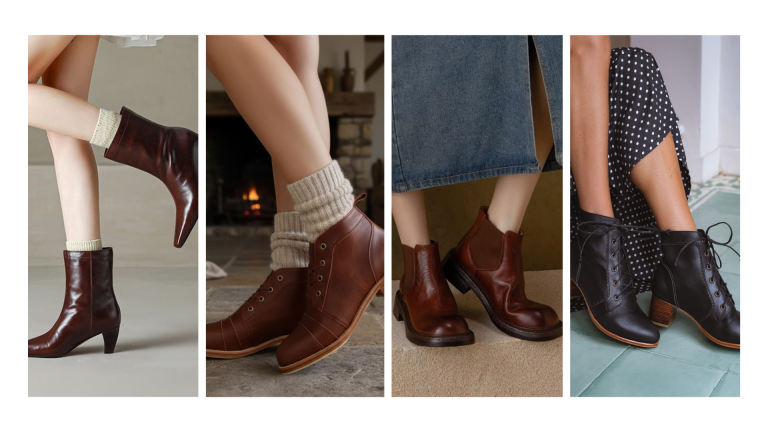
Characterised by clean lines, narrow shafts, and subtle heels, these boots offer a refined alternative to bulkier footwear. Their streamlined shape pairs well with a wide range of garments, including tailored trousers, midi skirts, and structured coats.
Historically, sleek ankle boots have appeared in multiple fashion eras, particularly during periods when minimalist design was favoured. Their simplicity allows them to complement outfits without overpowering the overall look.
When choosing vintage boots, quality leather and careful construction are key indicators of durability. With proper care, well-made footwear can remain wearable for many years.
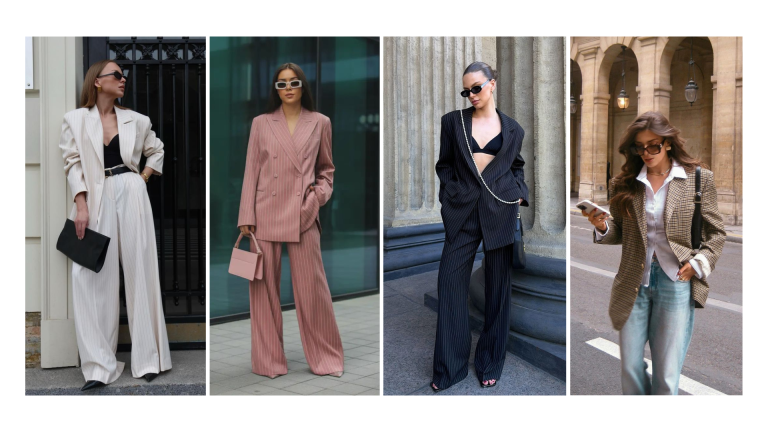
Oversized Blazers: A Modern Interpretation of Power Dressing
Blazers have long represented authority and sophistication within fashion. During certain periods, particularly the late twentieth century, oversized silhouettes with broader shoulders became widely associated with professional dressing.
In contemporary wardrobes, oversized blazers continue to appear, though often styled in more relaxed ways. Rather than being confined to office attire, they are frequently layered over dresses, paired with denim, or worn casually with trainers.
This versatility explains why vintage blazers remain popular in second-hand markets. Many older designs feature strong tailoring and durable fabrics, making them easy to incorporate into modern outfits.
Balancing the proportions of an oversized blazer with slimmer trousers or a simple dress can help maintain a polished appearance.
Statement Belts: Small Detail, Big Impact
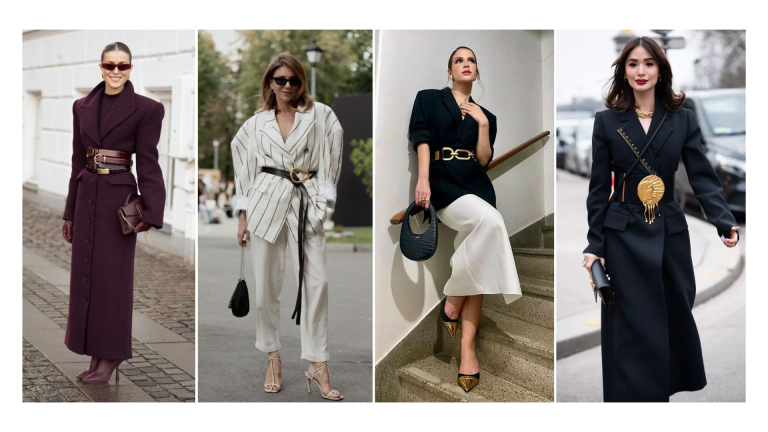
Accessories often have the power to transform an outfit with minimal effort. Statement belts, particularly those featuring distinctive buckles or textured leather, have served this purpose for decades.
Historically, belts were used both for practicality and decoration. In some eras, they defined the waist of flowing dresses, while in others, they provided contrast against tailored garments.
Vintage belts remain popular because they introduce character without requiring an entirely new outfit. A single belt can reshape a silhouette, highlight the waist, or add visual interest to otherwise simple clothing.
When incorporating a statement belt, moderation usually produces the most balanced result. Allowing one accessory to stand out keeps the overall look refined.
How to Identify Quality Vintage Pieces
Shopping for vintage clothing can be rewarding, but understanding how to evaluate garments helps ensure long-term value.
Fabric is often the first indicator of quality. Natural fibres such as wool, cotton, silk, and linen tend to age better than synthetic materials.
Construction is equally important. Strong seams, durable buttons, and fully lined interiors often signal careful manufacturing.
Labels can provide useful information. Older garments may include details about the country of origin, fabric composition, or manufacturer.
Finally, the condition should always be assessed carefully. Minor repairs, such as replacing buttons, are usually manageable, but extensive fabric damage may reduce a garment's longevity.
How to Identify Authentic Vintage Clothing
Authentic vintage pieces often have details that distinguish them from modern reproductions.
One of the most reliable indicators is the label. Older garments frequently include labels that reflect historic branding styles or manufacturing locations that may no longer exist.
Fabric composition can also provide clues. Many vintage garments were made from natural fibres such as wool, silk, and cotton rather than synthetic blends.
Construction details such as metal zips, hand-finished seams, and structured lining are also common in older clothing.
While some modern brands produce vintage-inspired designs, these small details often help collectors and casual shoppers recognise genuine vintage garments.
Why Vintage Fashion Supports Sustainable Style
Environmental awareness has become an important factor in how many people approach clothing.
The global fashion industry generates substantial textile waste each year, with millions of garments discarded after relatively short periods of use. Vintage clothing offers an alternative by extending the lifespan of existing items.
Buying second-hand also encourages a slower approach to fashion. Rather than purchasing multiple inexpensive garments each season, shoppers often invest in fewer pieces that demonstrate better quality and durability.
This shift towards thoughtful consumption has contributed to the enduring appeal of vintage fashion.
How to Care for Vintage Clothing
Properly caring for vintage garments helps preserve their quality for years to come.
Many older fabrics benefit from gentle washing or hand cleaning, particularly delicate materials such as silk or wool. In some cases, professional dry cleaning may be the safest option.
Storage also plays an important role. Garments should ideally be kept in cool, dry spaces away from direct sunlight, which can weaken fibres and fade colours over time.
Using padded hangers for structured pieces like blazers or coats helps maintain their shape, while delicate items such as scarves can be folded and stored carefully.
With proper care, vintage clothing can remain wearable for decades, allowing these garments to continue their journey across generations.
Timeless Principles for Wearing Vintage Clothing
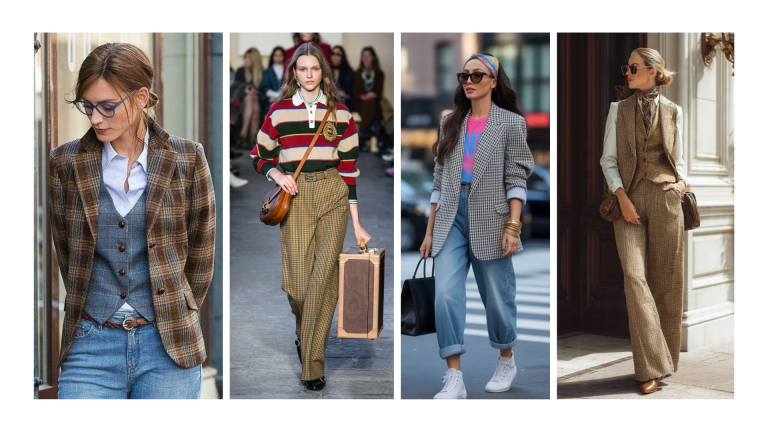
Incorporating vintage pieces into a modern wardrobe works best when approached with balance. One common guideline is to combine one vintage item with contemporary basics. A silk scarf worn with a plain shirt, or a vintage blazer paired with modern denim, creates contrast without feeling costume-like.
Fit is another important factor. Tailoring can transform an older garment, helping it sit comfortably within a modern silhouette. Finally, focusing on high-quality fabrics and simple styling often helps vintage pieces feel naturally integrated rather than overly nostalgic.
Why Vintage Fashion Endures
Fashion may evolve constantly, yet certain designs remain relevant because they balance form, function, and creativity.
Silk scarves, tailored waistcoats, sleek ankle boots, oversized blazers, and statement belts have all appeared in wardrobes across different generations. Their continued presence reflects the enduring appeal of thoughtful design.
Rather than belonging to a single decade, these pieces demonstrate how fashion builds upon its own history. Each era interprets them slightly differently, ensuring they remain adaptable to changing tastes.
For many people, this blend of past and present is precisely what makes vintage fashion so compelling. A well-chosen piece carries both craftsmanship and character, allowing it to move effortlessly from one generation to the next.